T
e
c
h
n
o
l
o
g
y
a
n
d
I
n
f
r
a
s
t
r
u
c
t
u
r
e
Systems That Support a City at Sea
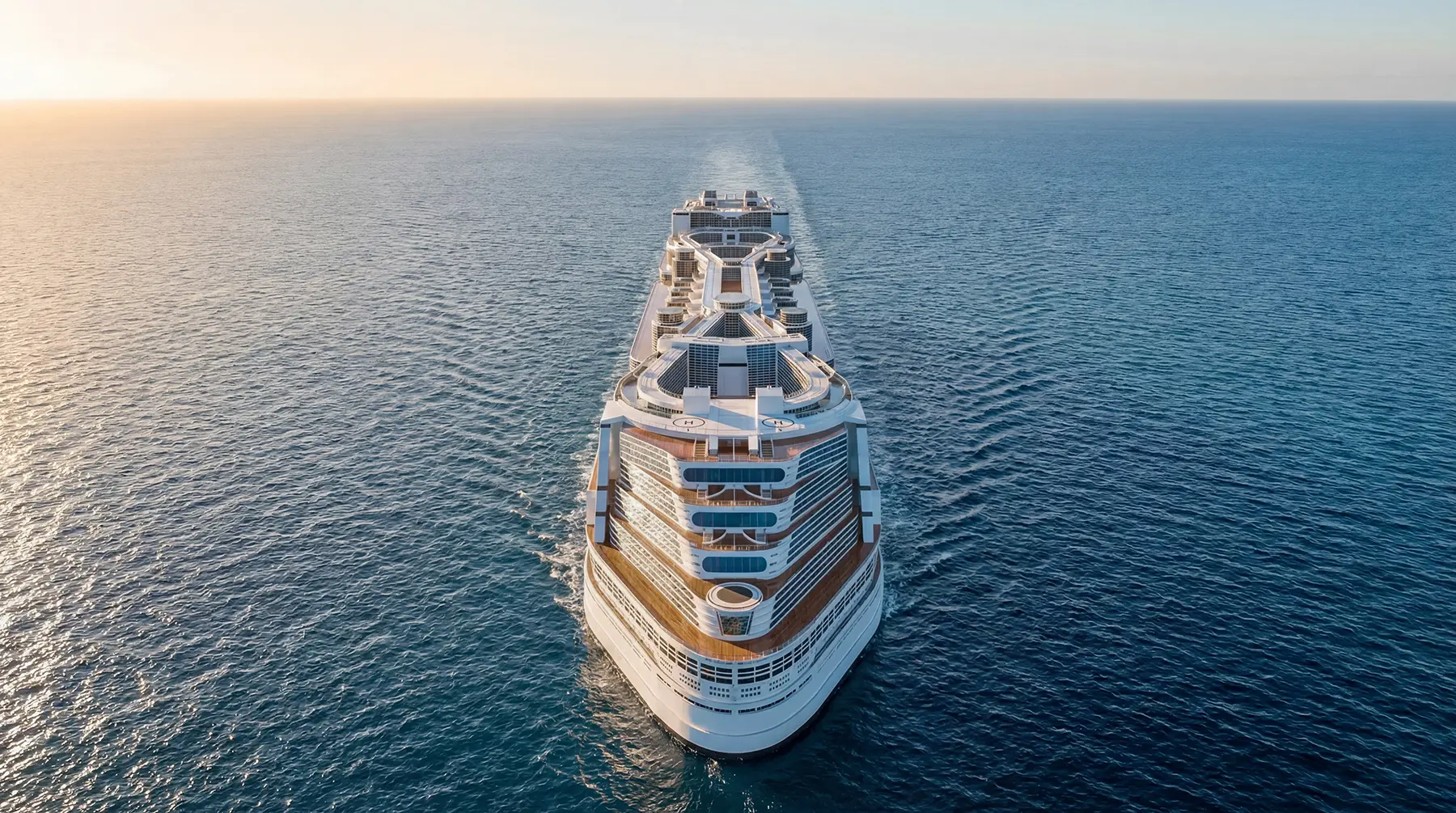
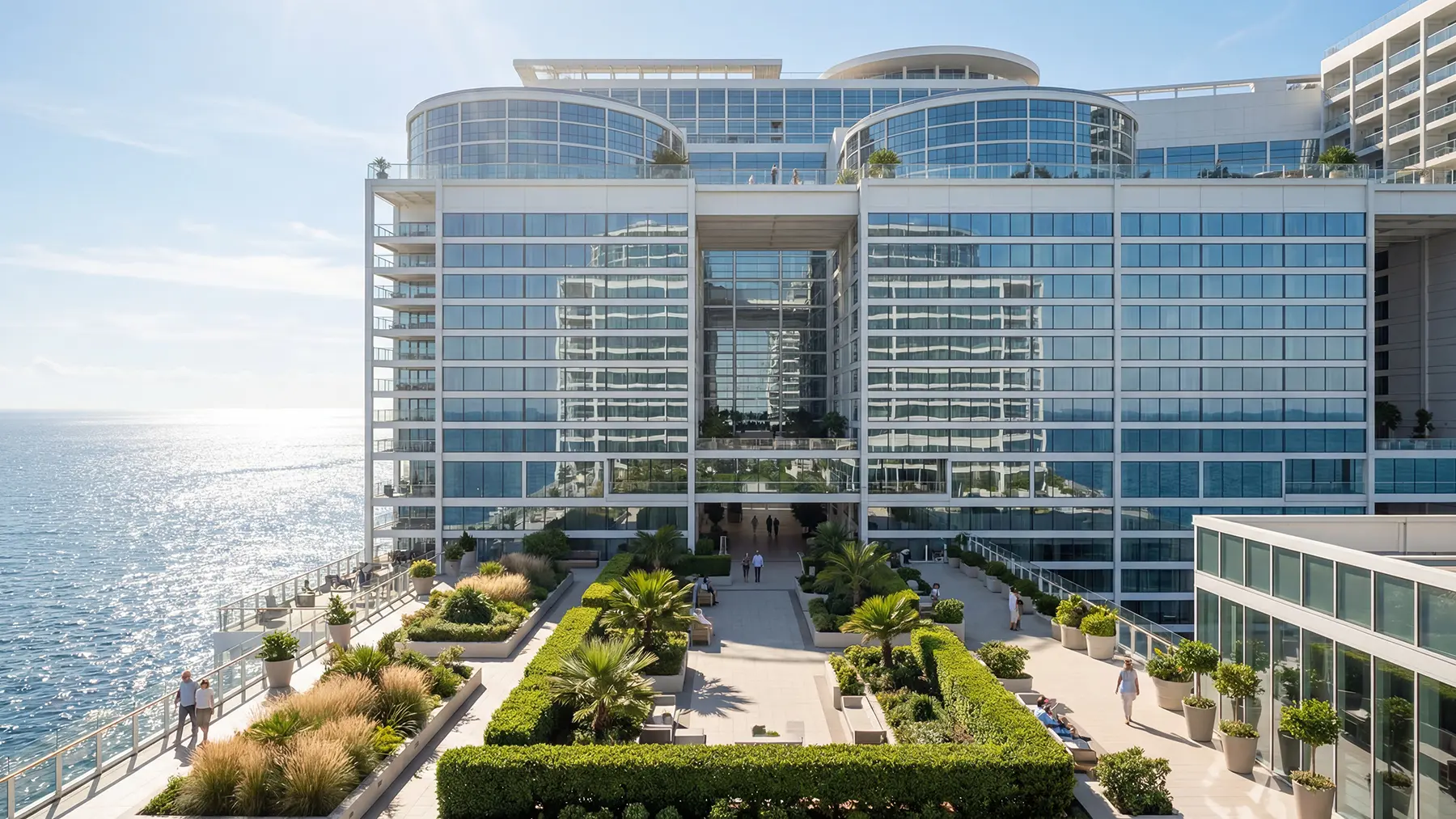
The Freedom Ship is conceived as a city-scale system rather than a single vessel. Its technology and infrastructure are designed to support continuous daily life over long periods of time, integrating the functions typically found in land-based cities within a permanently mobile maritime environment.
Core infrastructure systems—including energy, water, waste management, communications, and transportation—are planned as interconnected urban networks rather than standalone shipboard systems. The emphasis is on resilience, redundancy, and long-term reliability, recognizing that the Freedom Ship must operate continuously while moving through diverse geographic and environmental conditions.
Energy systems are envisioned to support both residential and commercial activity at scale, while water and waste systems are designed to function as closed or semi-closed loops where possible, reducing reliance on external resources. Digital infrastructure plays a central role as well, enabling communication, coordination, commerce, and access to services across the city.
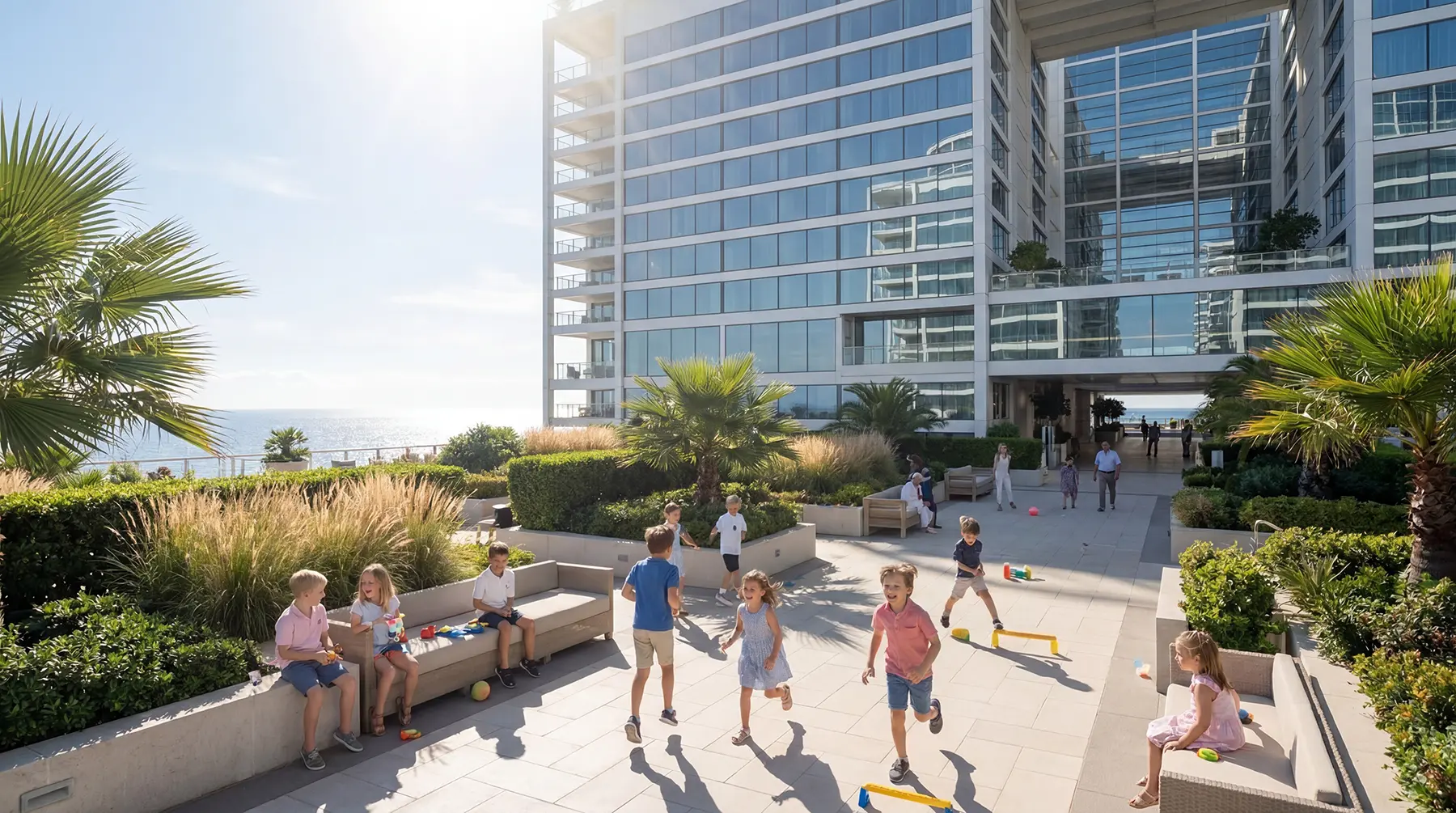
Transportation within the Freedom Ship is approached from an urban perspective. Pedestrian circulation, shared mobility, and internal transit are prioritized to support everyday movement across neighborhoods, workplaces, and public spaces, ensuring accessibility and efficiency within a large, dense environment.
Technology onboard is not treated as a novelty or feature set, but as enabling infrastructure—largely invisible in daily life yet essential to the city’s operation. The goal is not technological spectacle, but systems that quietly support safety, comfort, and continuity over time.
As with all aspects of the Freedom Ship, technology and infrastructure are approached with a long-term view. The project is structured to evolve, allowing systems to be updated, improved, and adapted as technologies advance, while maintaining the stability required for permanent urban life at sea.