S
u
s
t
a
i
n
a
b
i
l
i
t
y
a
n
d
R
e
s
i
l
i
e
n
c
e
Designed to Endure Over Time
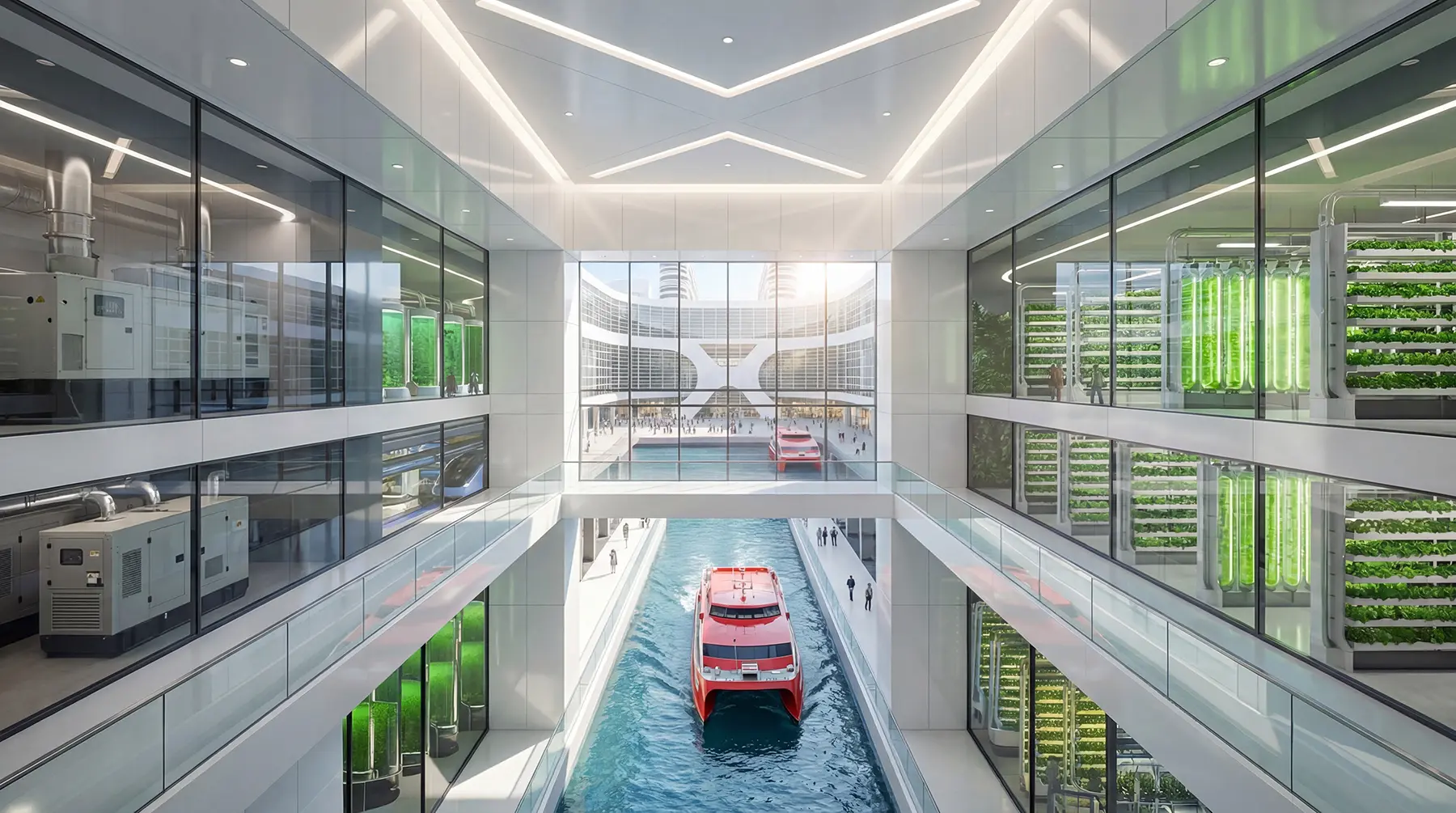
Sustainability aboard the Freedom Ship is approached as a matter of long-term responsibility rather than performance or branding. The goal is not to optimize for ideals, but to design systems that allow a city to function reliably, efficiently, and continuously over decades.
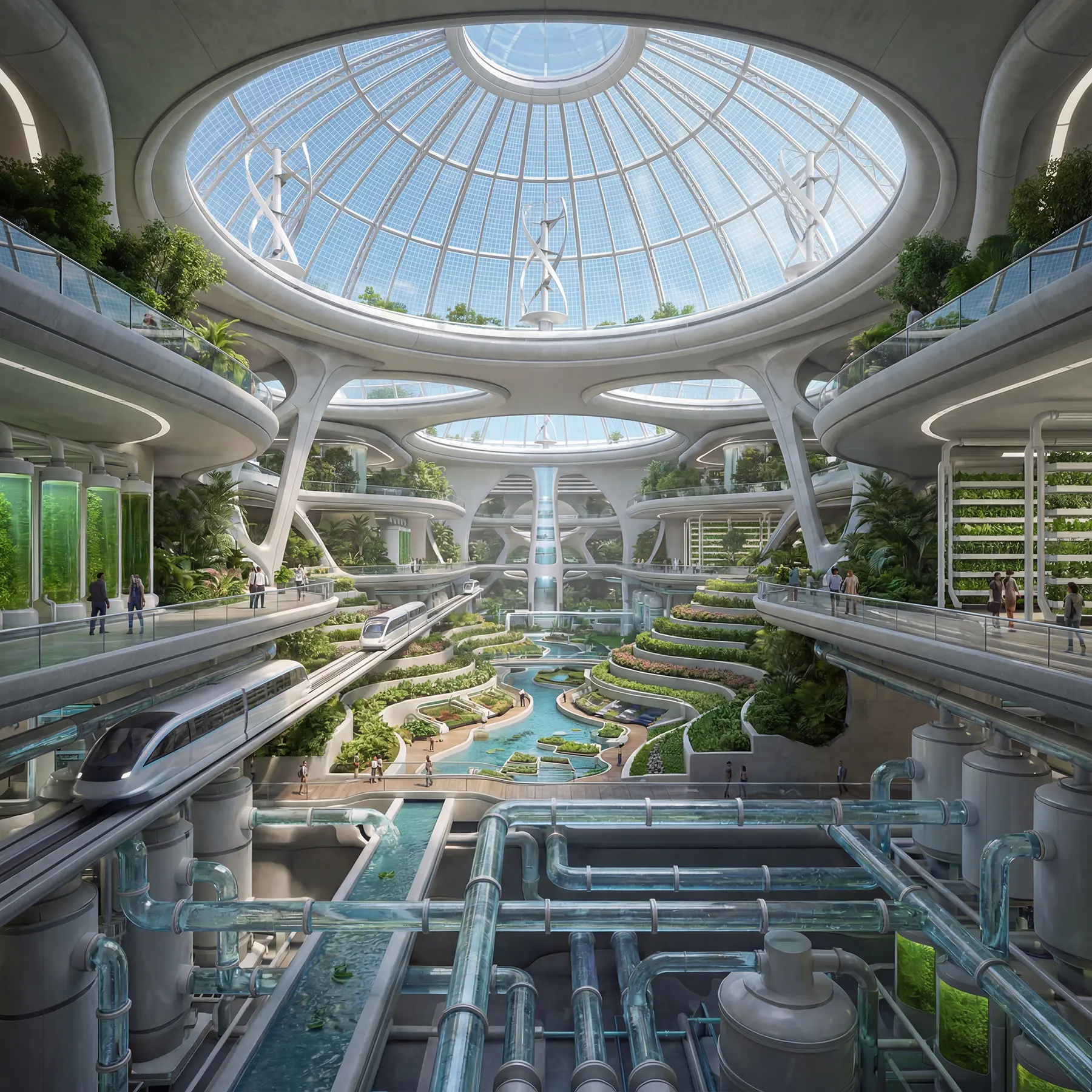
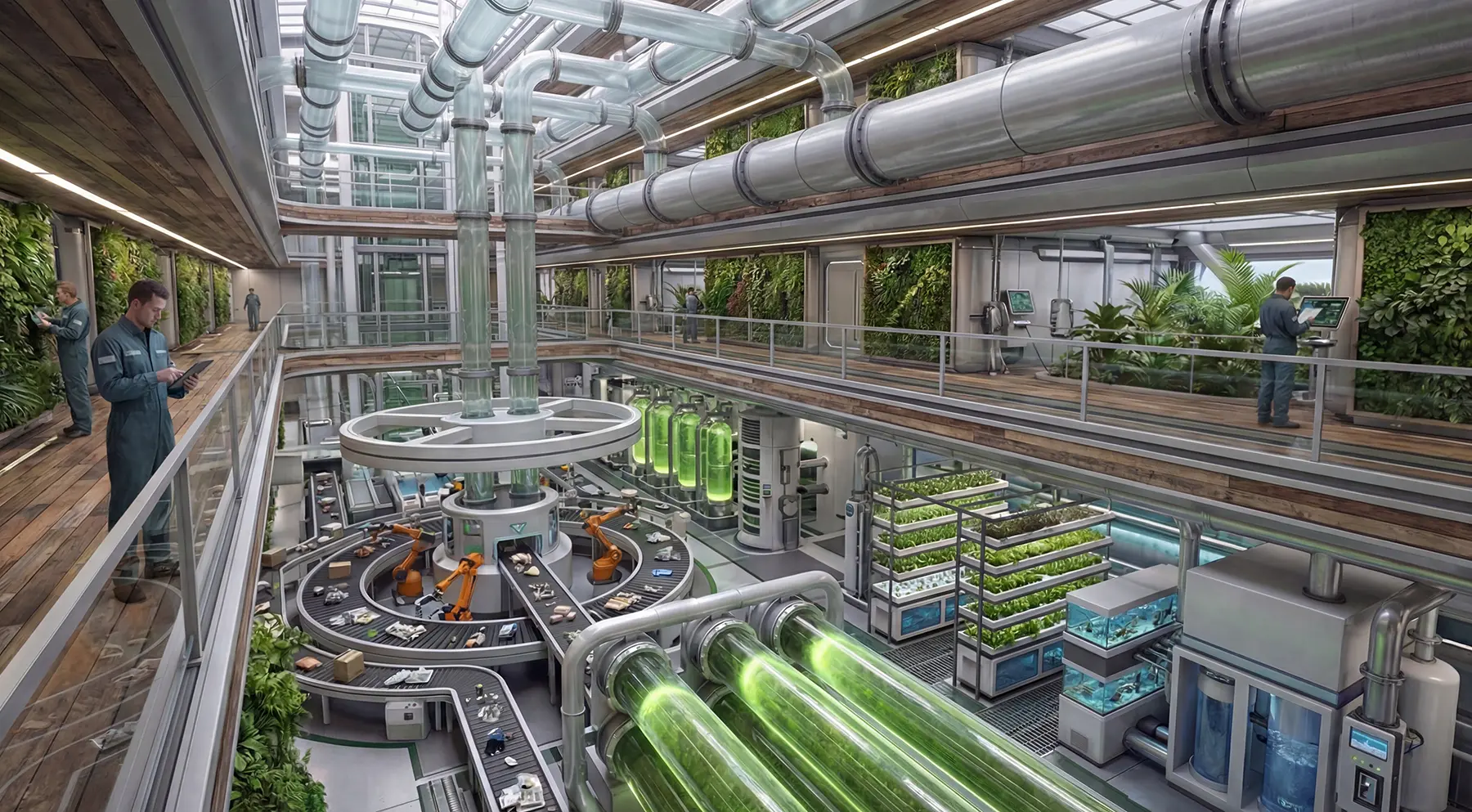
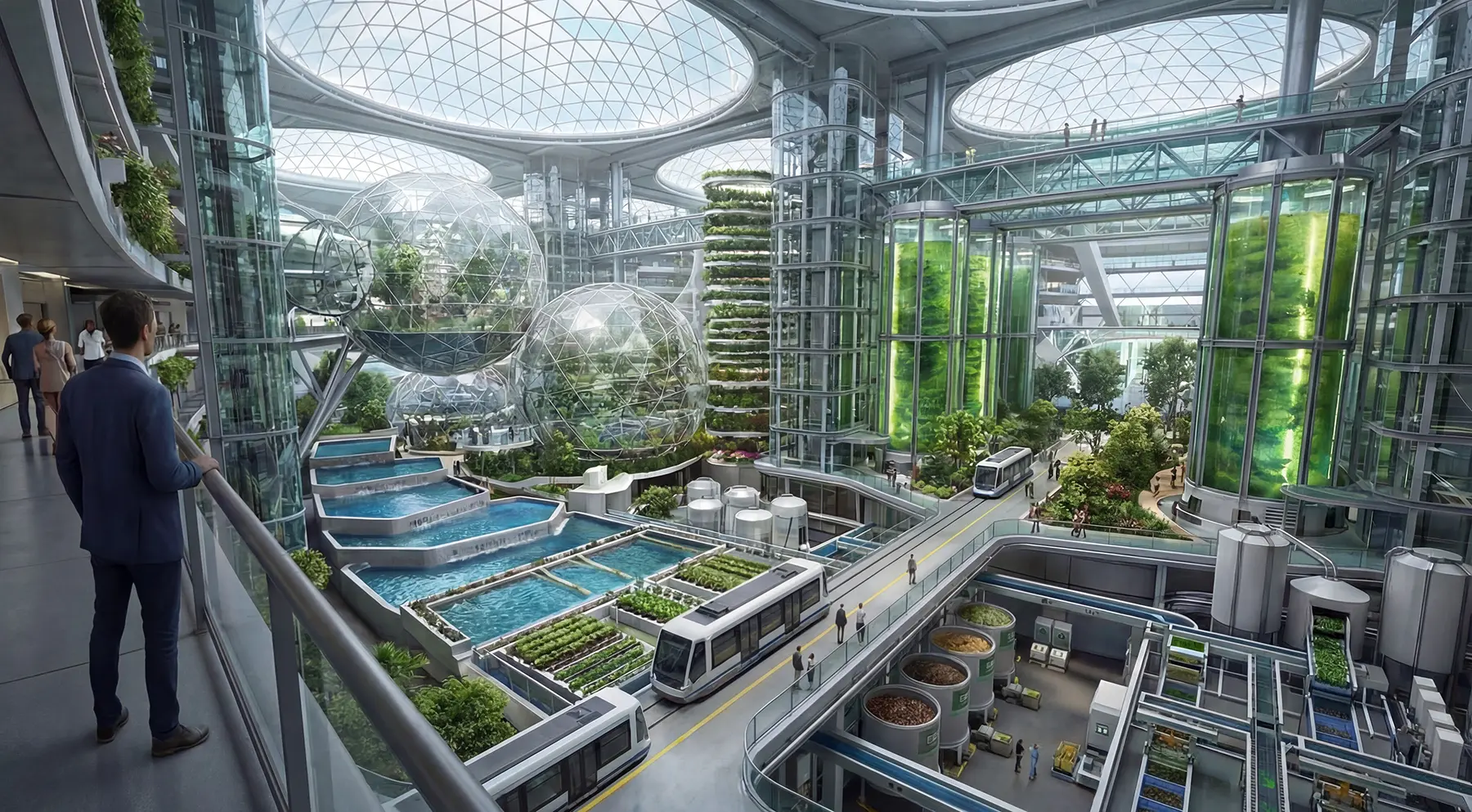
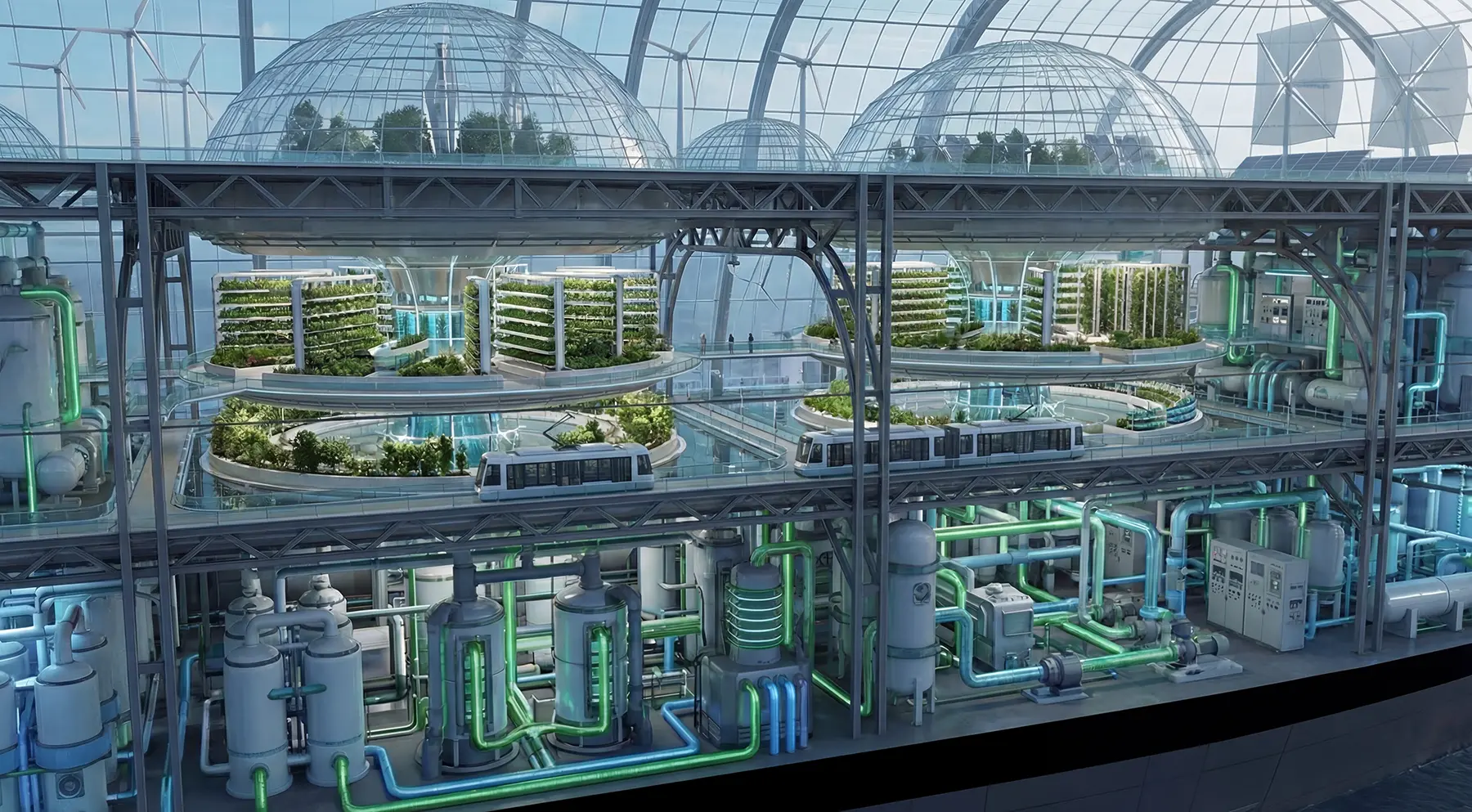
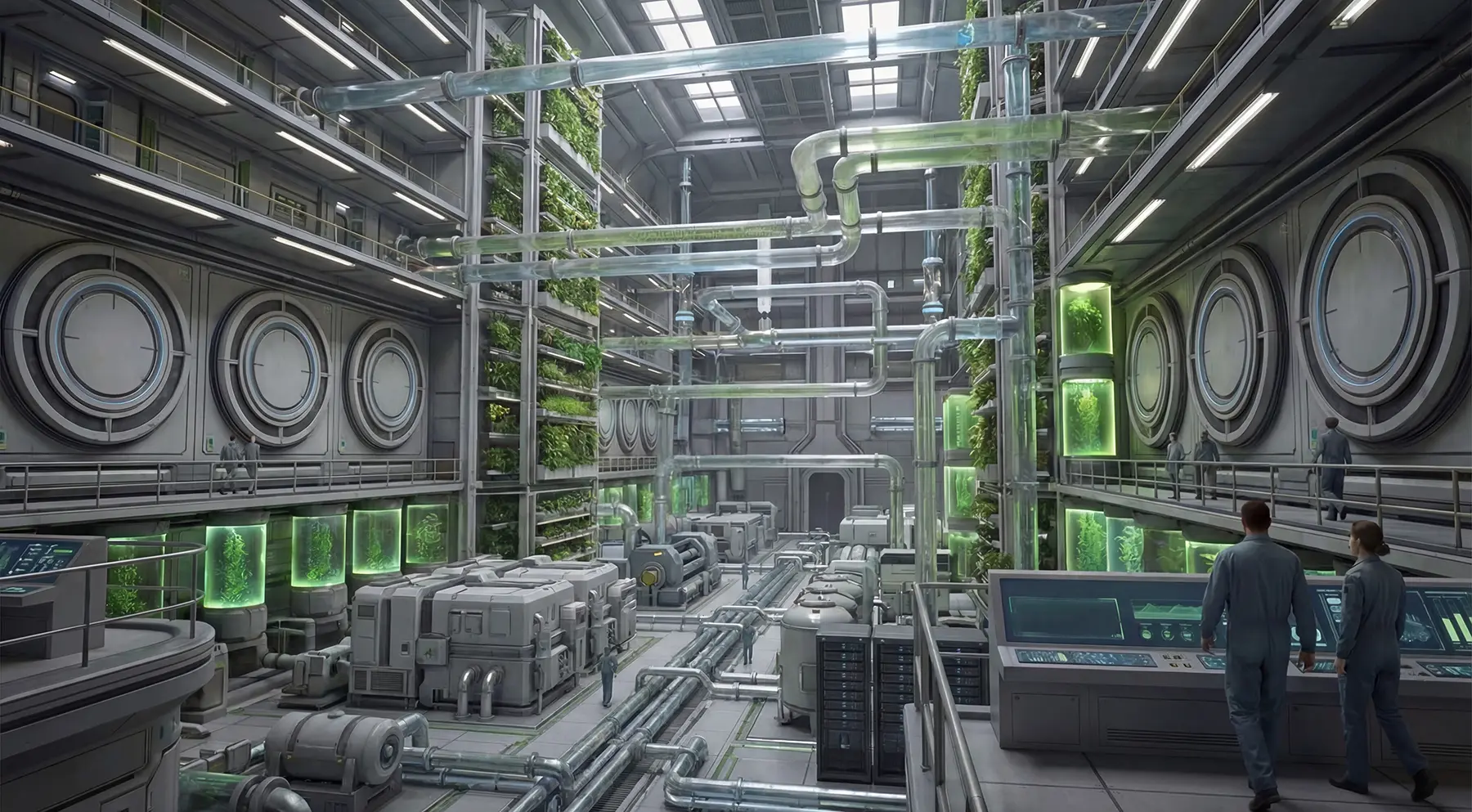
Core resource systems—including energy, water, food, and waste—are planned at city scale. These systems are integrated, redundant, and designed to reduce dependency on constant external input while maintaining reliability and safety. Sustainability, in this context, is about operational continuity as much as environmental impact.
Freedom Ship's city scale allows for additional supplemental systems outside the rang of today's cruise ships. While Freedom Ship will incorporate existing systems within current maritime practices, it also looks to expand upon sustainable and renewable solutions geared to a zero waste goal. Some of these technologies are presented herein and actively pursue hybrid programs of efficiency and natural methodology. Multiple other directions are currently being explored including emerging energy sources.
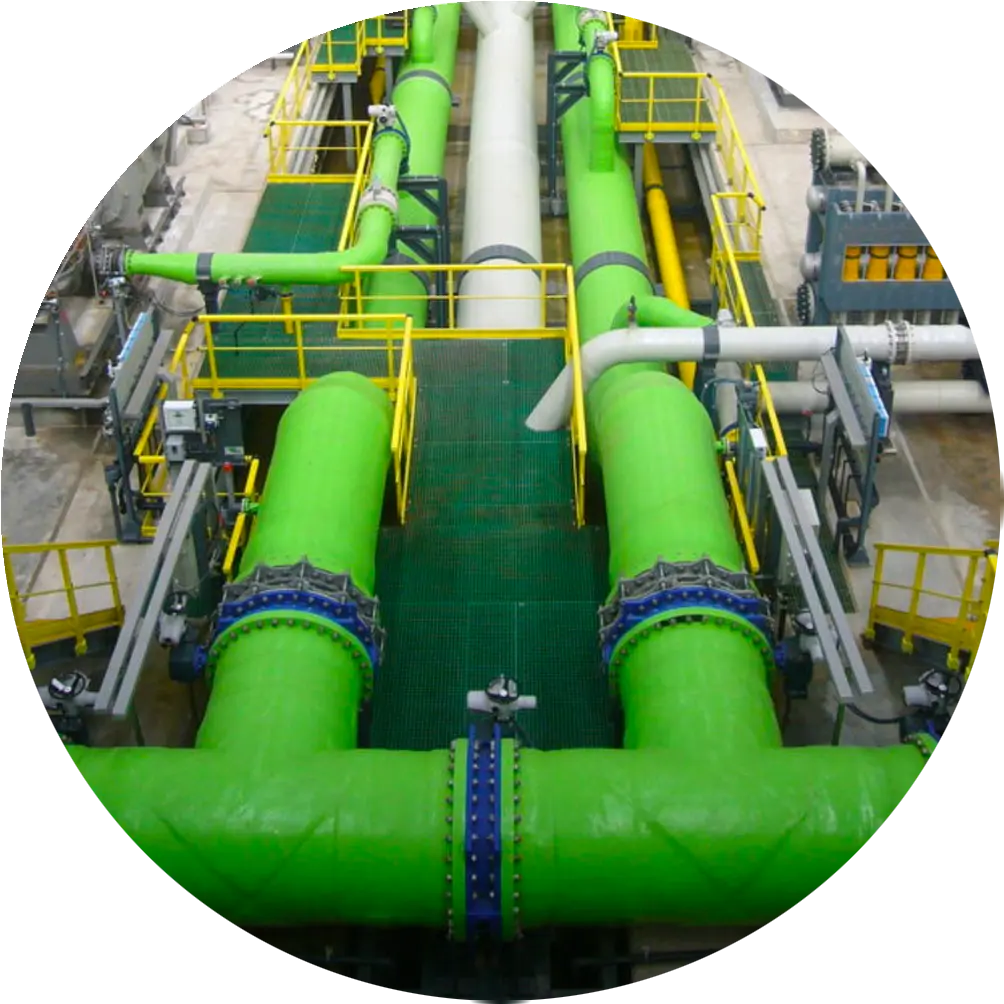
Water Management Systems
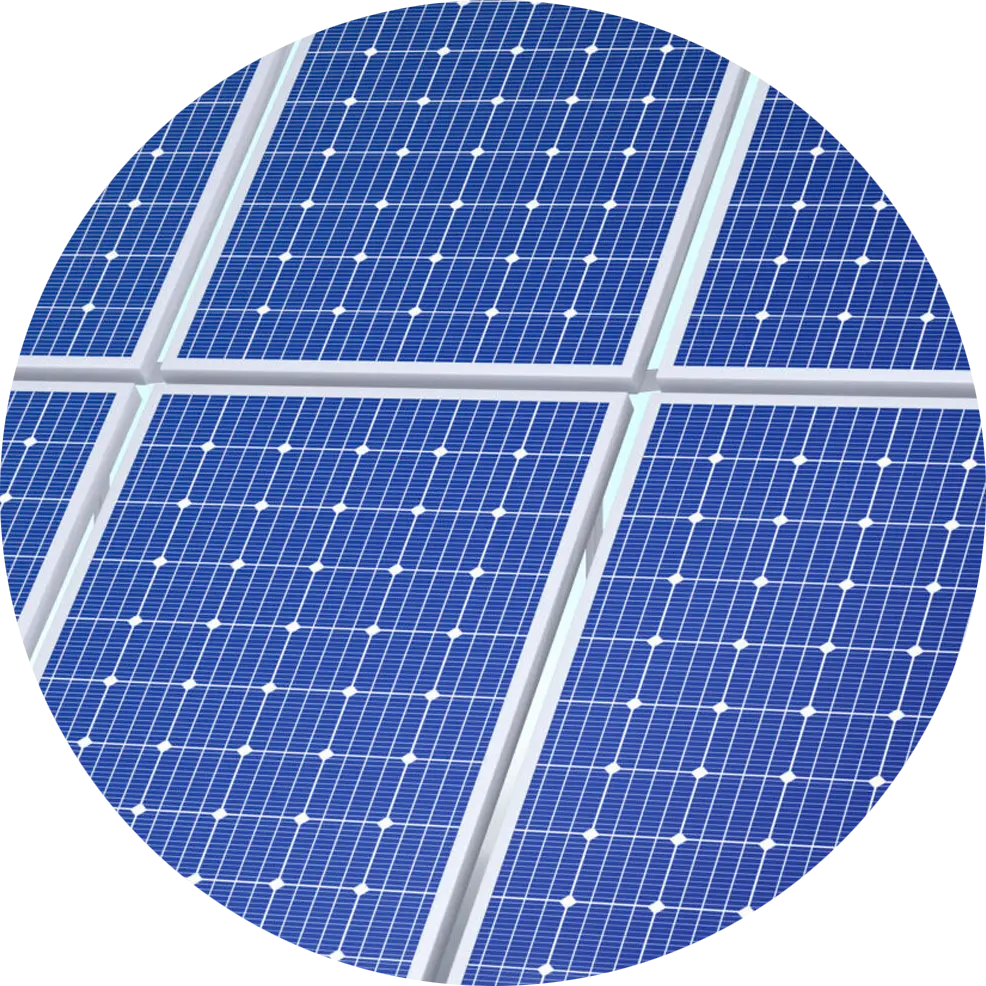
Solar Arrays
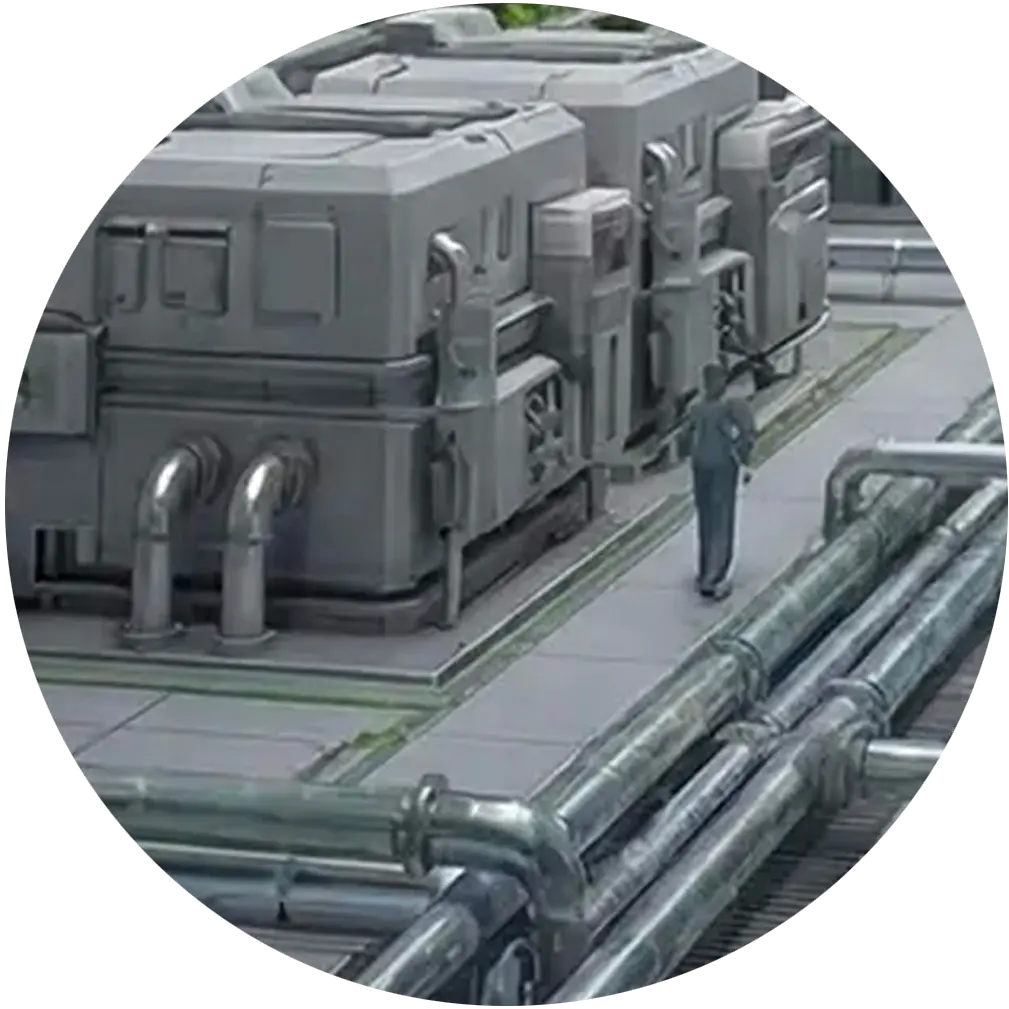
Flywheel Energy Storage / Micro Grid
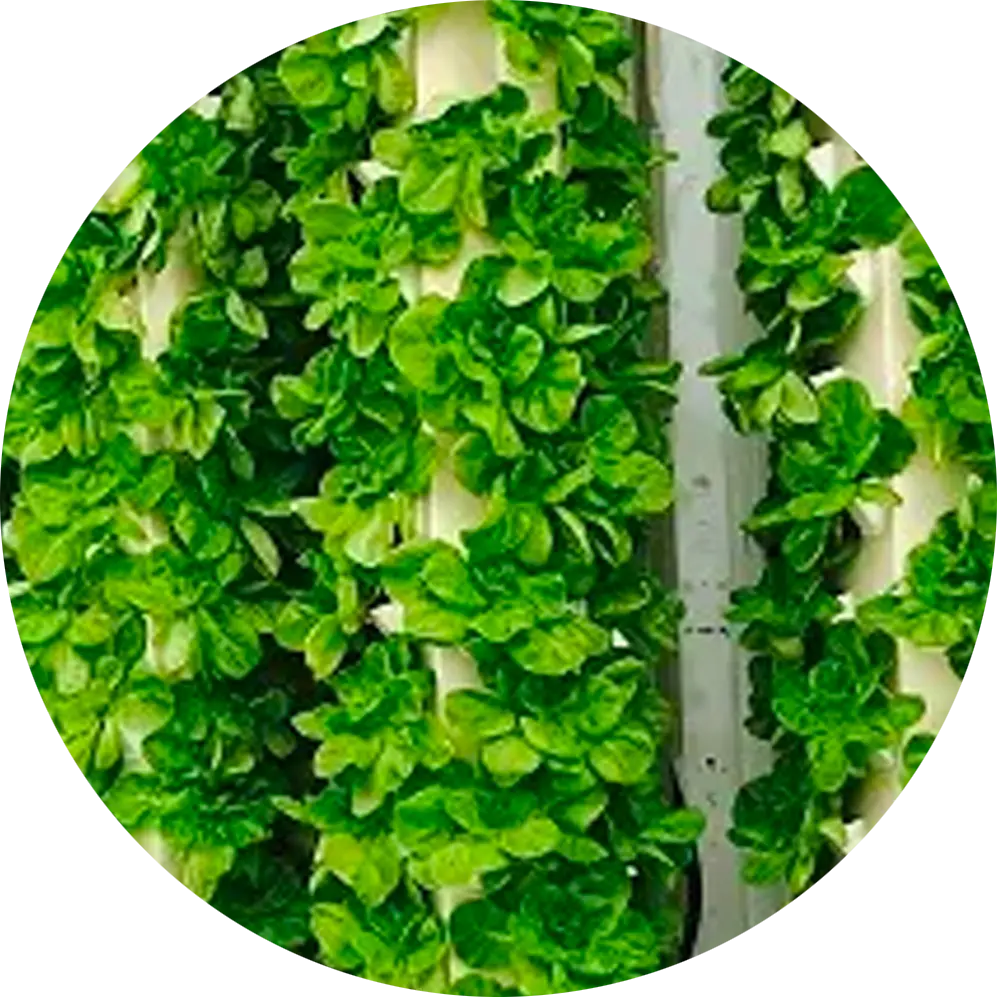
Aeroponics
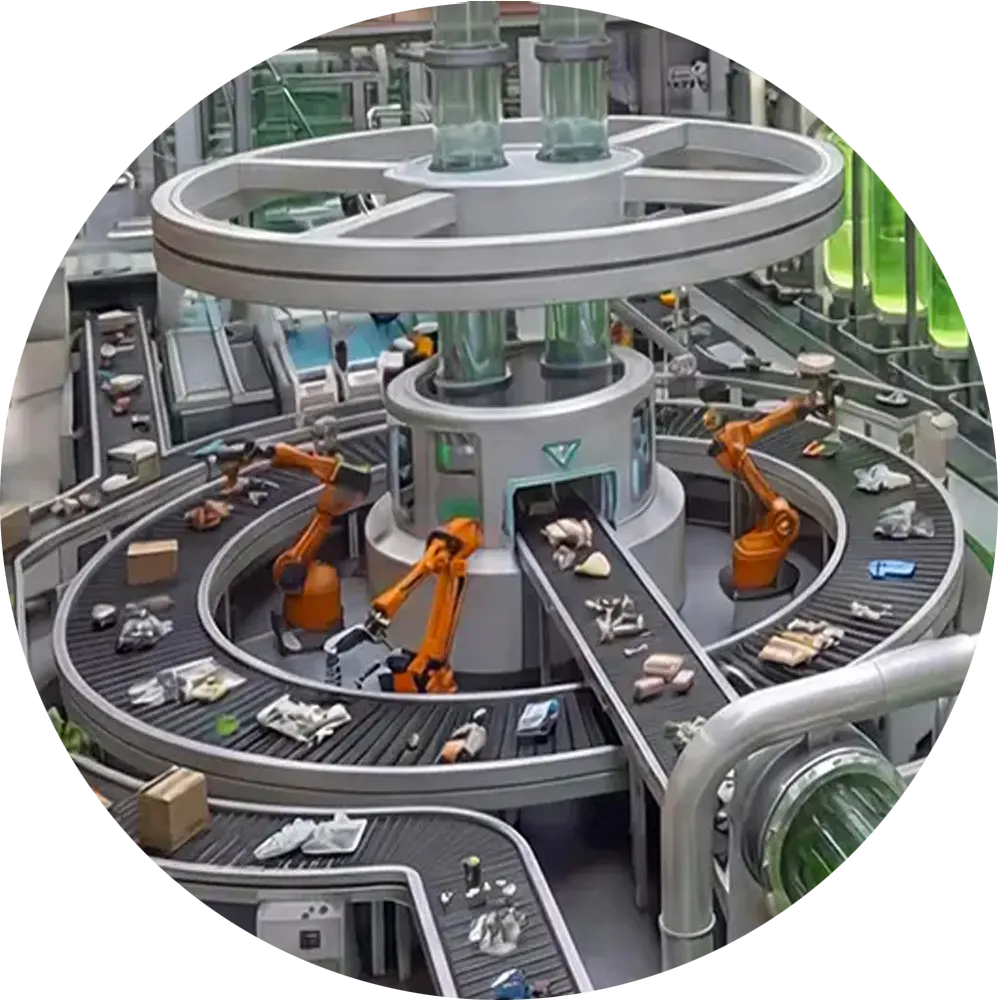
Recycling / Product Stations
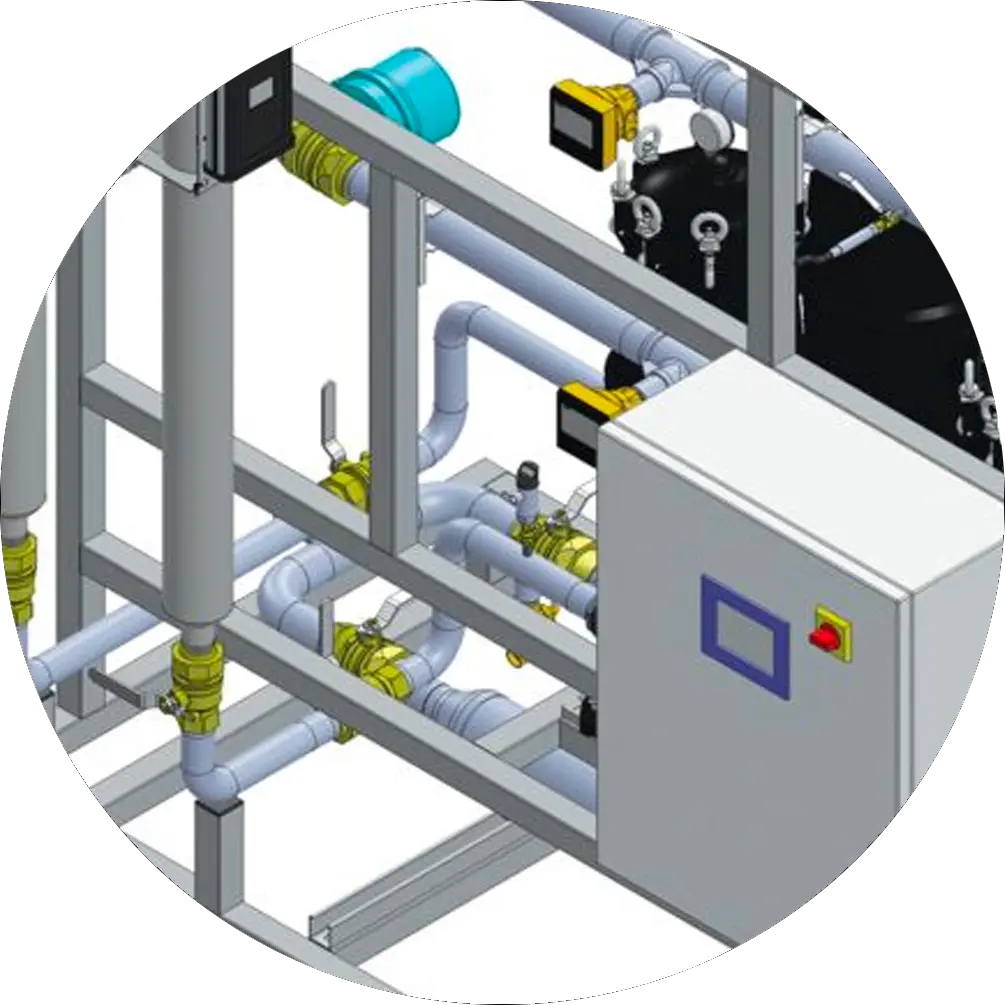
Rainwater Harvest
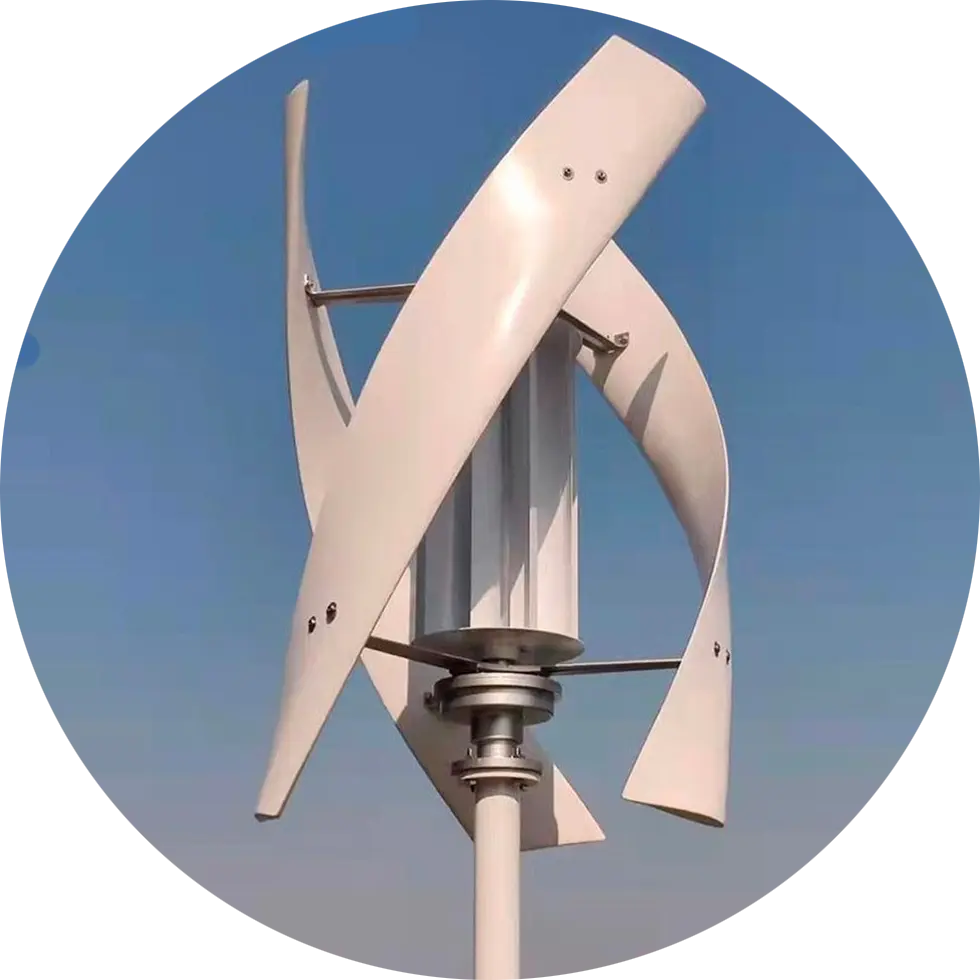
Wind Turbine
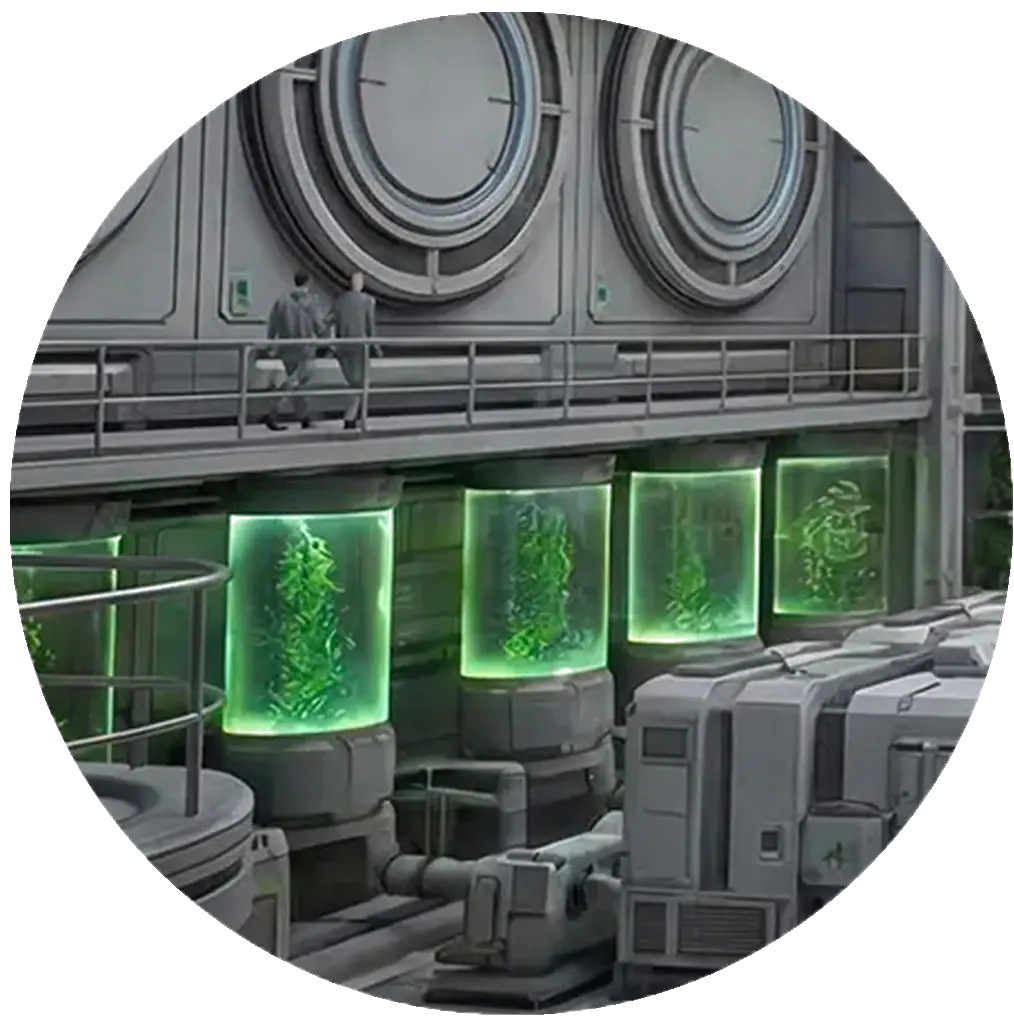
Bio Harvest Reactor
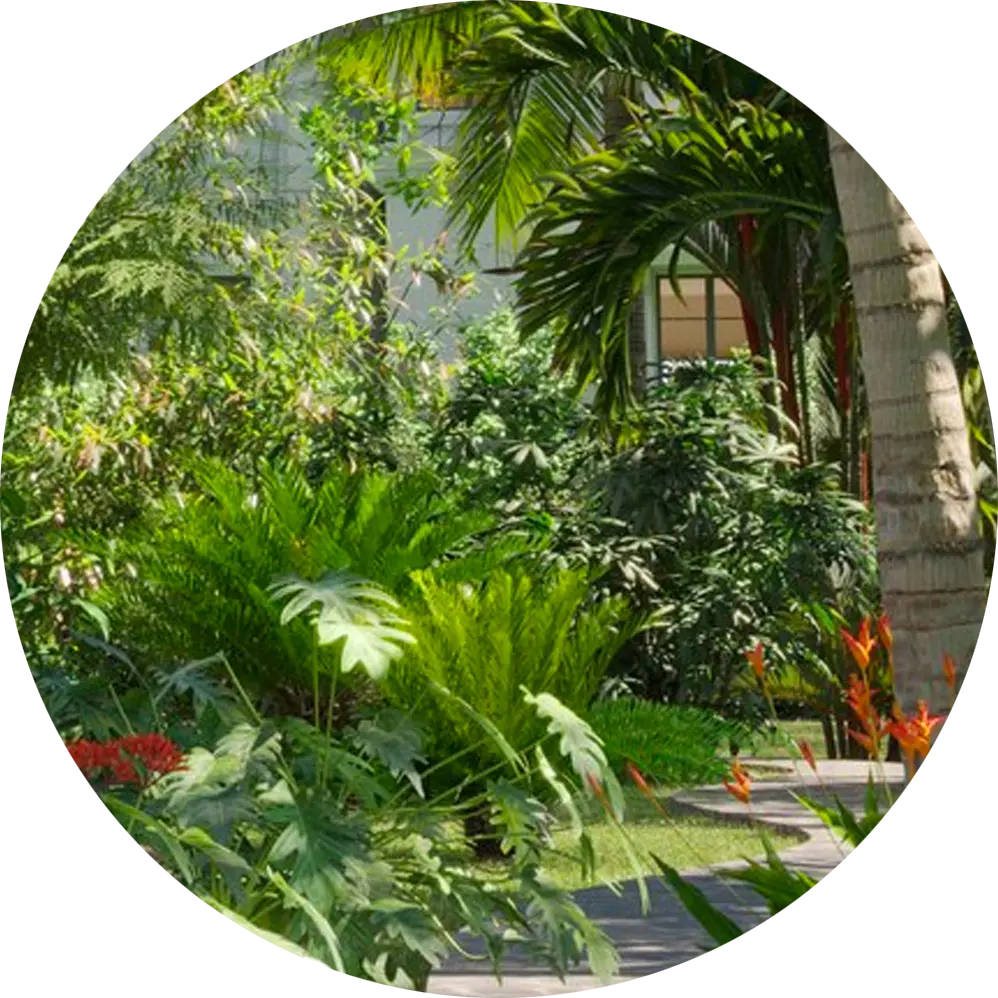
Specialized Botanical Gardens Pocket Parks
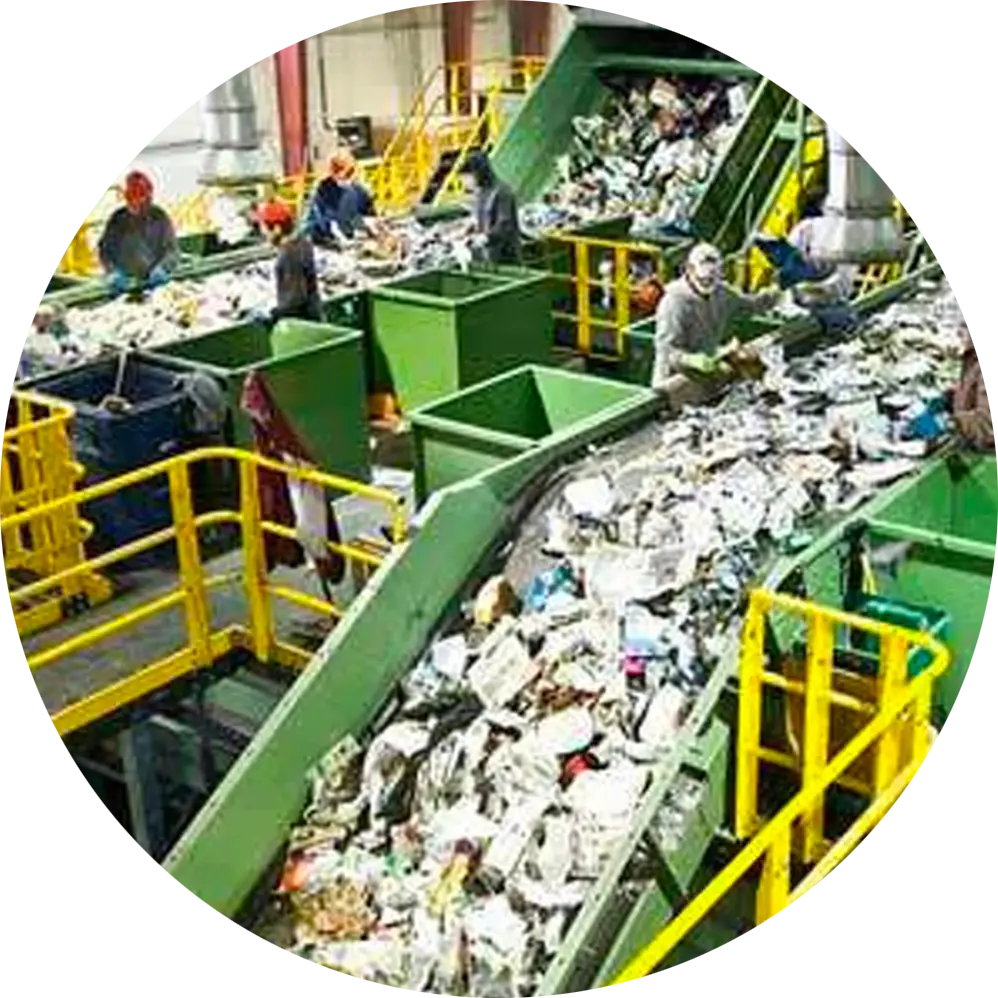
Recycling Management / Separation
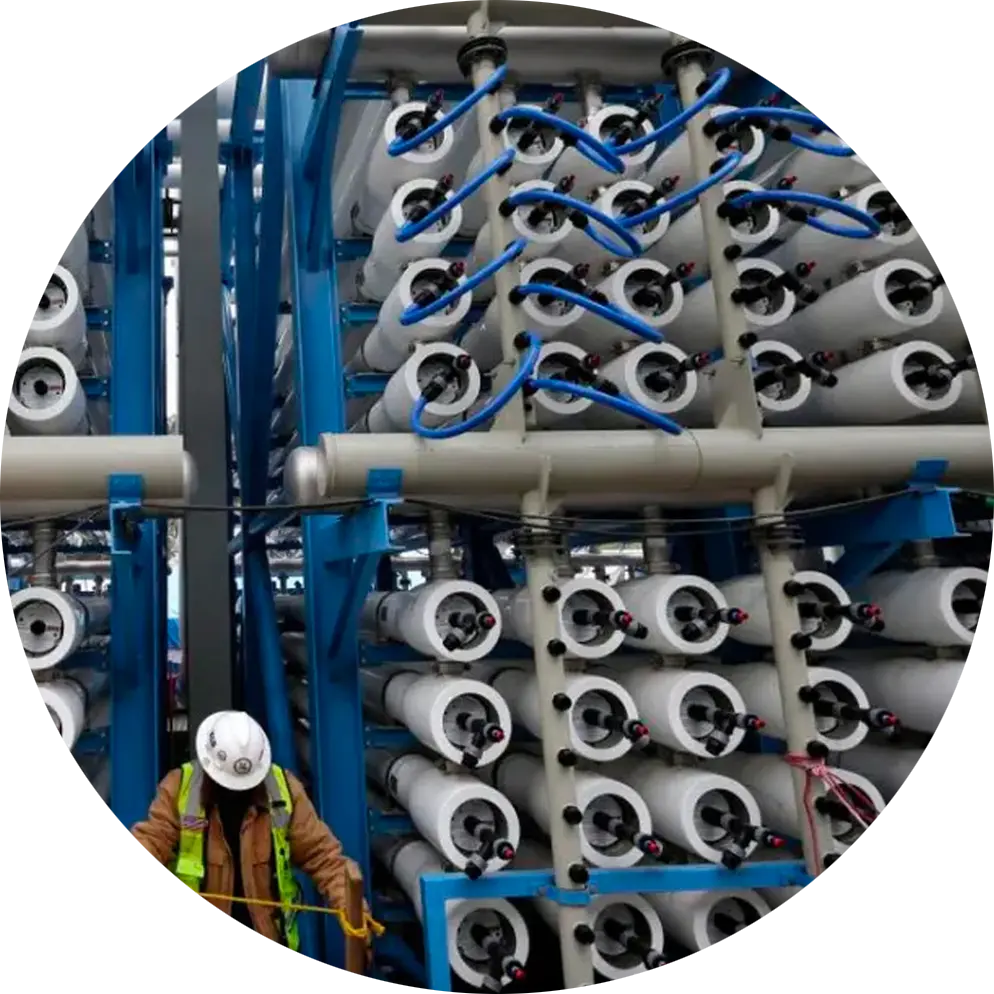
Hybrid Tandem Renewable Desalination
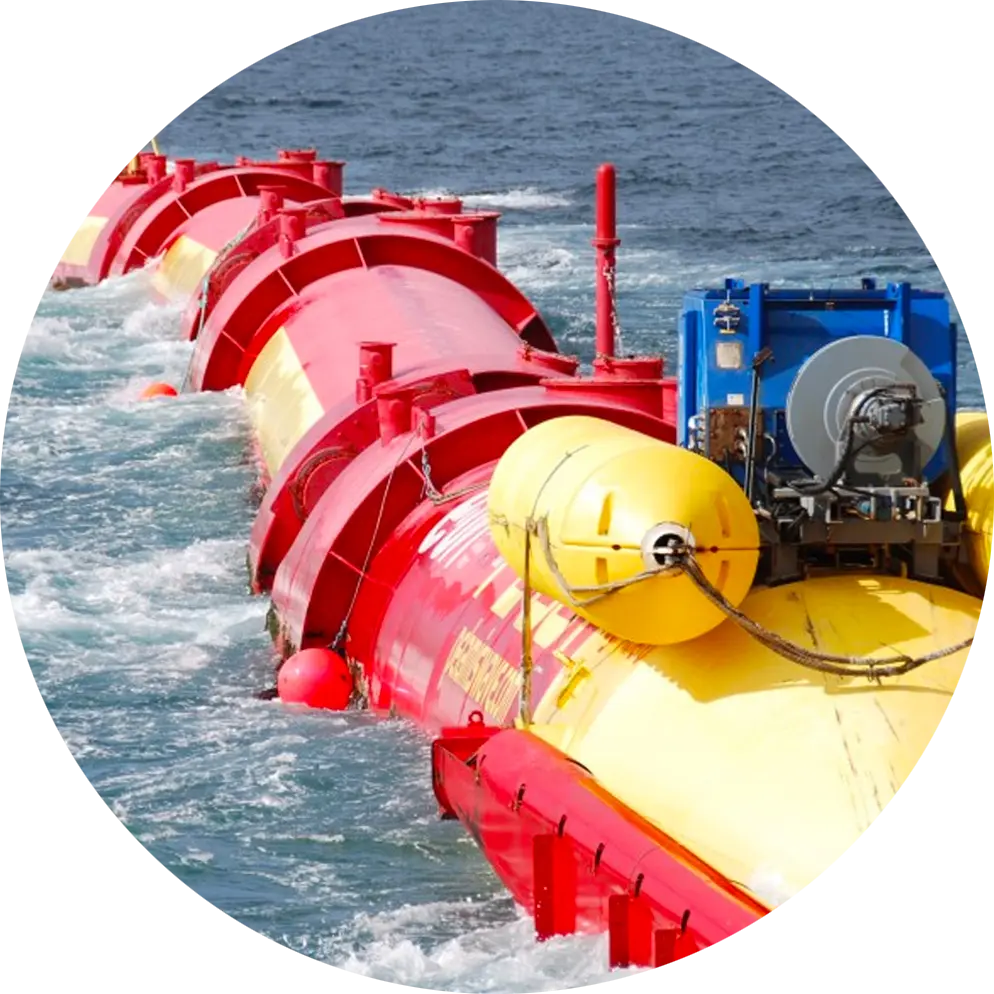
Energy Wave Tubes
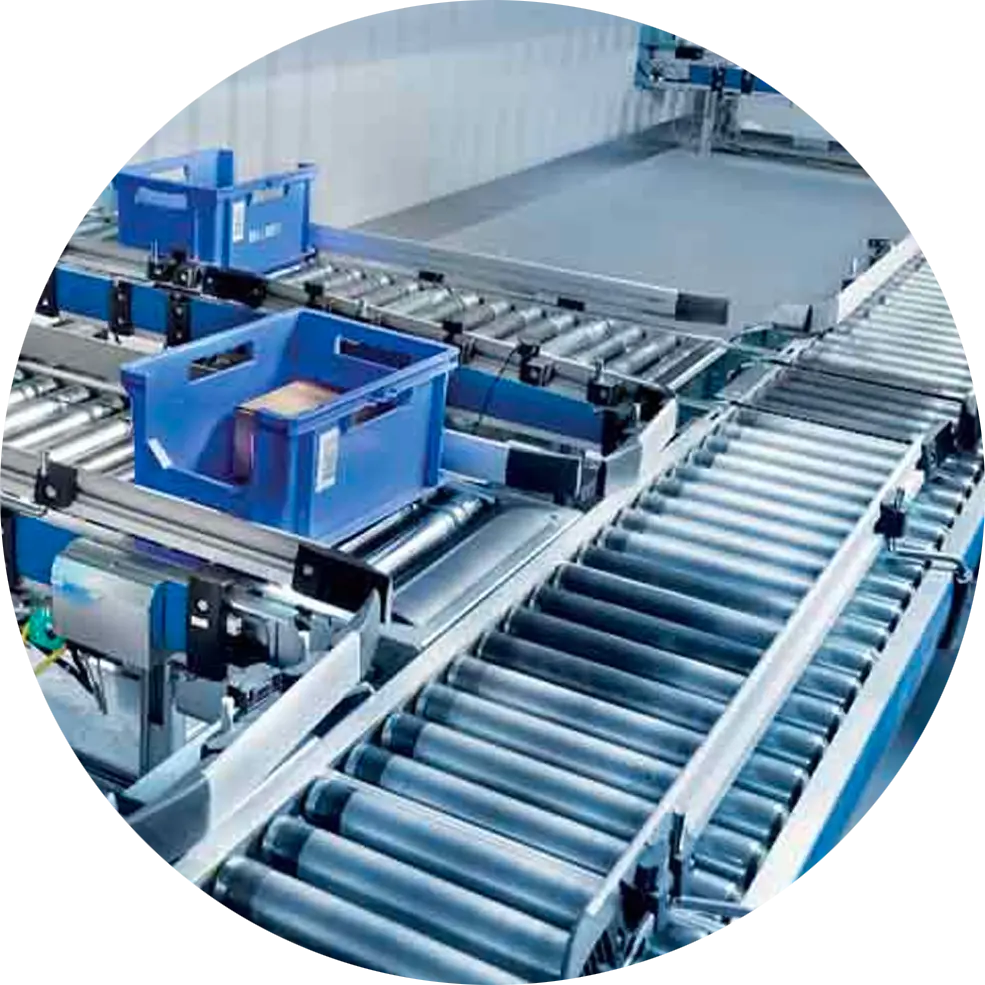
Tandem / City Wide Conveyor System
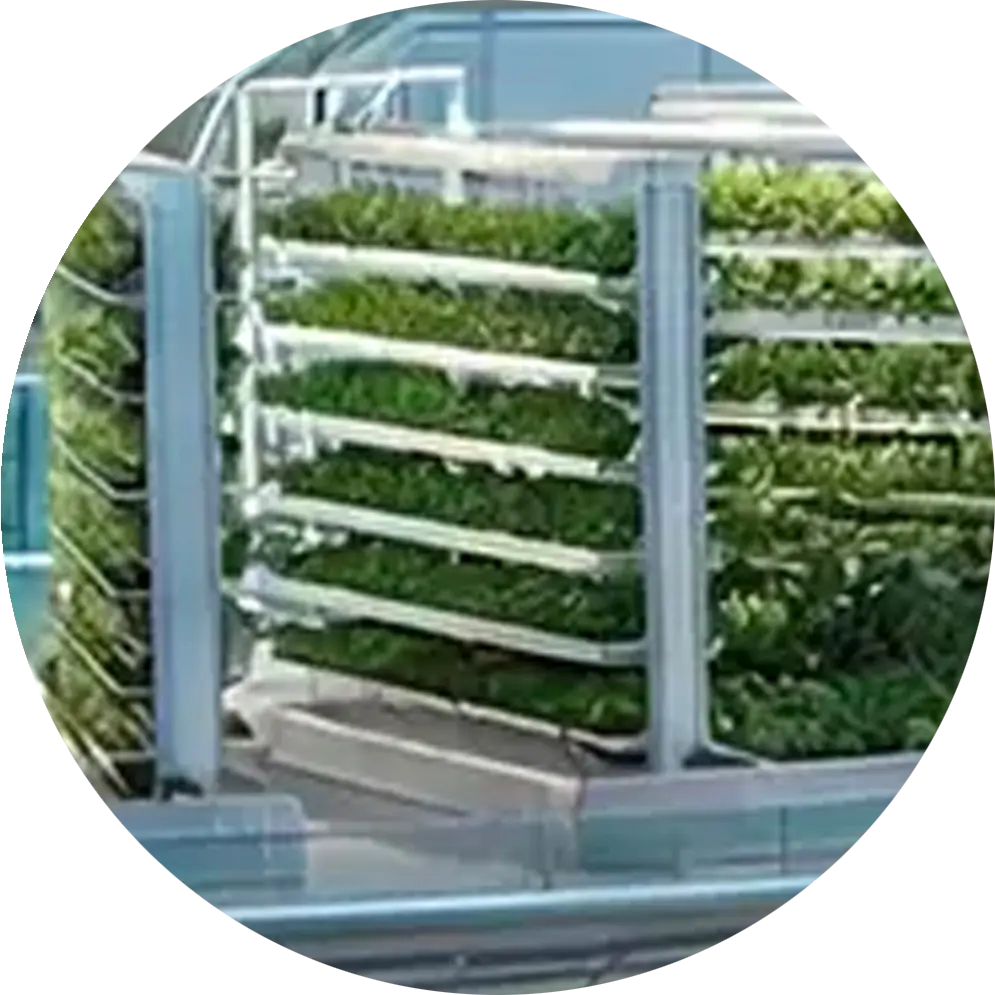
Hydroponics
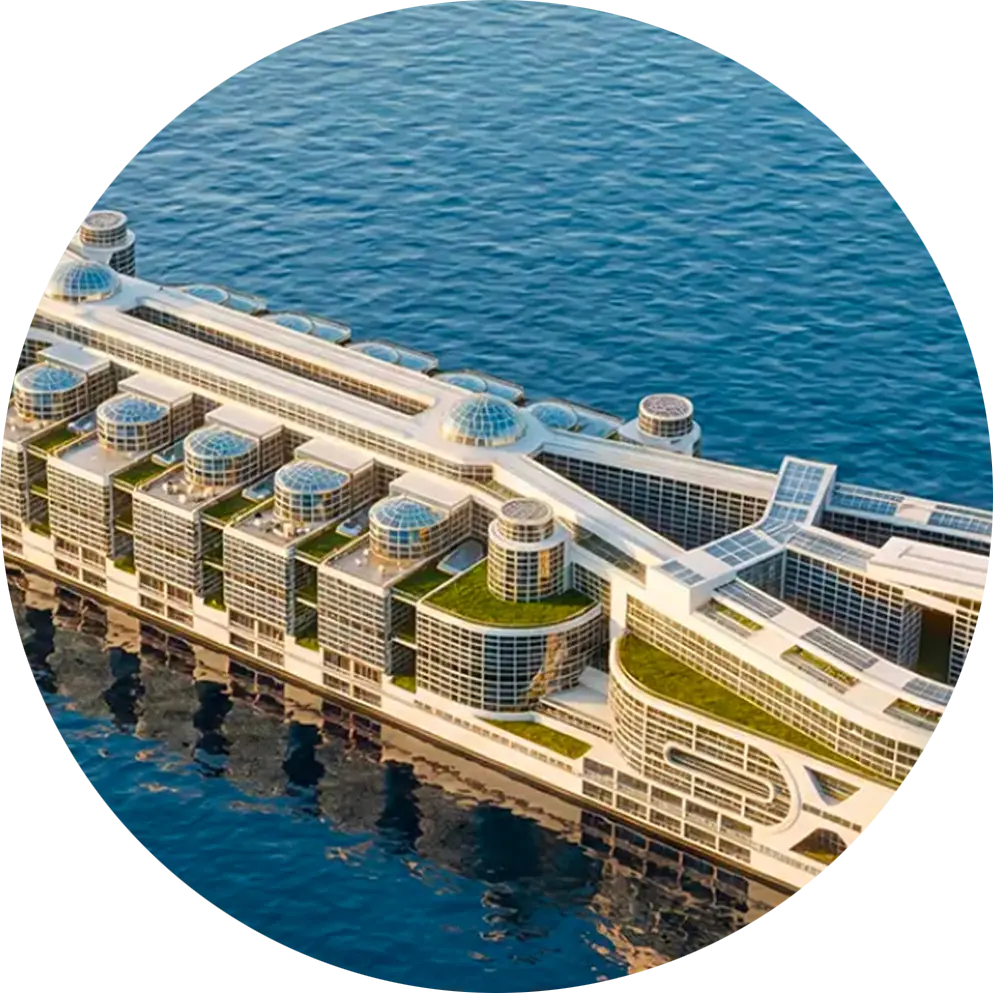
Ongoing Two Generational Mobile and Stationary Plans
Resilience is fundamental to life at sea. The Freedom Ship is designed to operate across changing climates, ocean conditions, and regulatory environments. Structural durability, system redundancy, and phased maintenance strategies are embedded into the design, recognizing that permanence requires adaptability as well as strength.
Environmental responsibility is addressed through long-term efficiency rather than short-term gains. Resource use is monitored, managed, and adjusted over time, allowing systems to evolve as technologies improve and standards change. The city is designed to be upgradeable rather than fixed, avoiding obsolescence through flexibility.
Maintenance is treated as a continuous process, not a future problem. Access, repair, and renewal are built into the structure of the city, supporting safe operation without disrupting daily life. This approach acknowledges that resilience depends as much on care and stewardship as on initial design.
Sustainability aboard the Freedom Ship is not a claim, but a practice. It reflects an understanding that a permanently mobile city must be designed to endure—technically, environmentally, and socially—over long periods of time.