L
i
v
i
n
g
Homes Within a Moving City
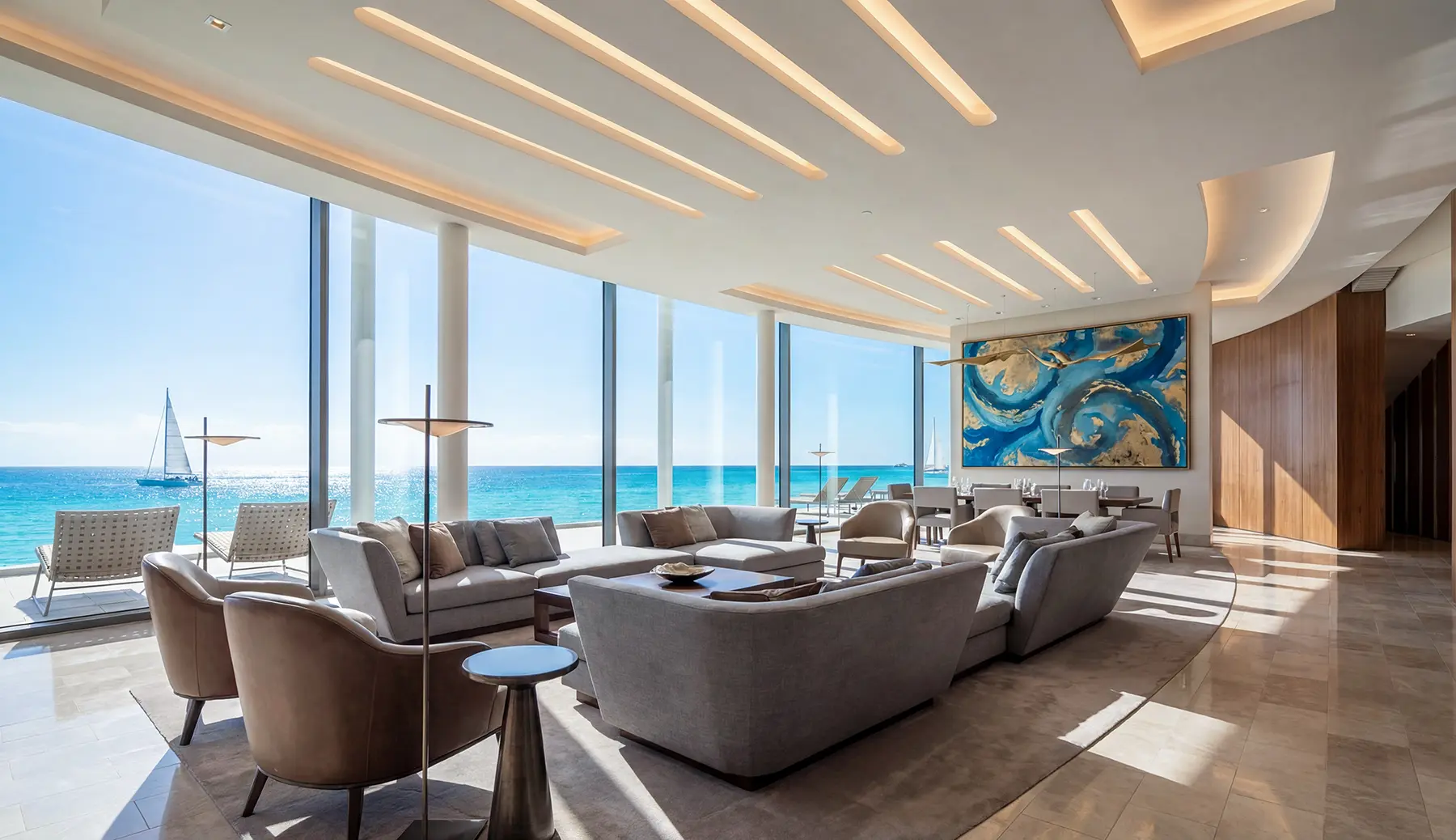
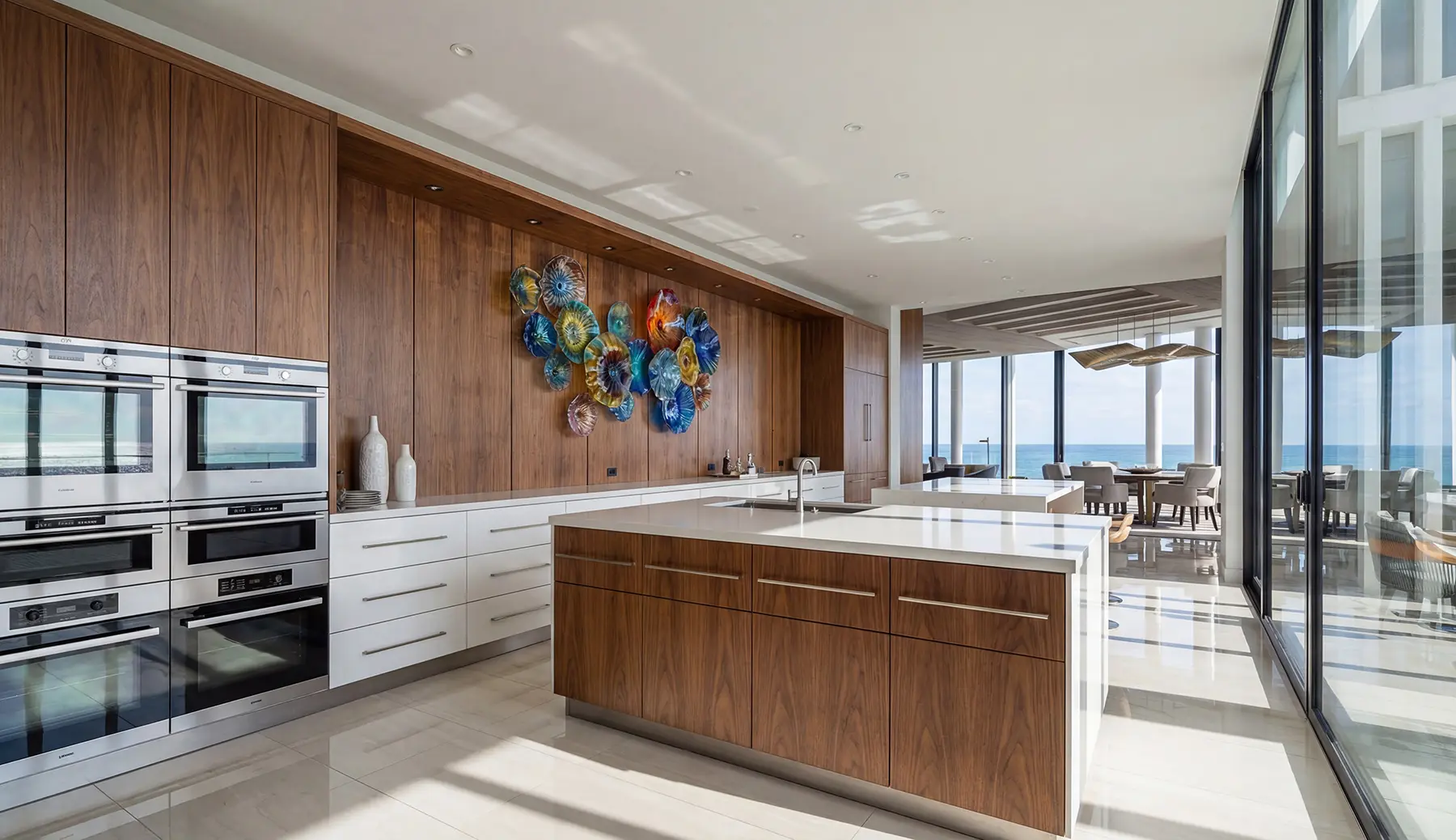
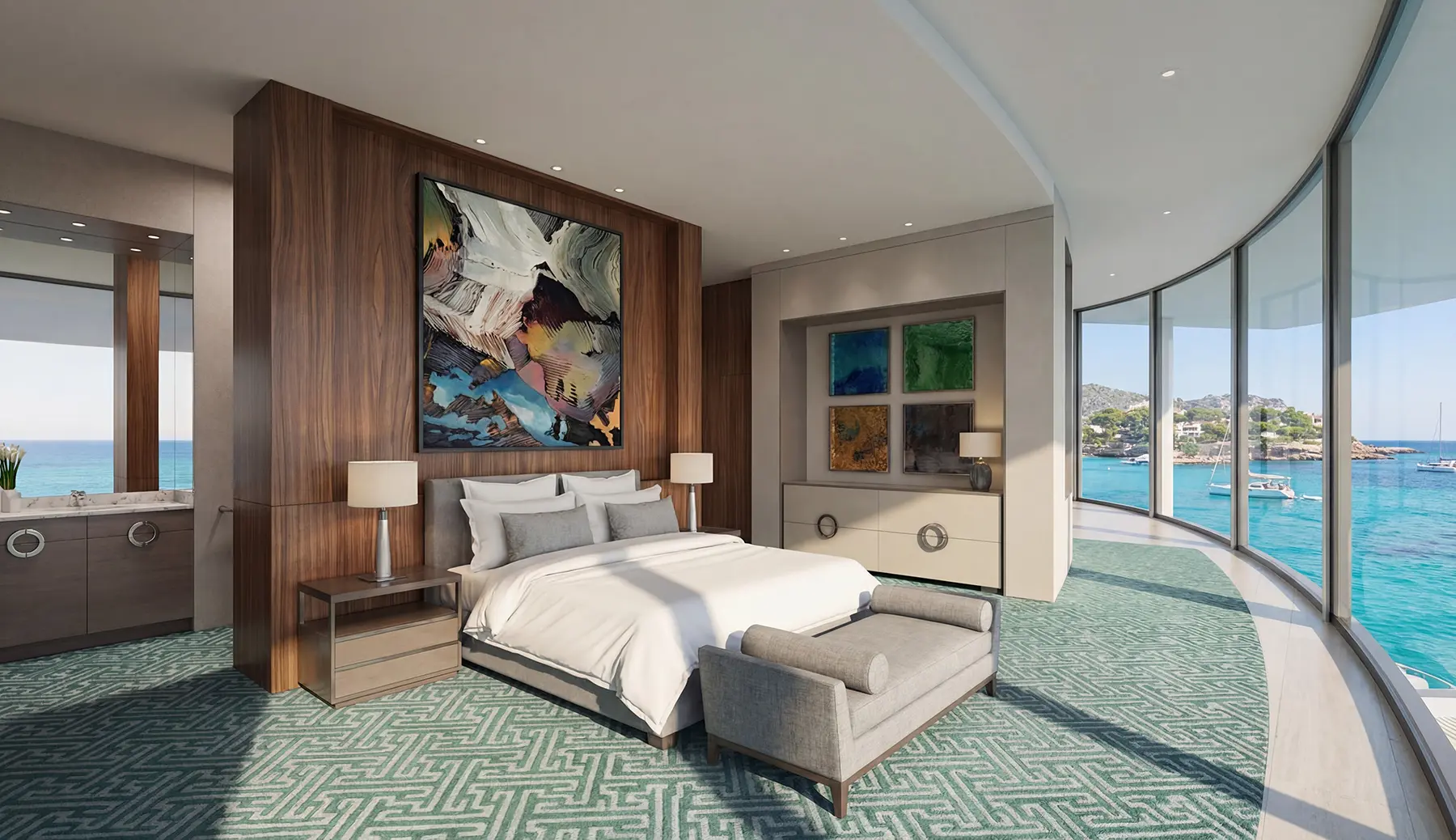
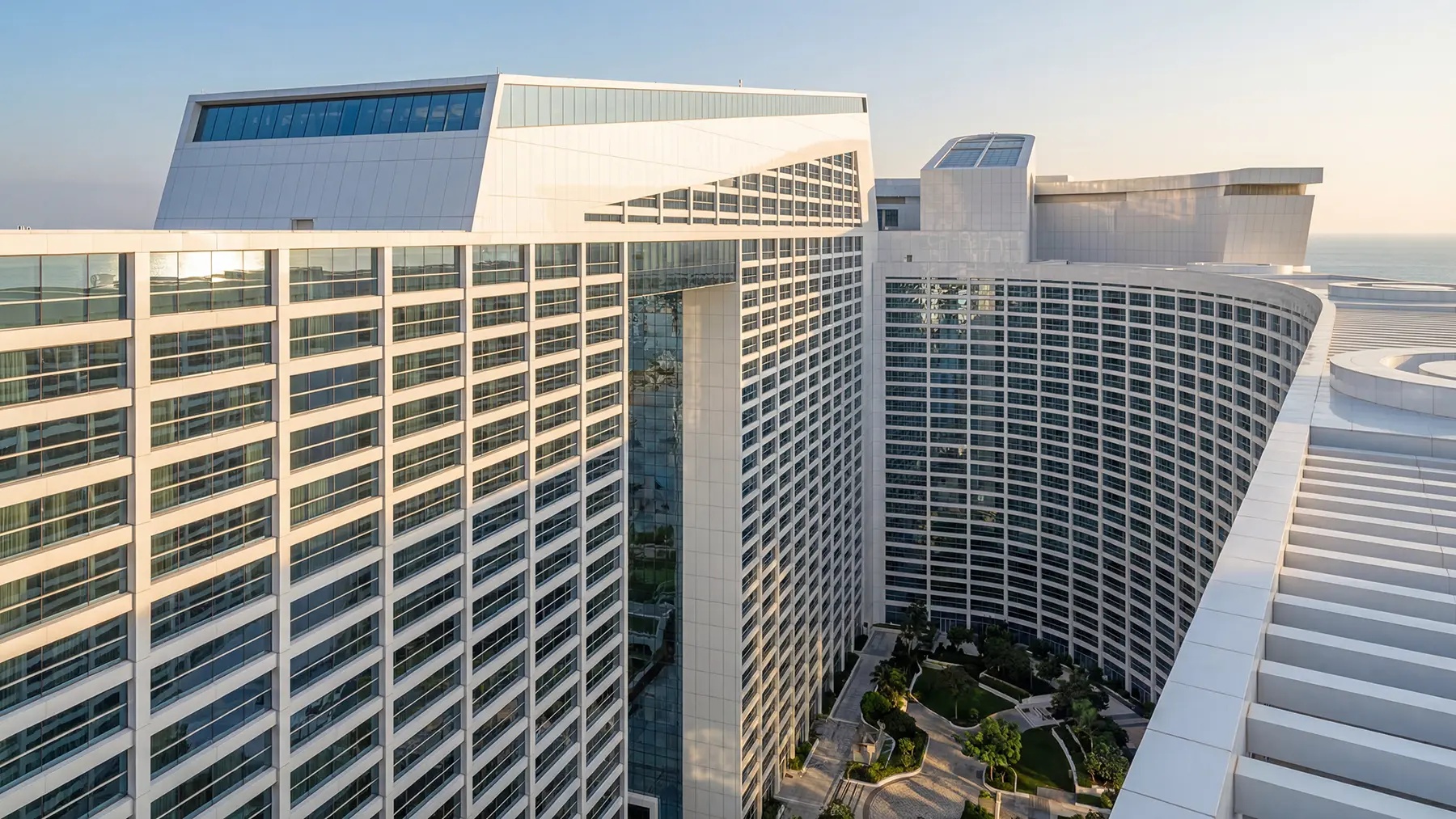
Living aboard the Freedom Ship is defined by continuity. Homes are designed for people who intend to stay—establishing routines, relationships, and a lasting sense of place. Residential life is conceived as housing, not accommodation.
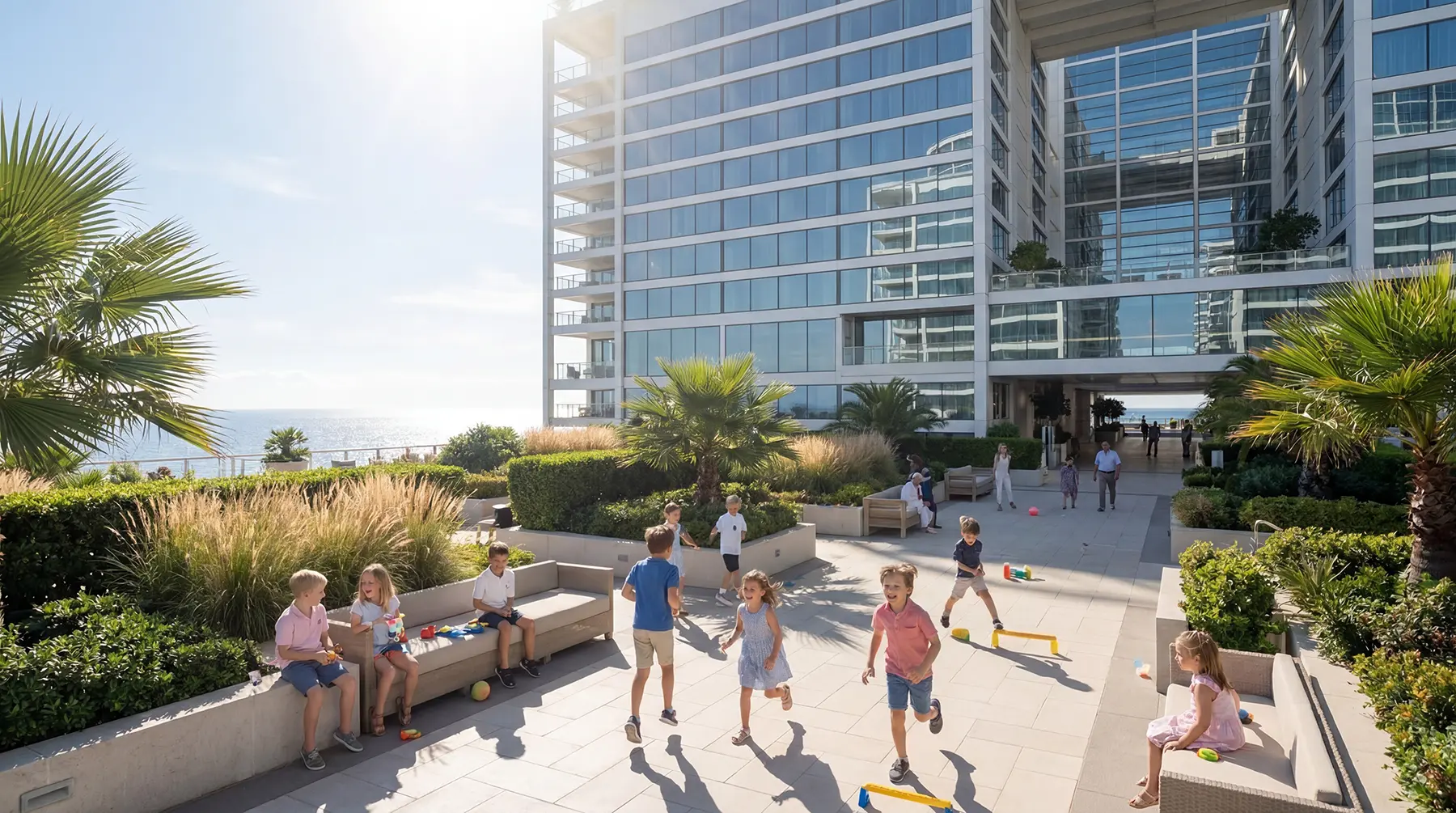
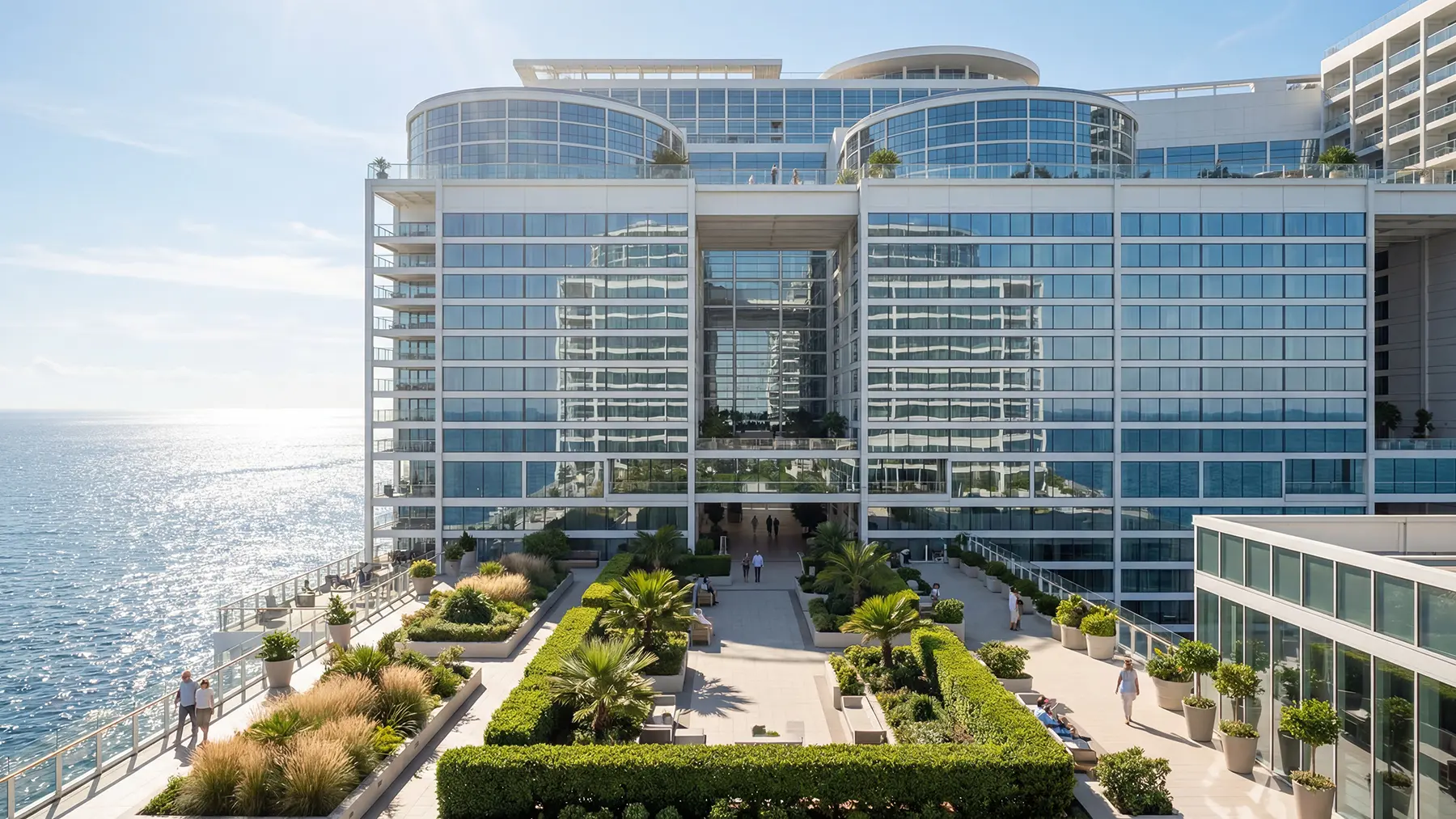
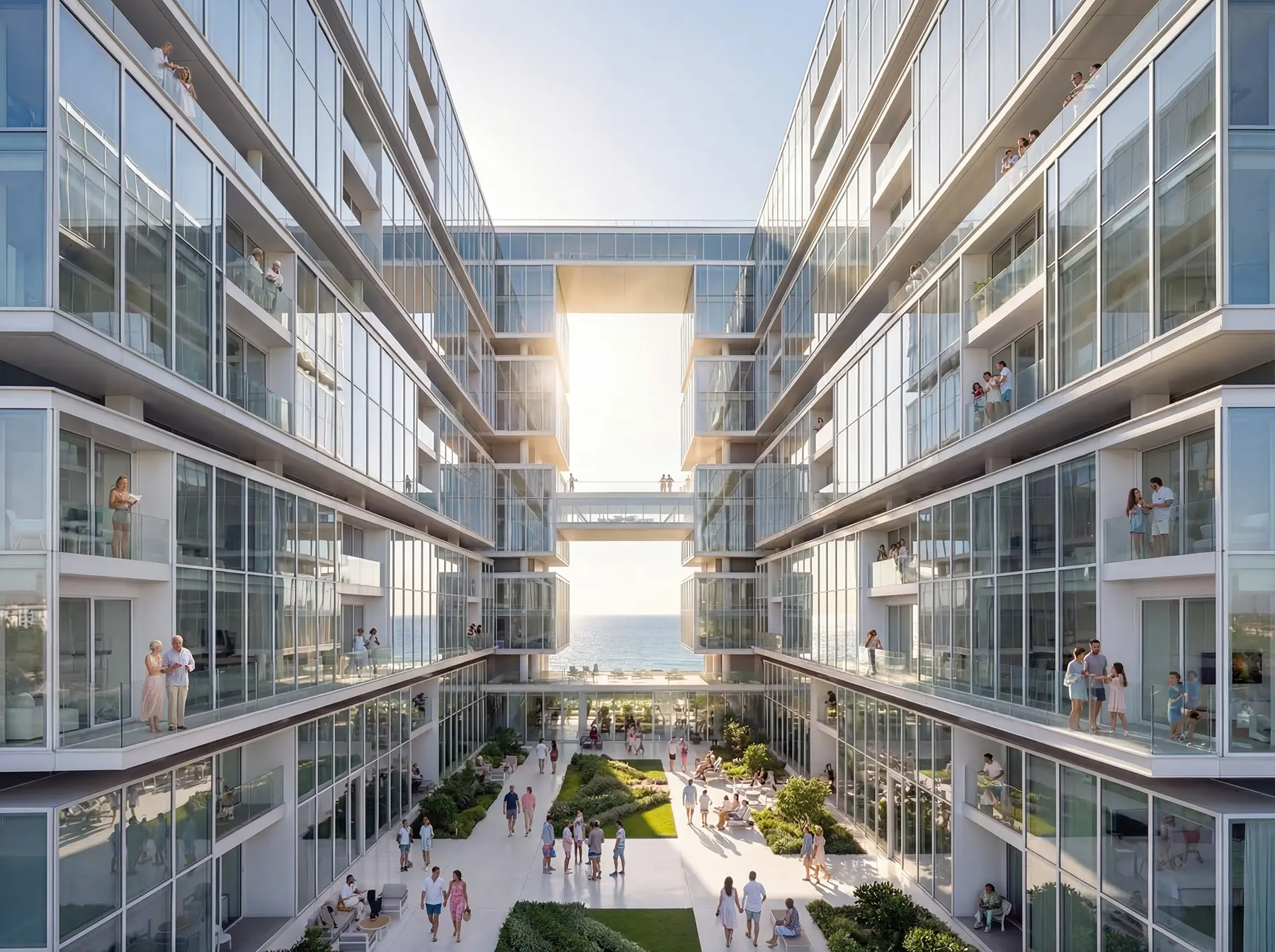
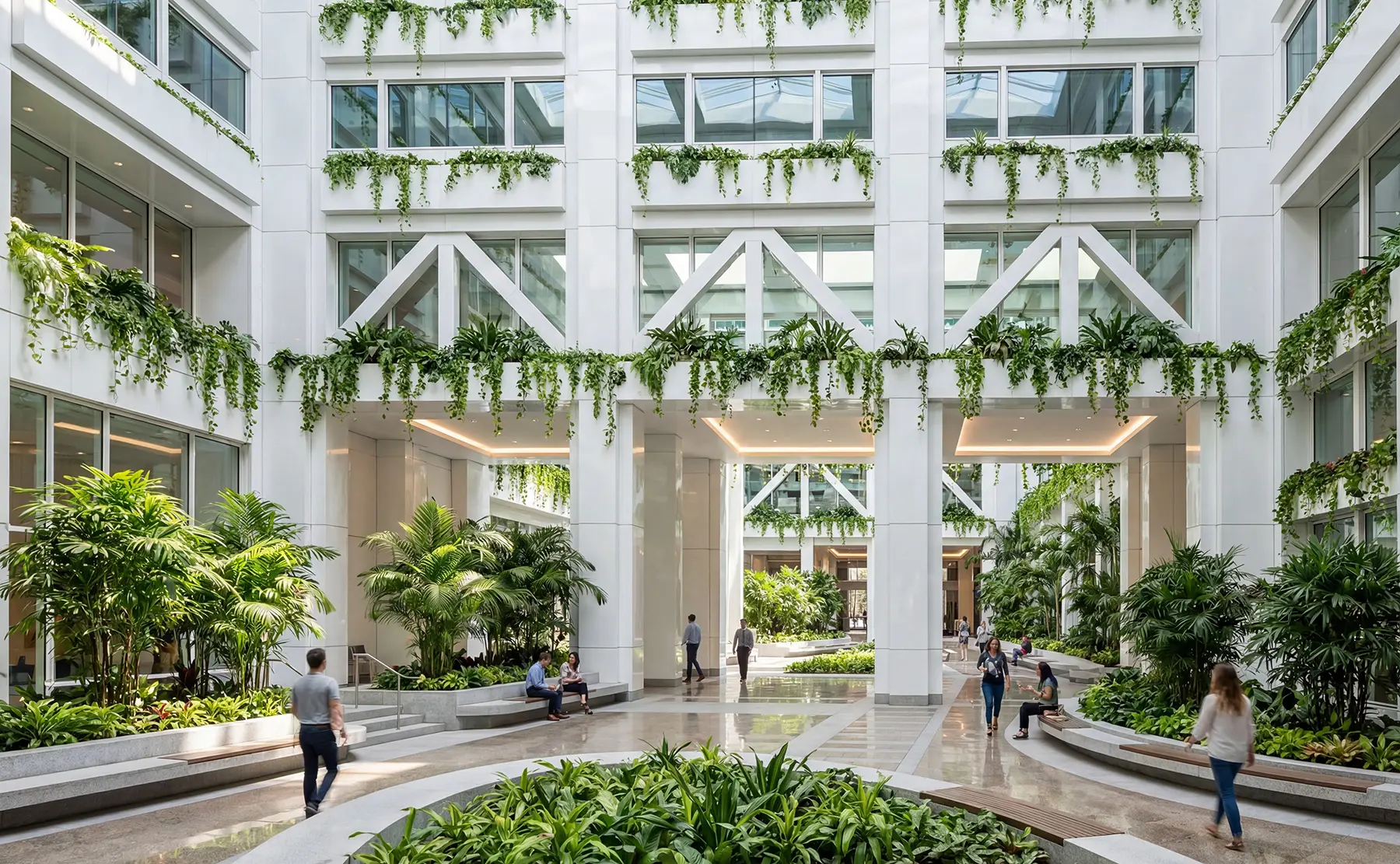
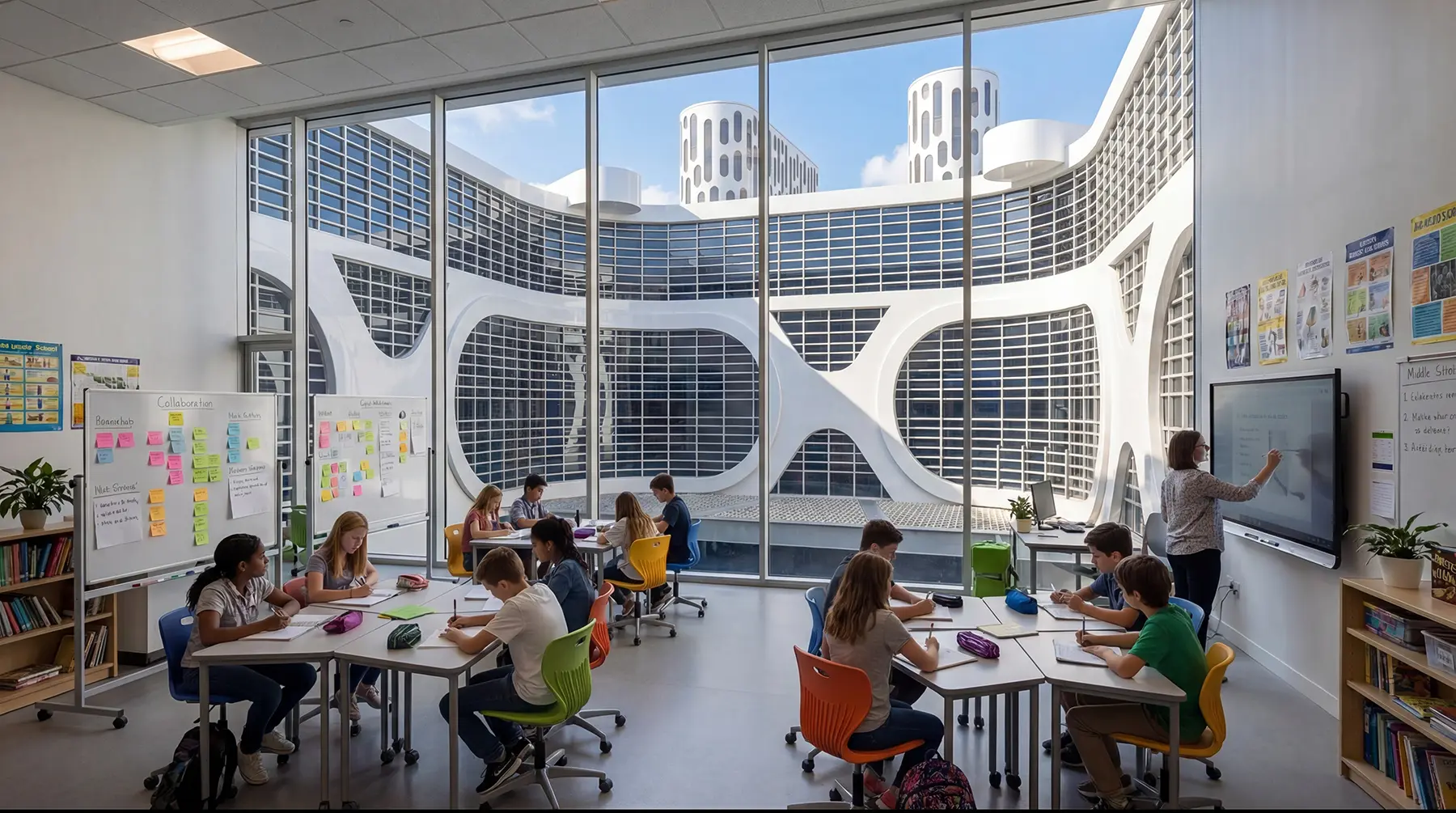
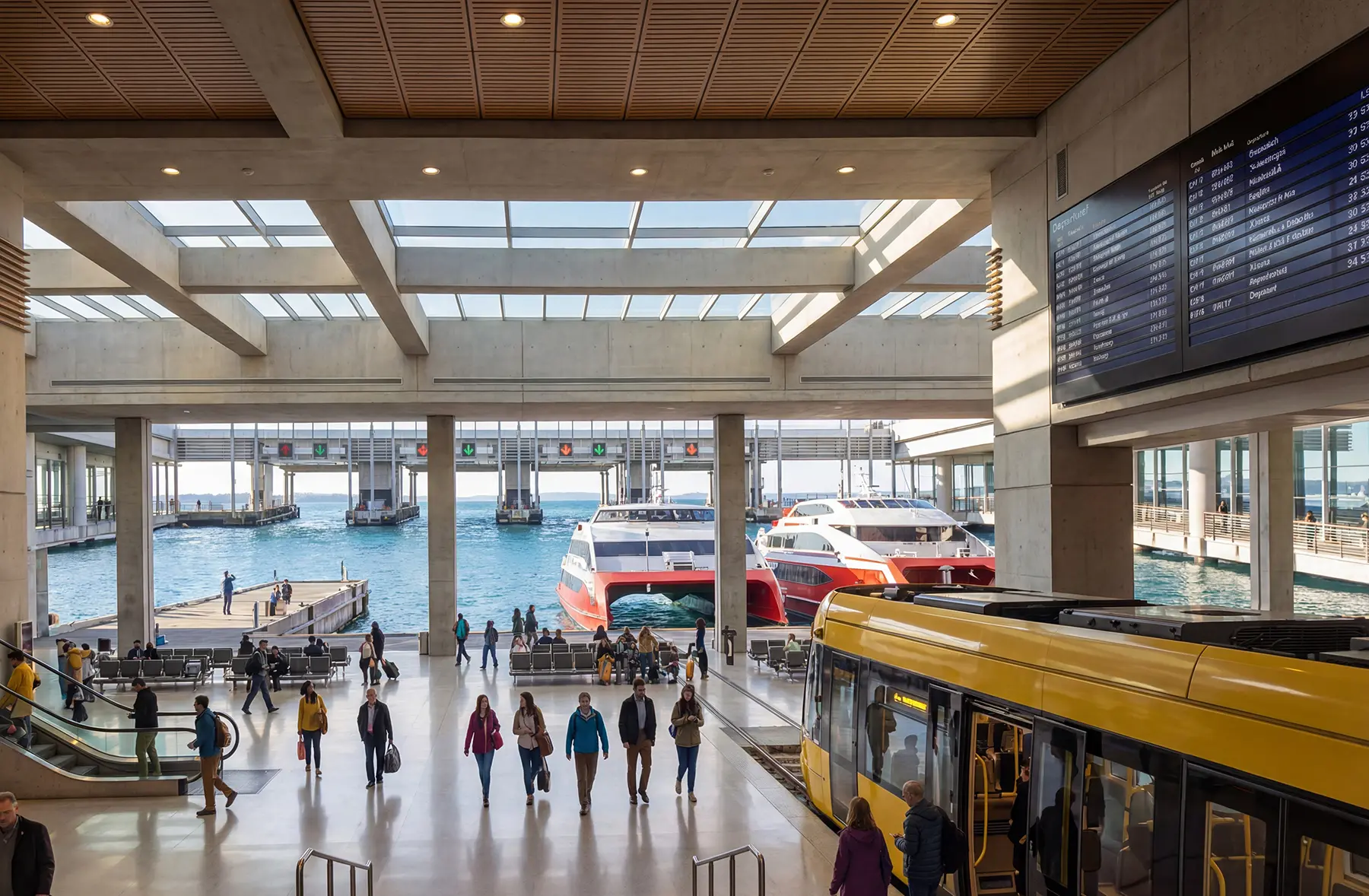
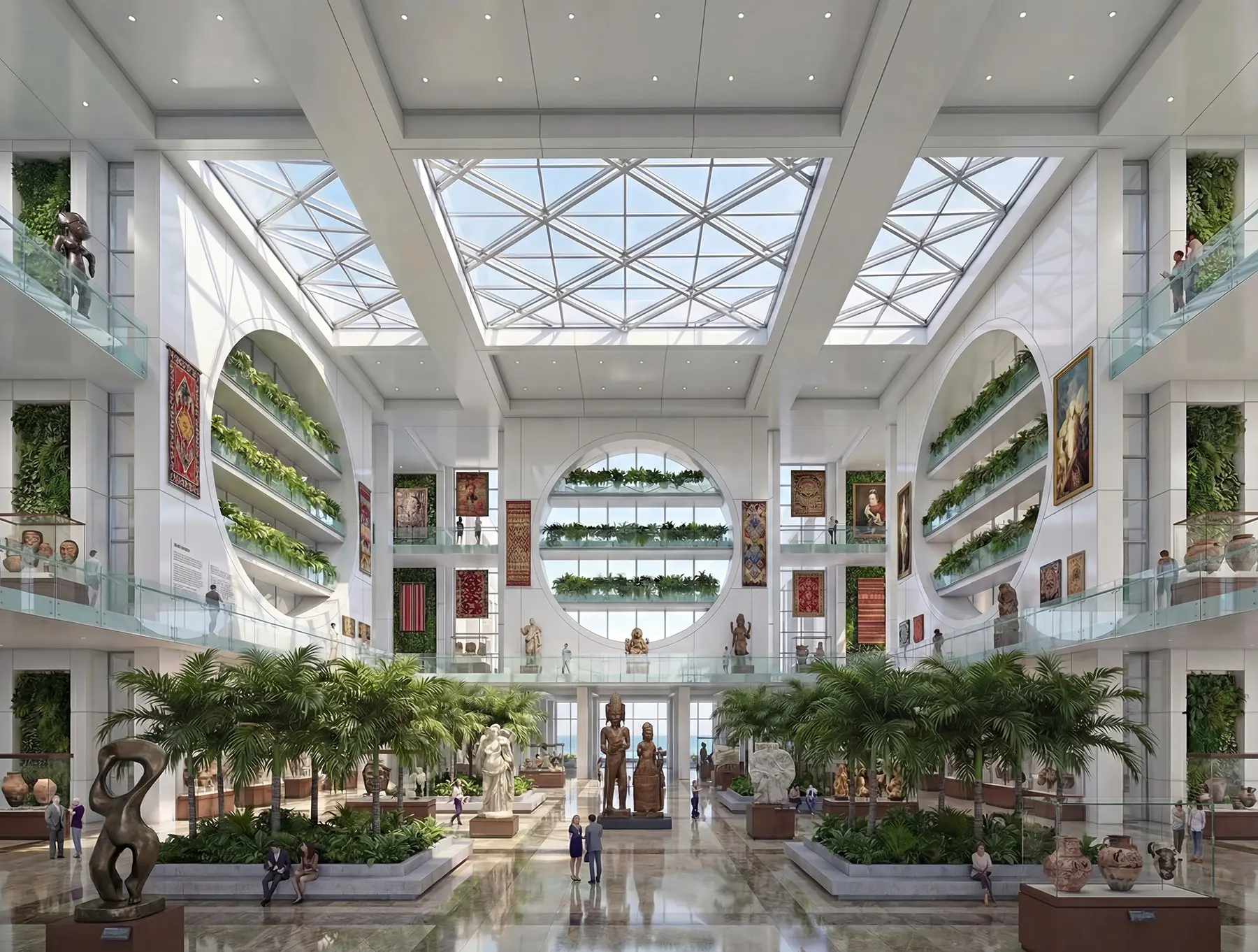
Neighborhoods follow familiar urban logic. Residential areas are walkable, human-scaled, and organized around daily needs rather than internal travel. Schools, local services, green space, and community facilities are placed within close reach, reinforcing the experience of living in a real neighborhood.
Housing supports different stages of life. Residences are planned for individuals, families, and multi-generational households, with layouts that can adapt over time as needs change. The intent is longevity, not turnover.
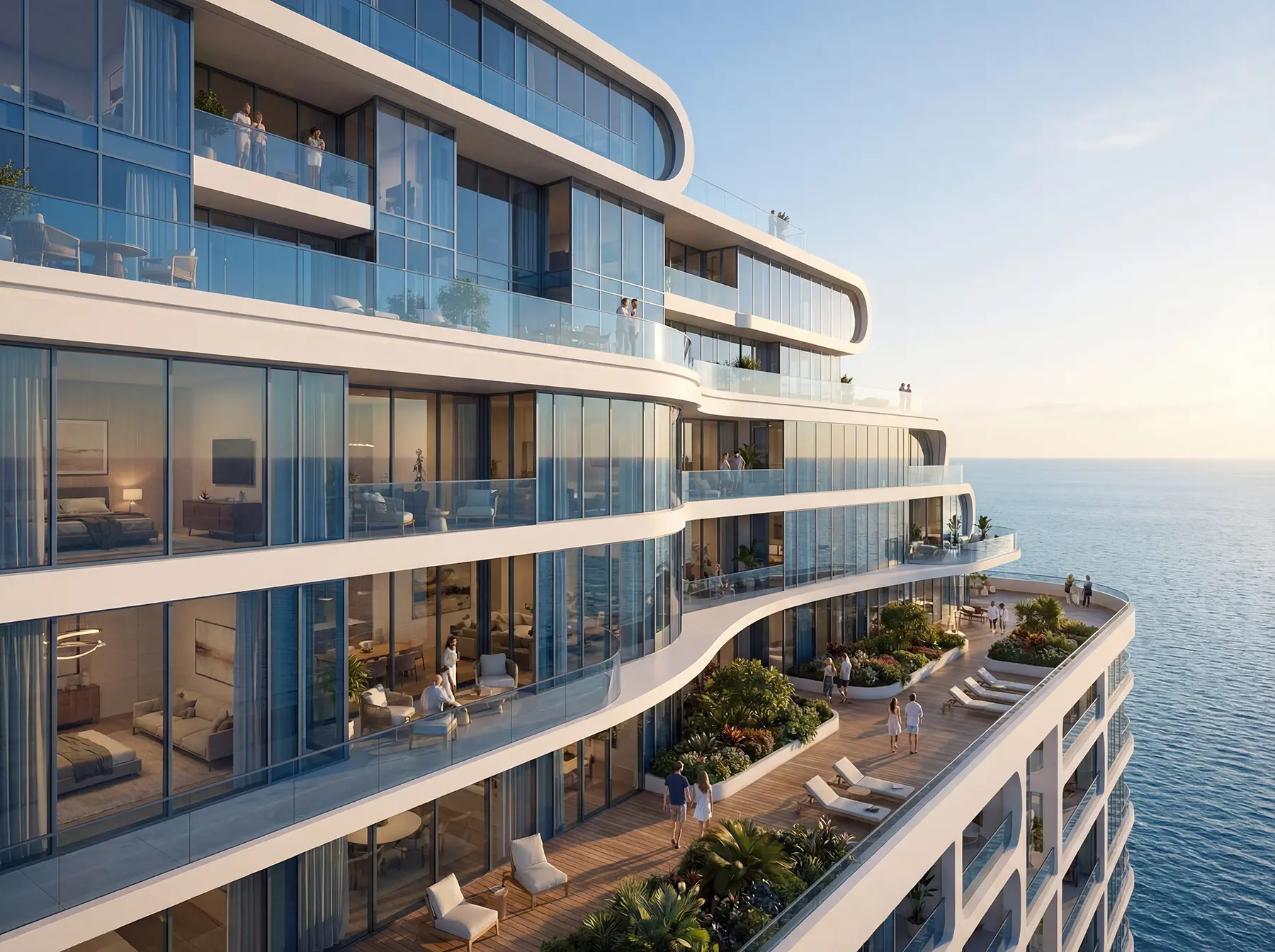
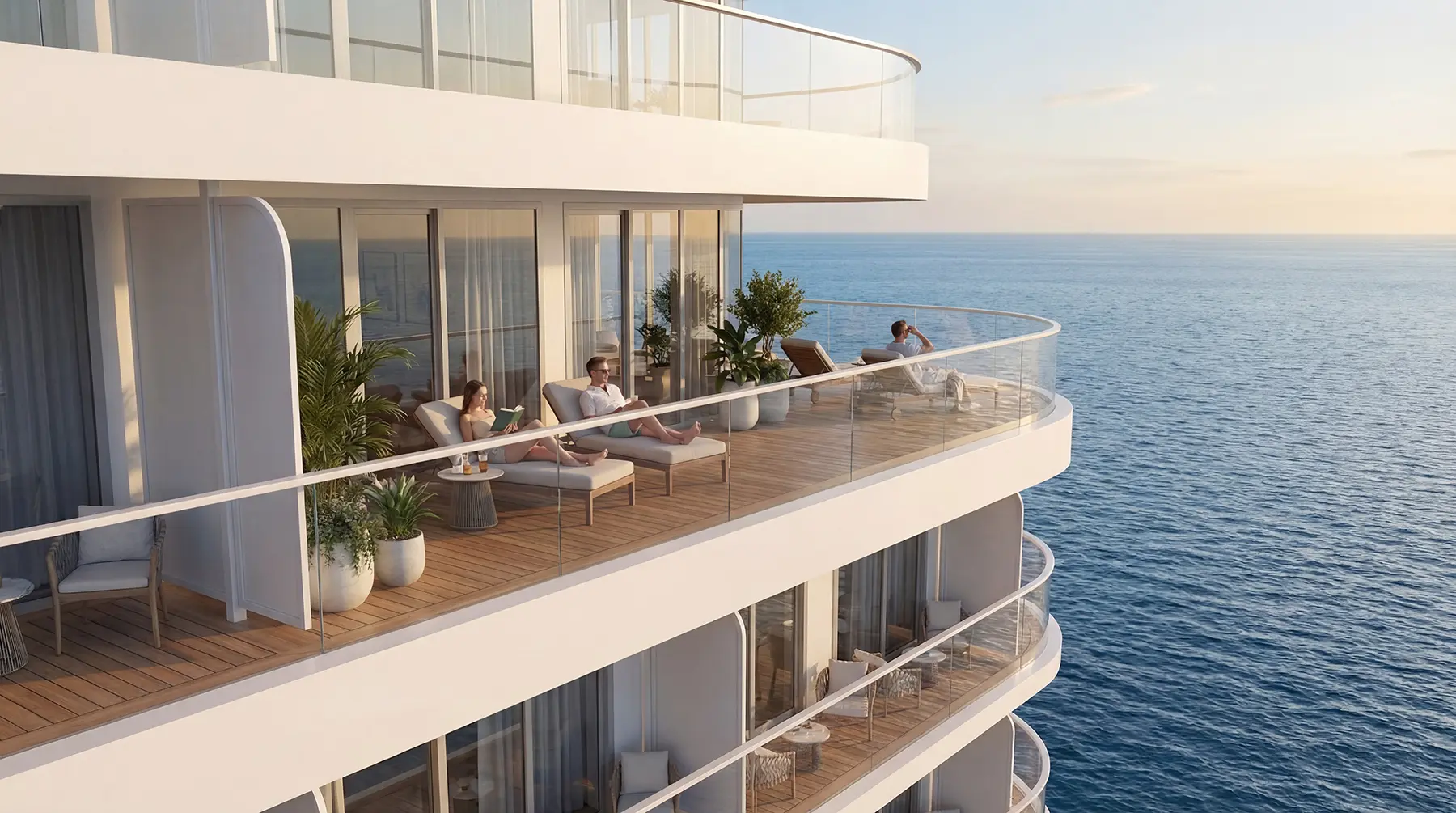
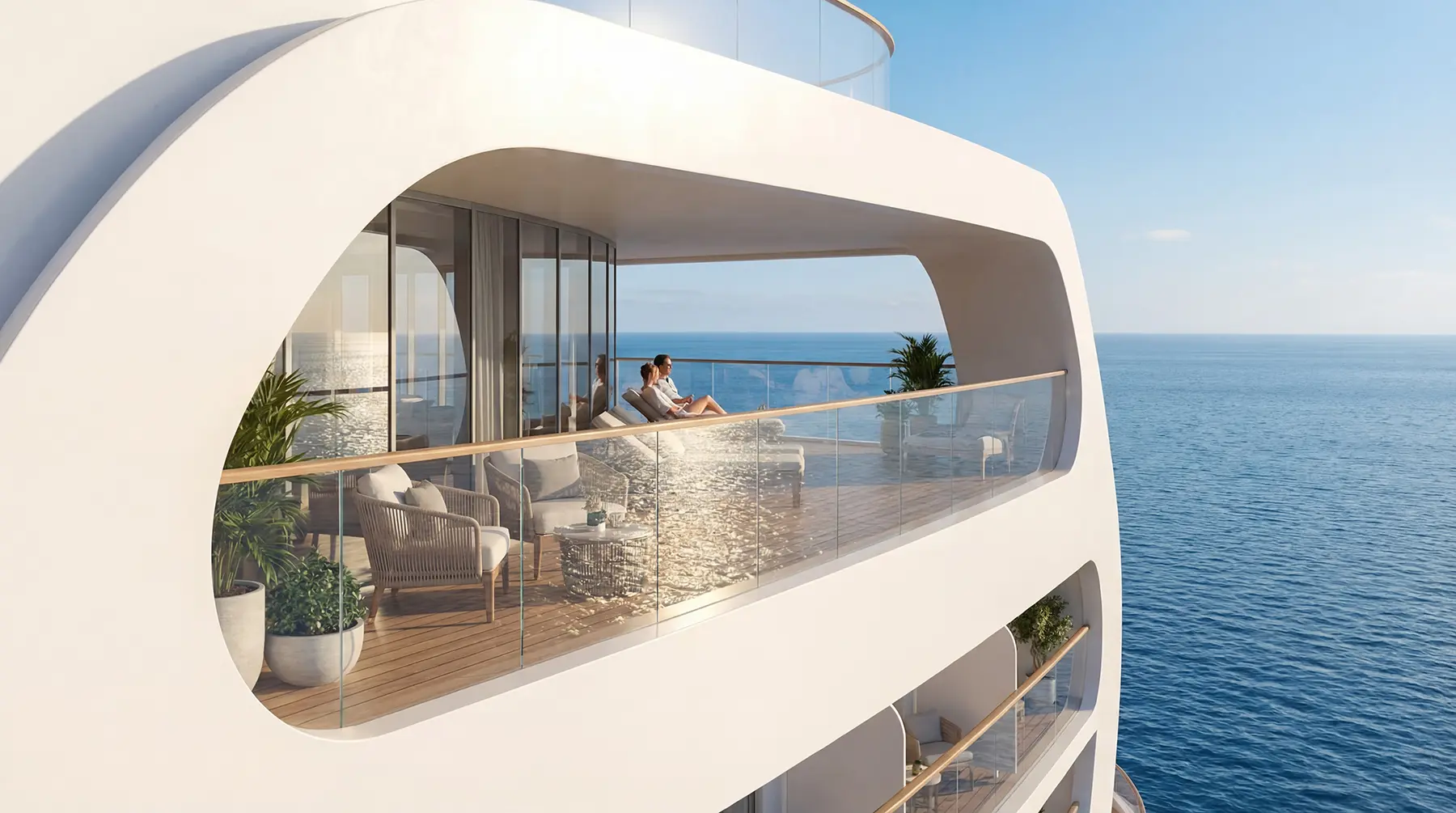
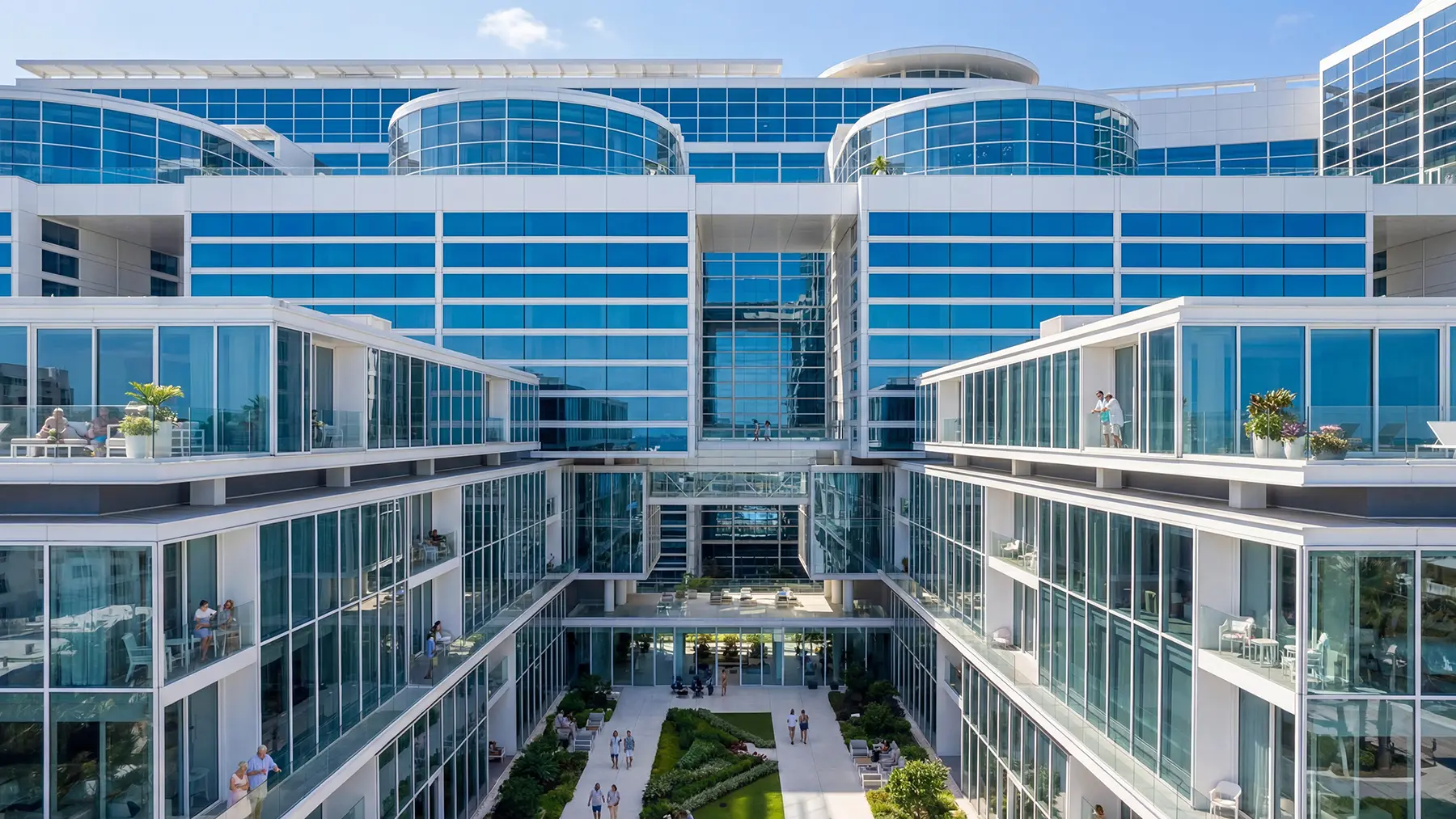
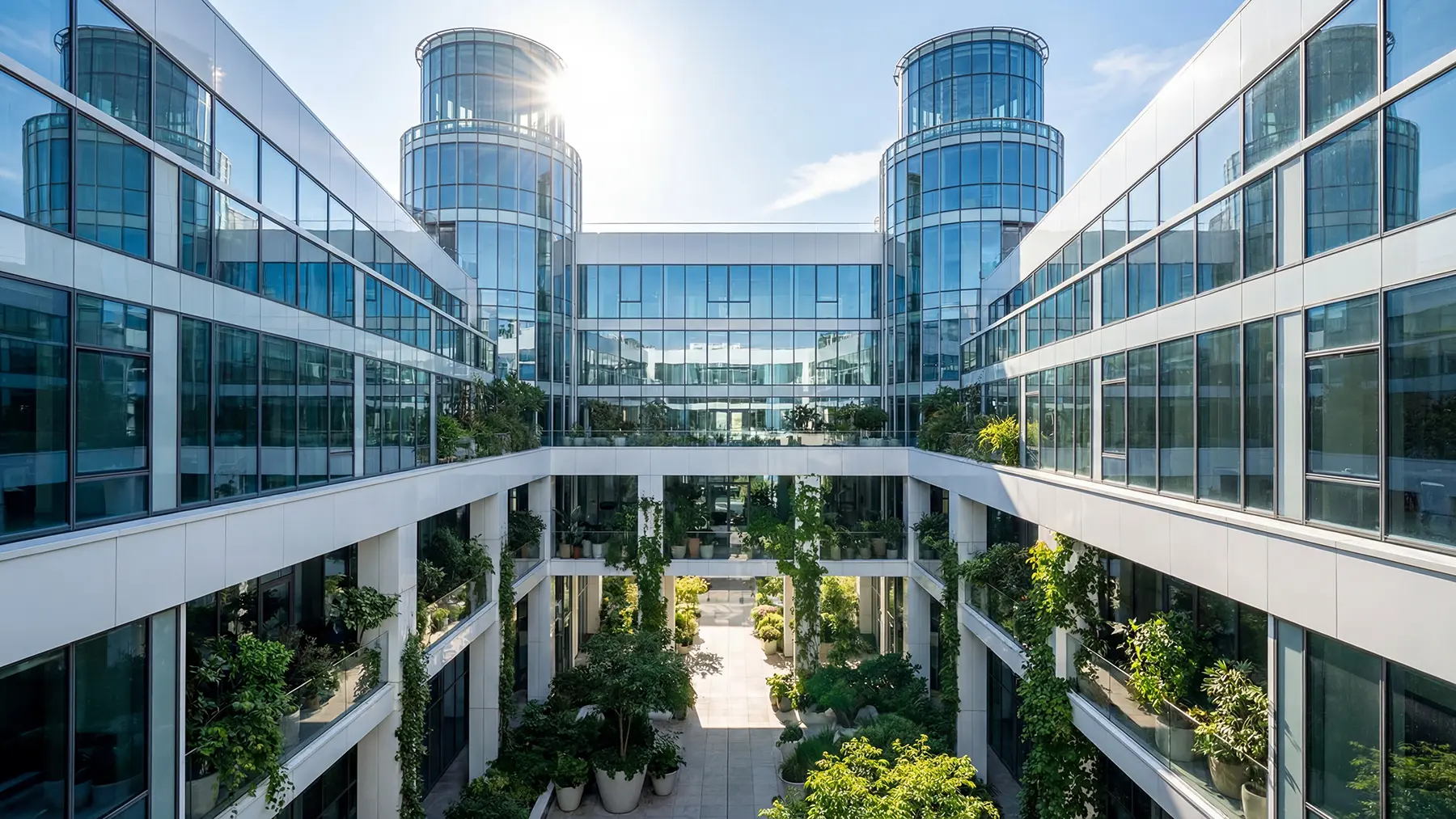
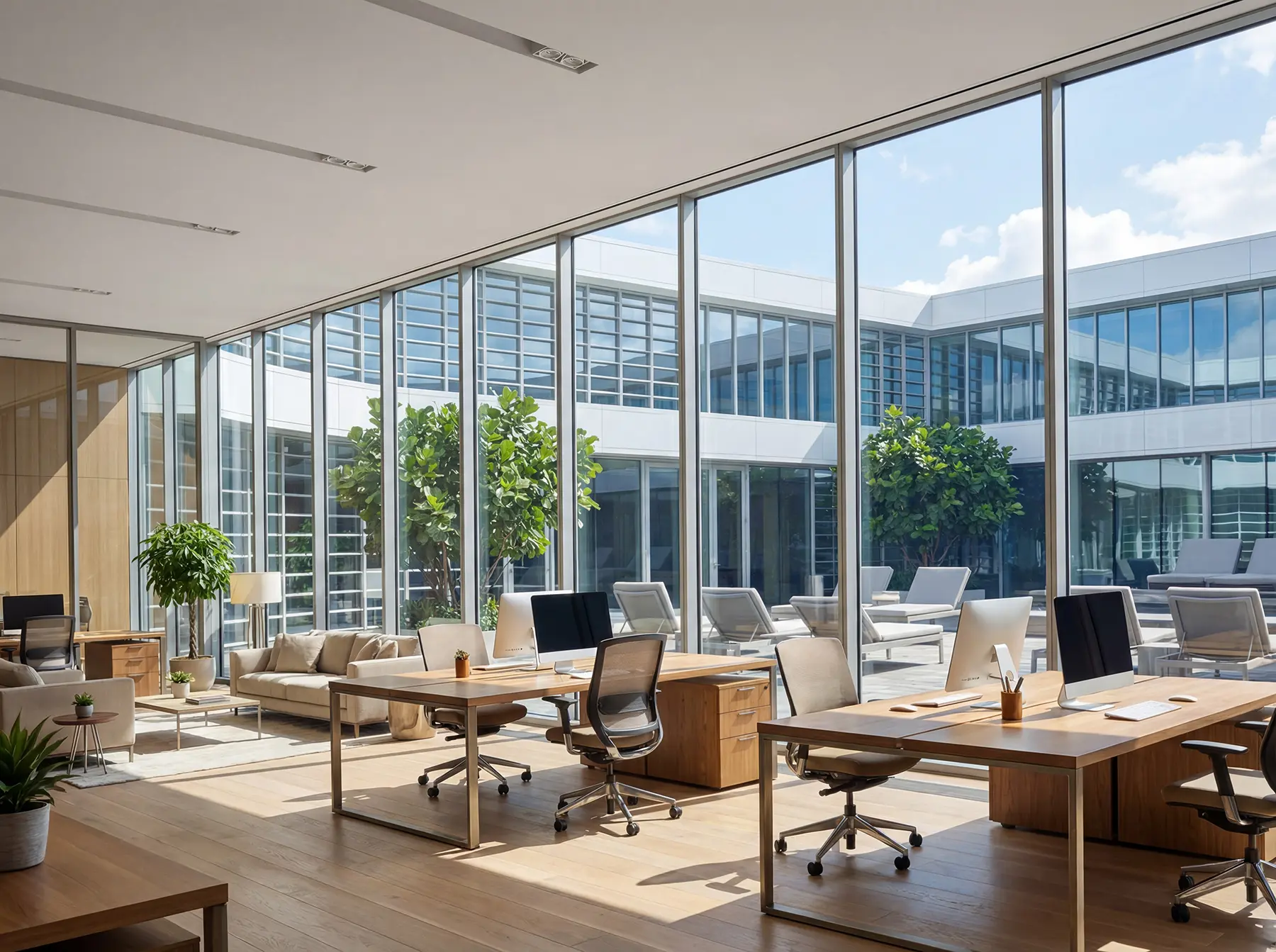
Natural light, views, and access to outdoor space are essential. Balconies, promenades, shared courtyards, and terraces provide daily connection to the surrounding environment while maintaining privacy and comfort. The experience is intentionally familiar and grounded.
Residential areas are positioned and engineered to create a stable living environment at sea. Motion, vibration, and noise are managed so daily life remains calm and predictable. Home comes first; movement recedes into the background.
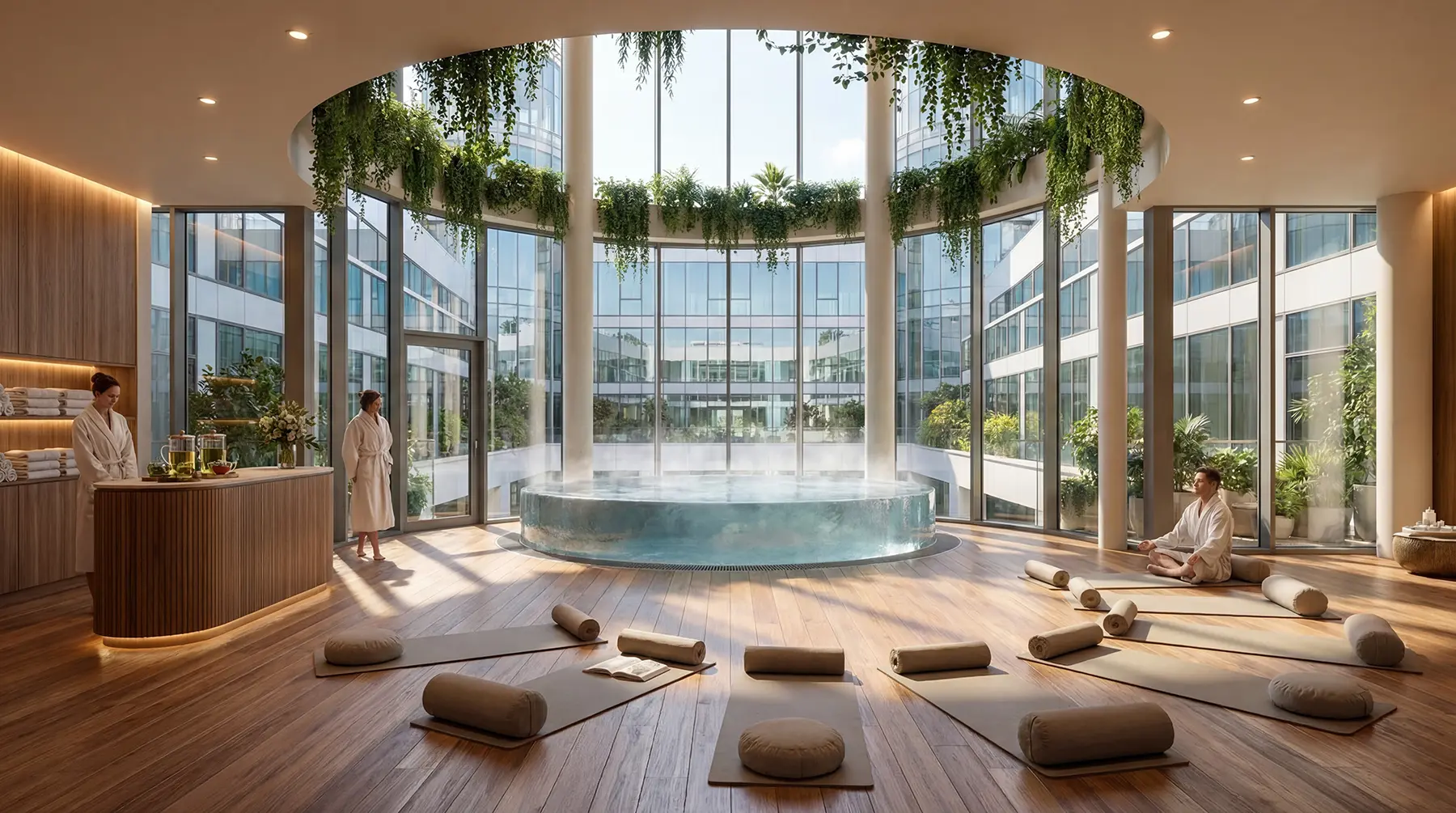
Privacy and community are balanced carefully. Homes provide personal retreat, while shared spaces support informal interaction shaped by daily routines. Over time, these repeated, ordinary encounters form the foundation of community life.
Living aboard the Freedom Ship is meant to feel normal. Not temporary, not performative, and not exceptional. It is everyday urban life, carried forward into a new setting, designed to endure and adapt over time.