C
u
l
t
u
r
e
Shared Identity and Everyday Expression
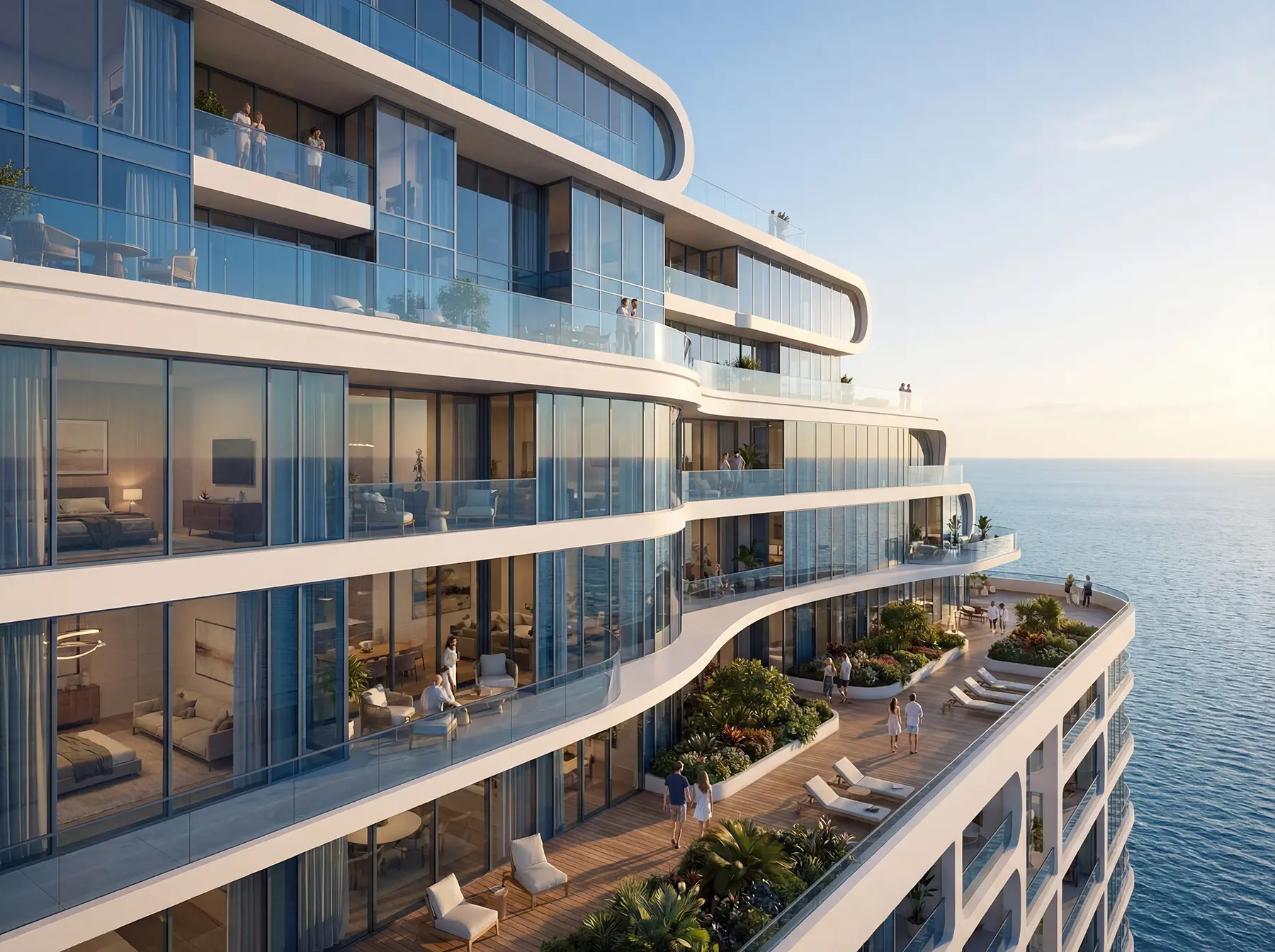
Culture aboard the Freedom Ship emerges from daily life rather than programming. It is shaped by the people who live there, their backgrounds, traditions, and shared experiences over time, rather than by a prescribed identity or theme.
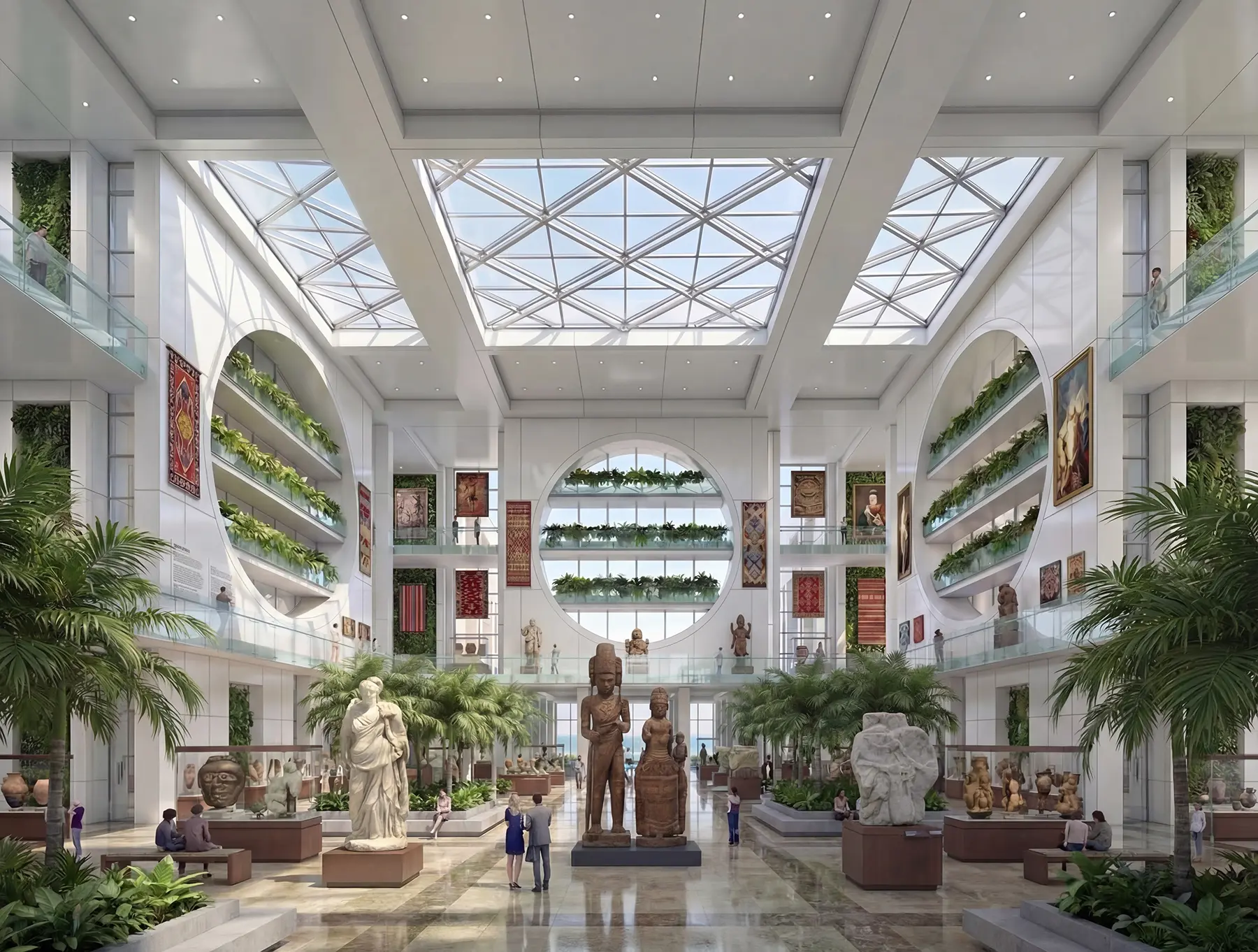
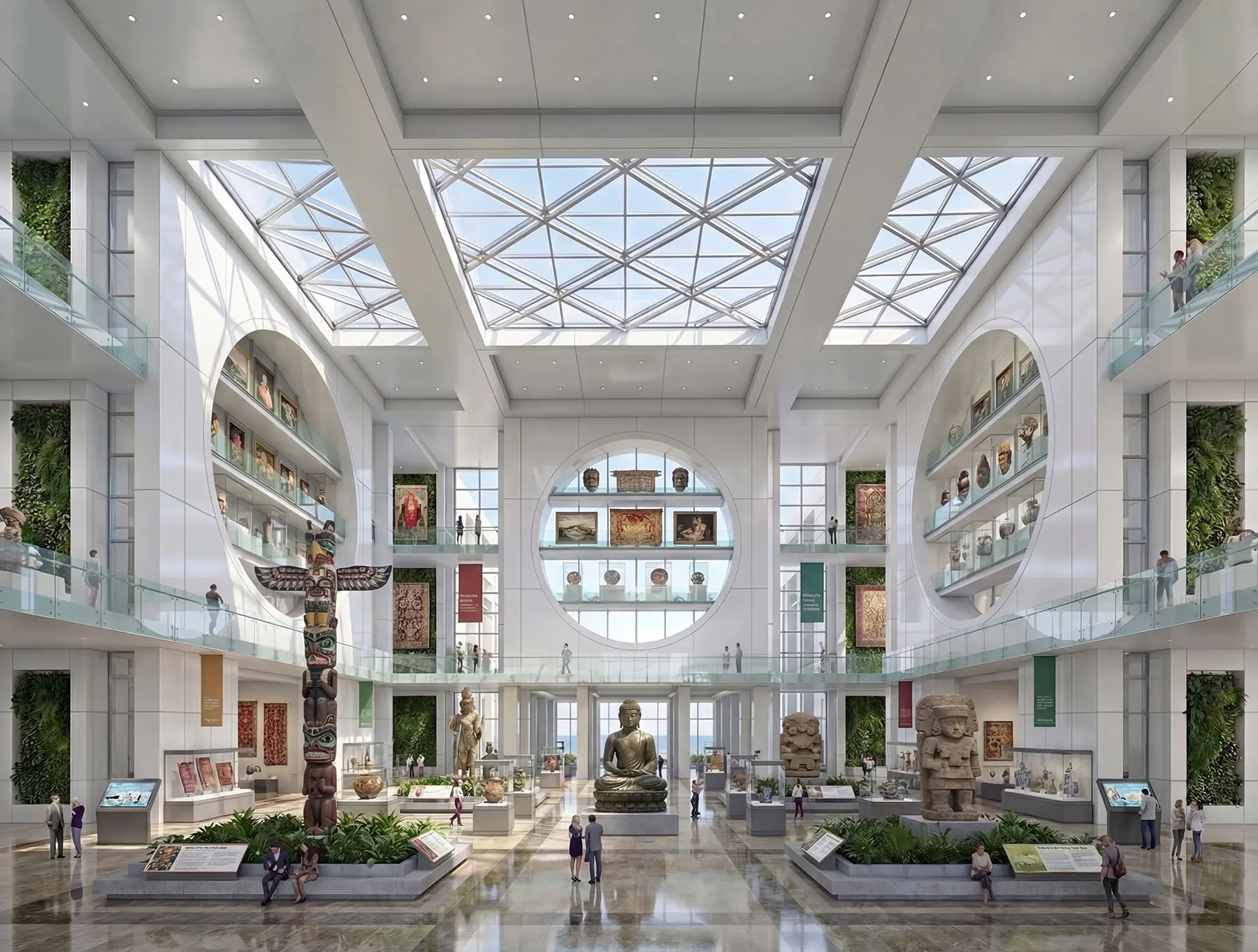
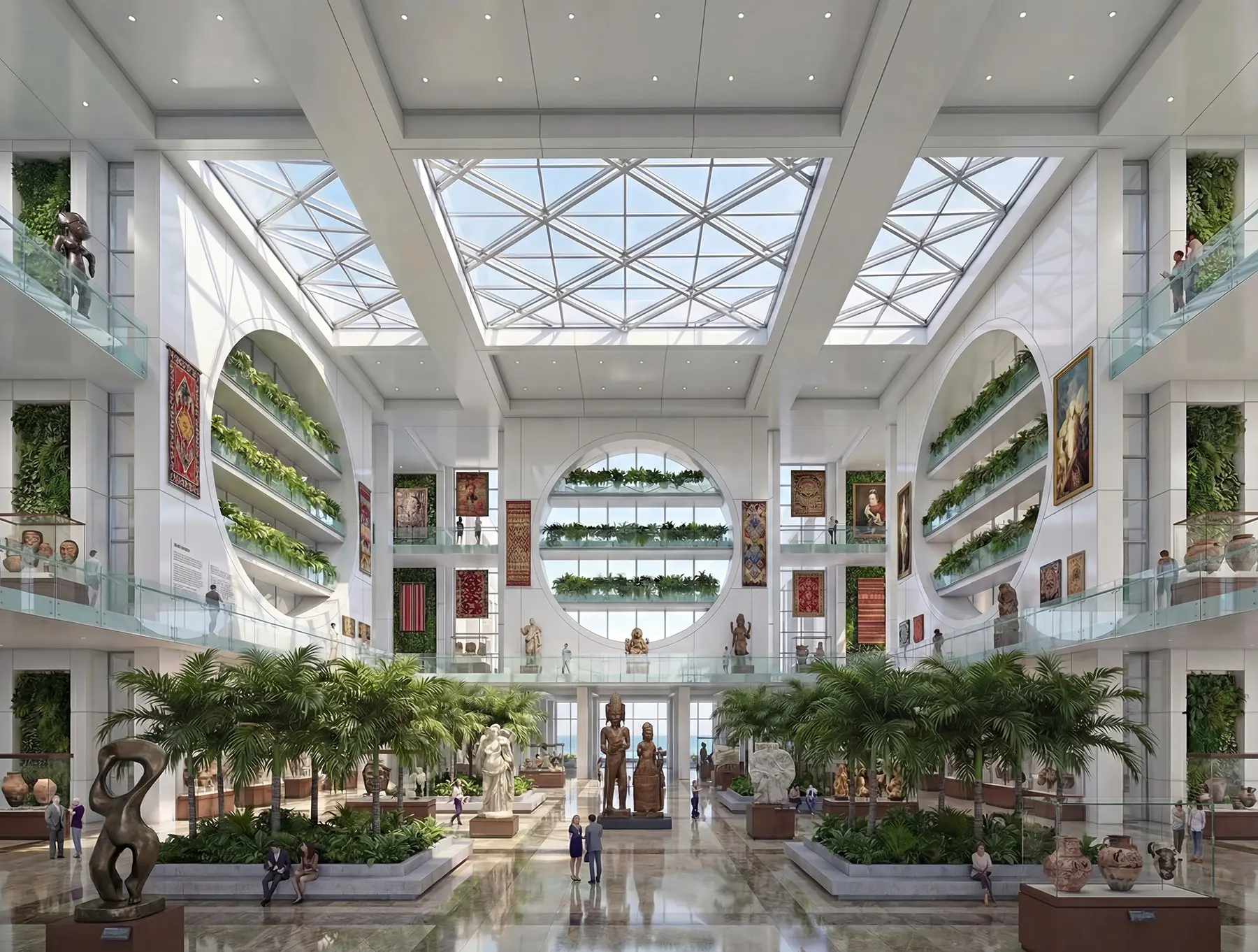
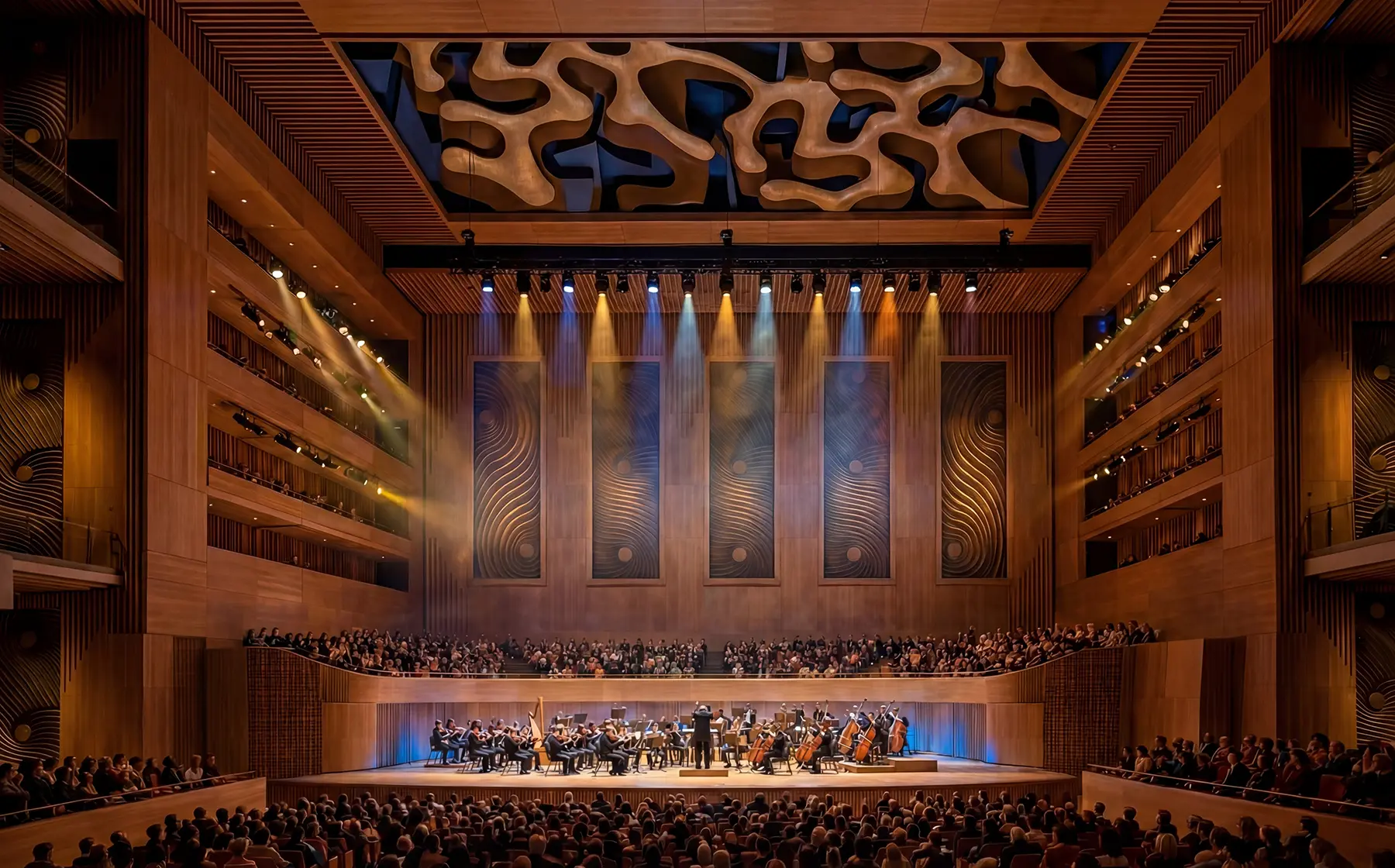
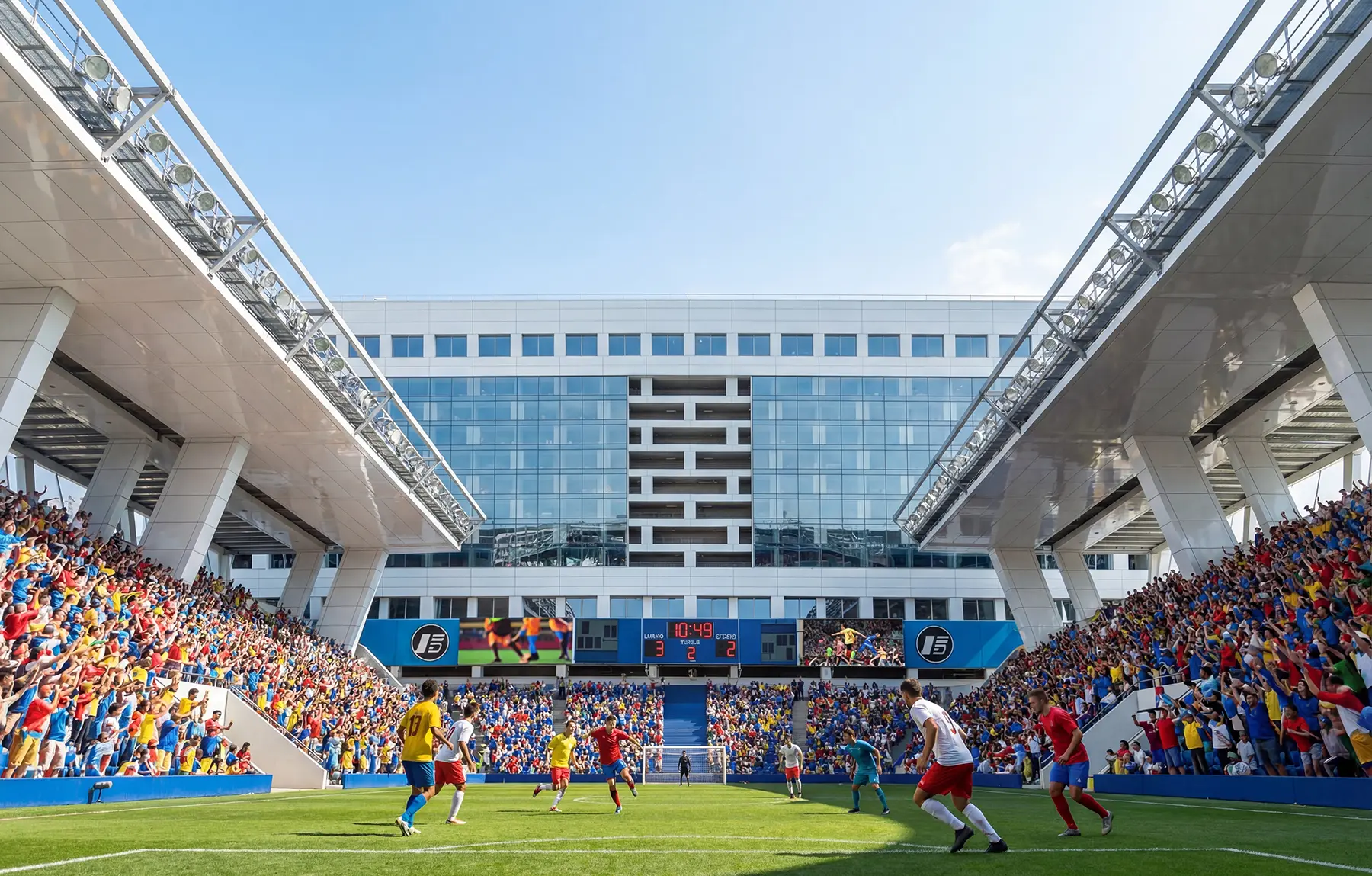
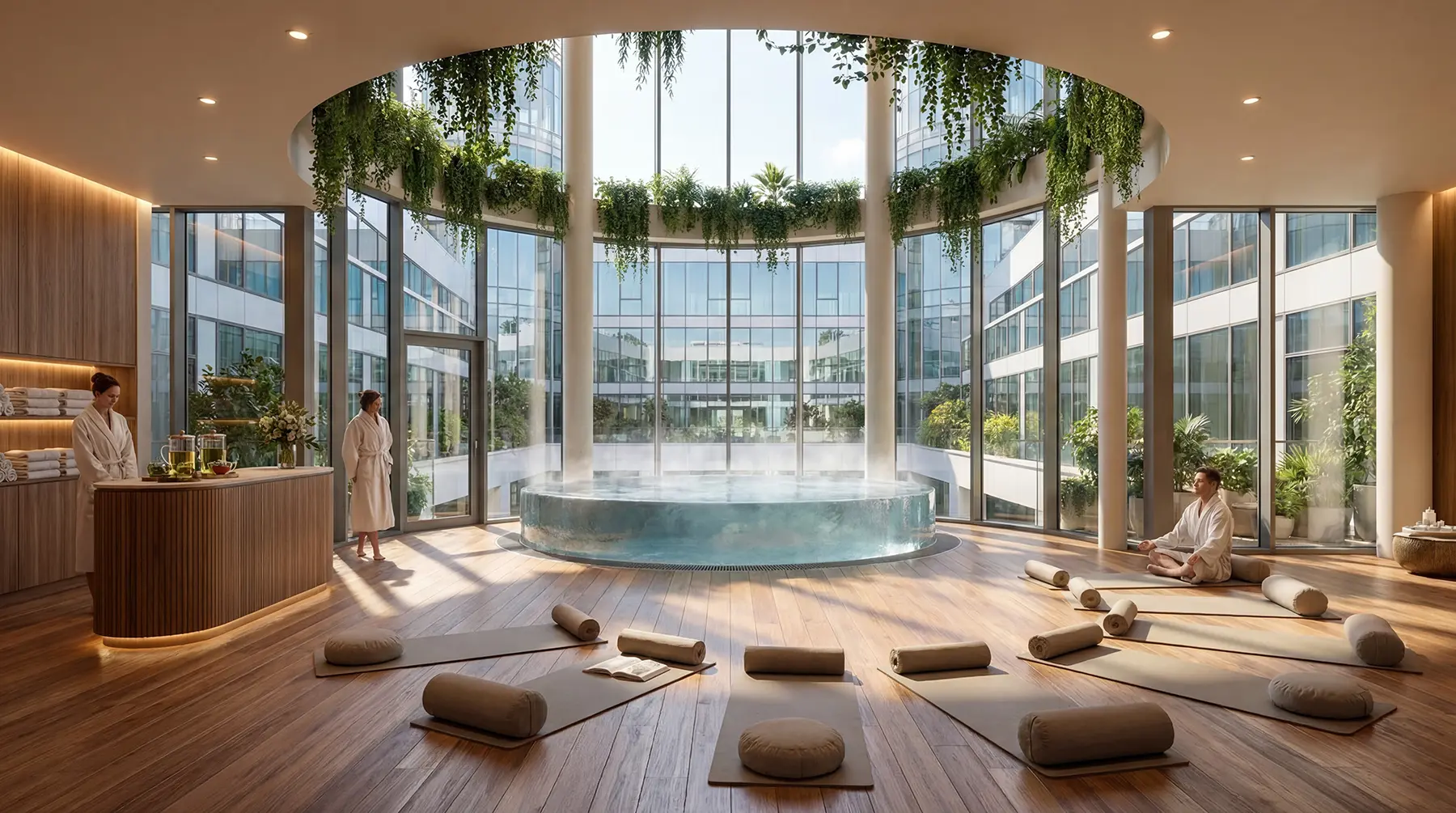
Civic and cultural spaces are woven into the city’s fabric. Libraries, galleries, performance spaces, community halls, and informal gathering places provide settings where ideas are exchanged, creativity is practiced, and collective life takes shape. These spaces support participation rather than spectatorship, encouraging residents to contribute rather than consume.
The Freedom Ship is inherently multicultural. As a permanently mobile city, it brings together people from different regions, professions, and cultural traditions. Design supports this diversity by creating inclusive public spaces that allow multiple forms of expression to coexist without forcing uniformity.
Culture is not treated as an attraction or a statement. It develops through routine—neighbors meeting, local events repeating, shared customs forming gradually. Over time, these small, familiar moments create continuity and a sense of belonging that does not depend on geography.
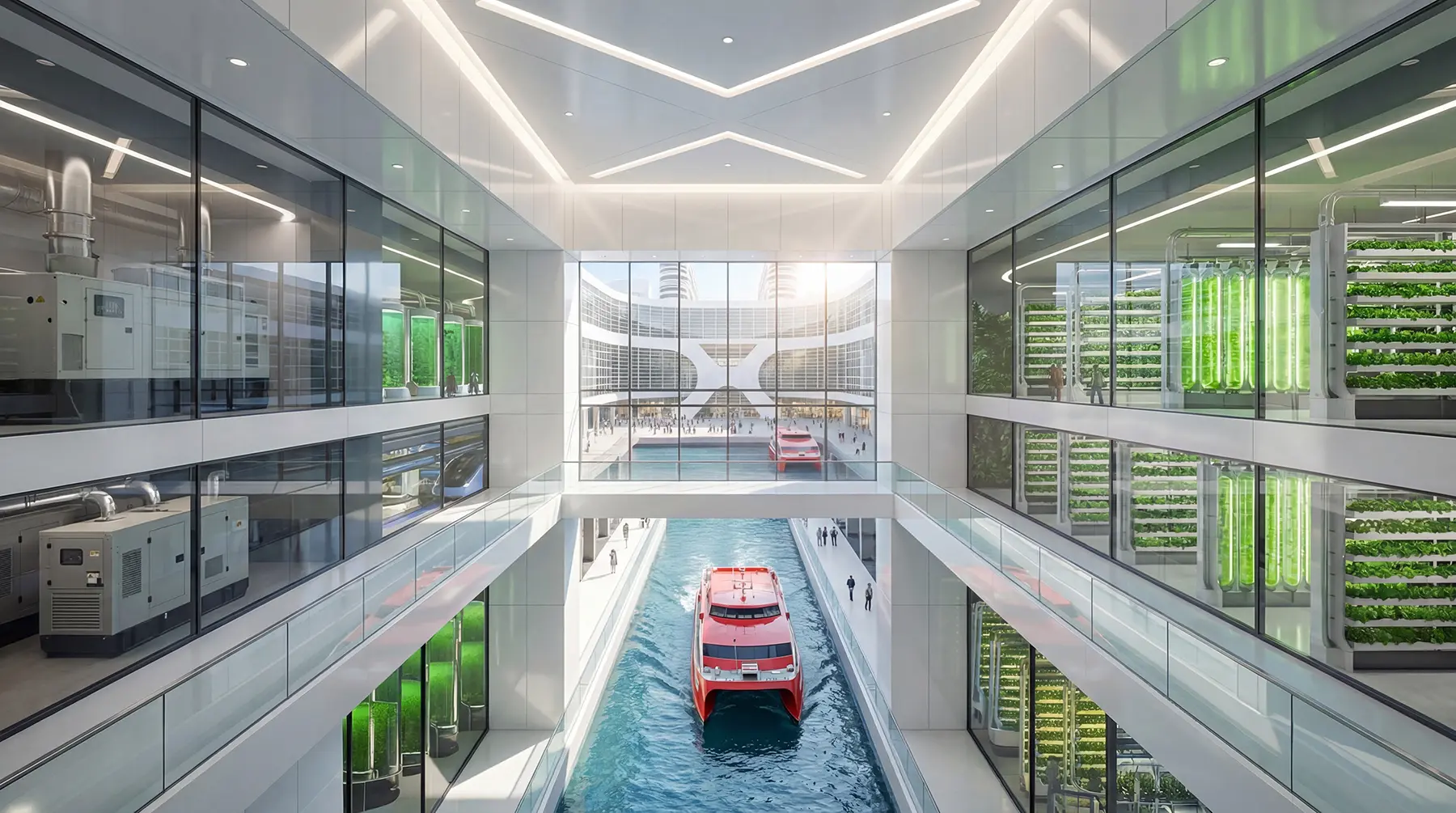
As the city moves, cultural life gains depth rather than disruption. Exposure to different regions and ports adds context and influence, but the cultural identity of the Freedom Ship remains grounded in its community. Home stays constant, even as surroundings change.
Culture aboard the Freedom Ship is lived rather than displayed. It is ordinary, evolving, and collective—an expression of a city shaped by its inhabitants over time.