L
e
i
s
u
r
e
Leisure aboard the Freedom Ship is understood as part of daily life, not as entertainment or escape. It reflects how people rest, gather, and spend time together in a functioning city, shaped by routine rather than novelty.
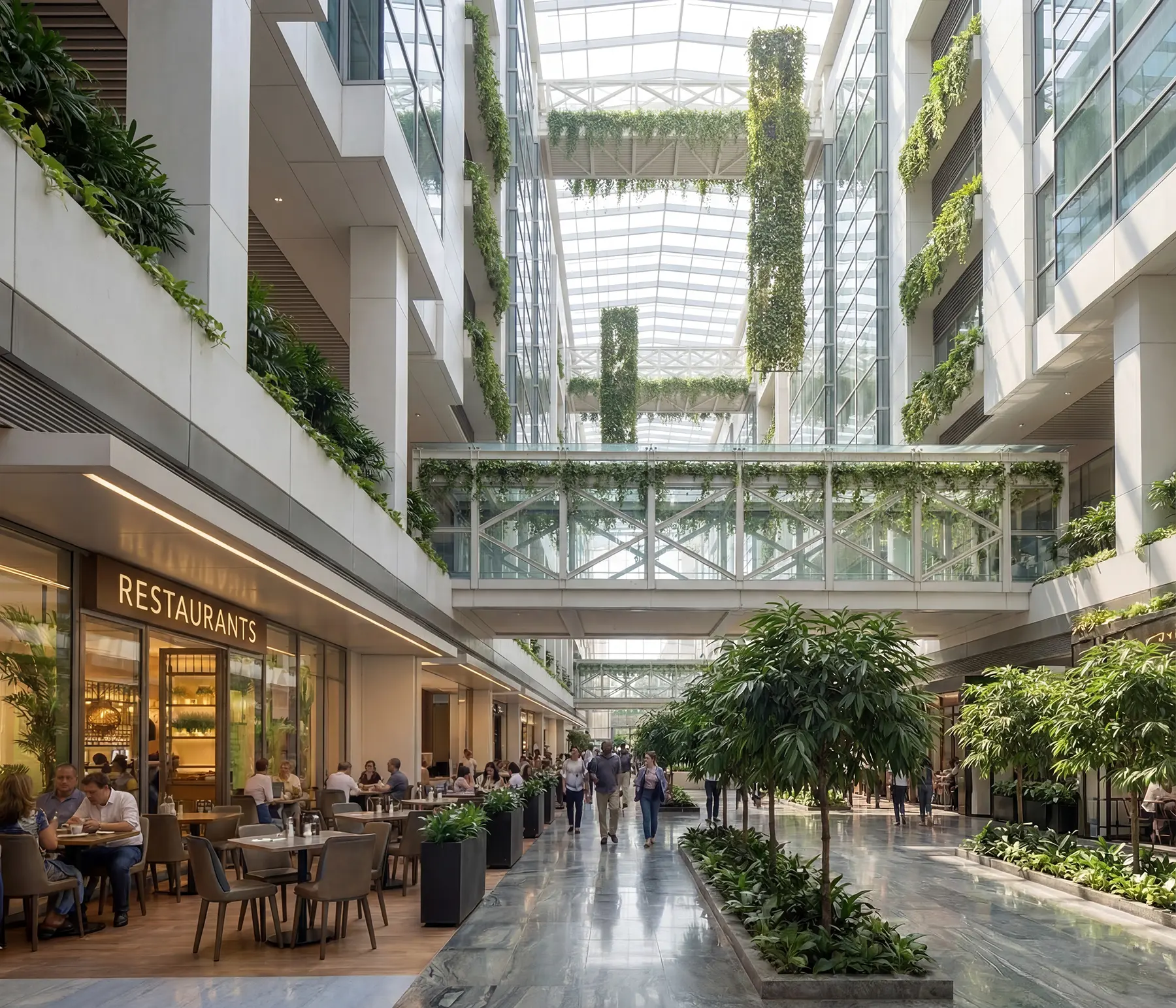
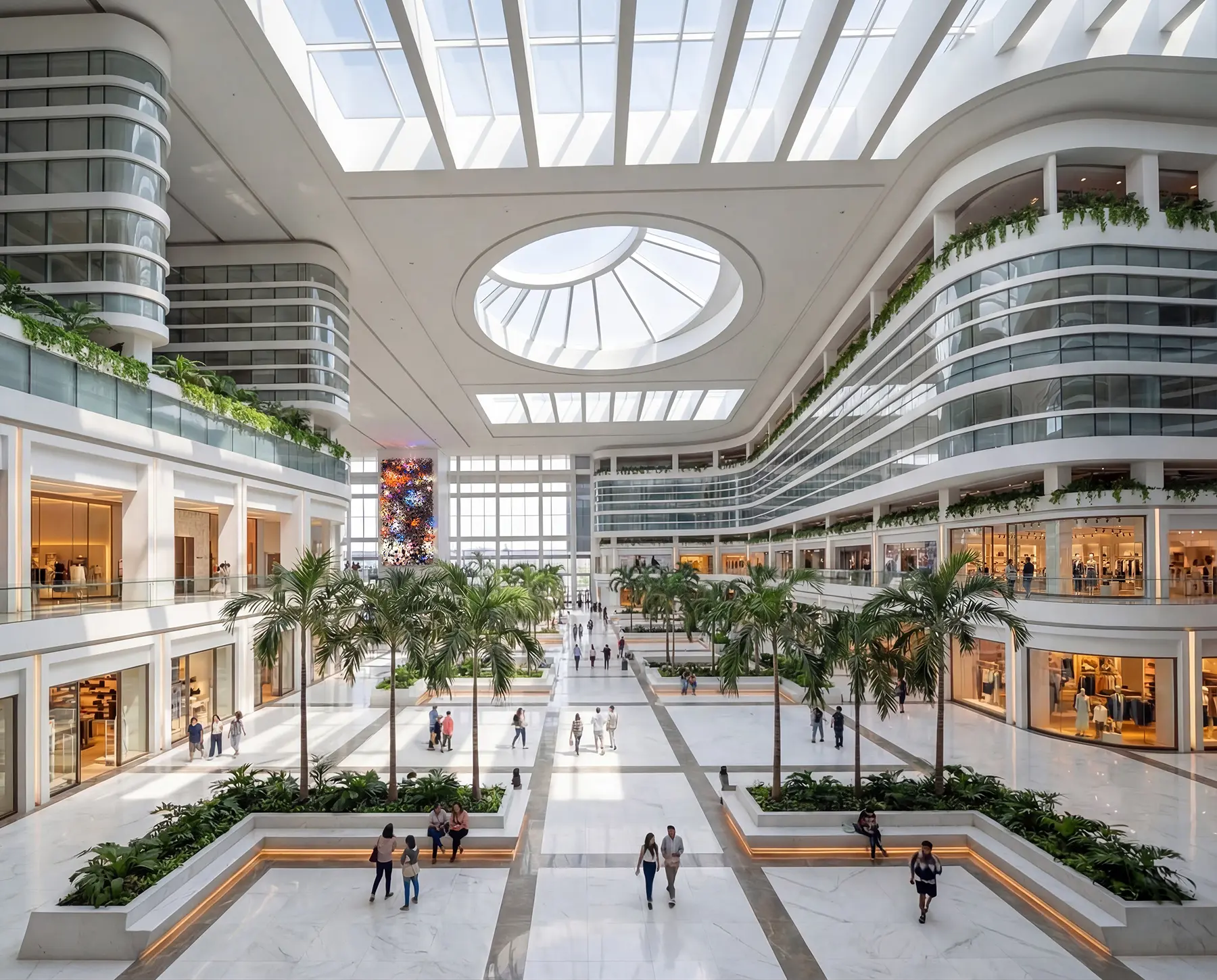
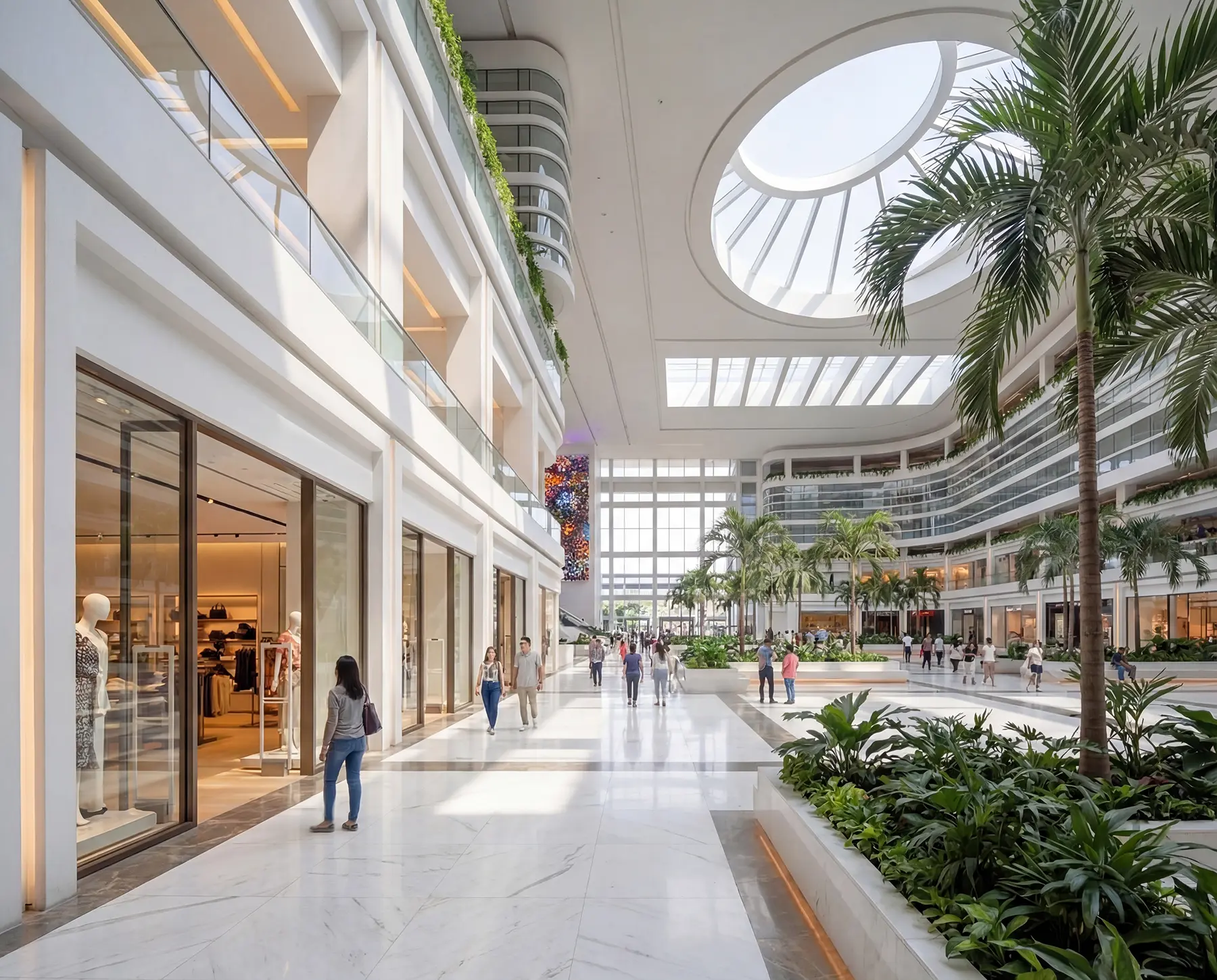
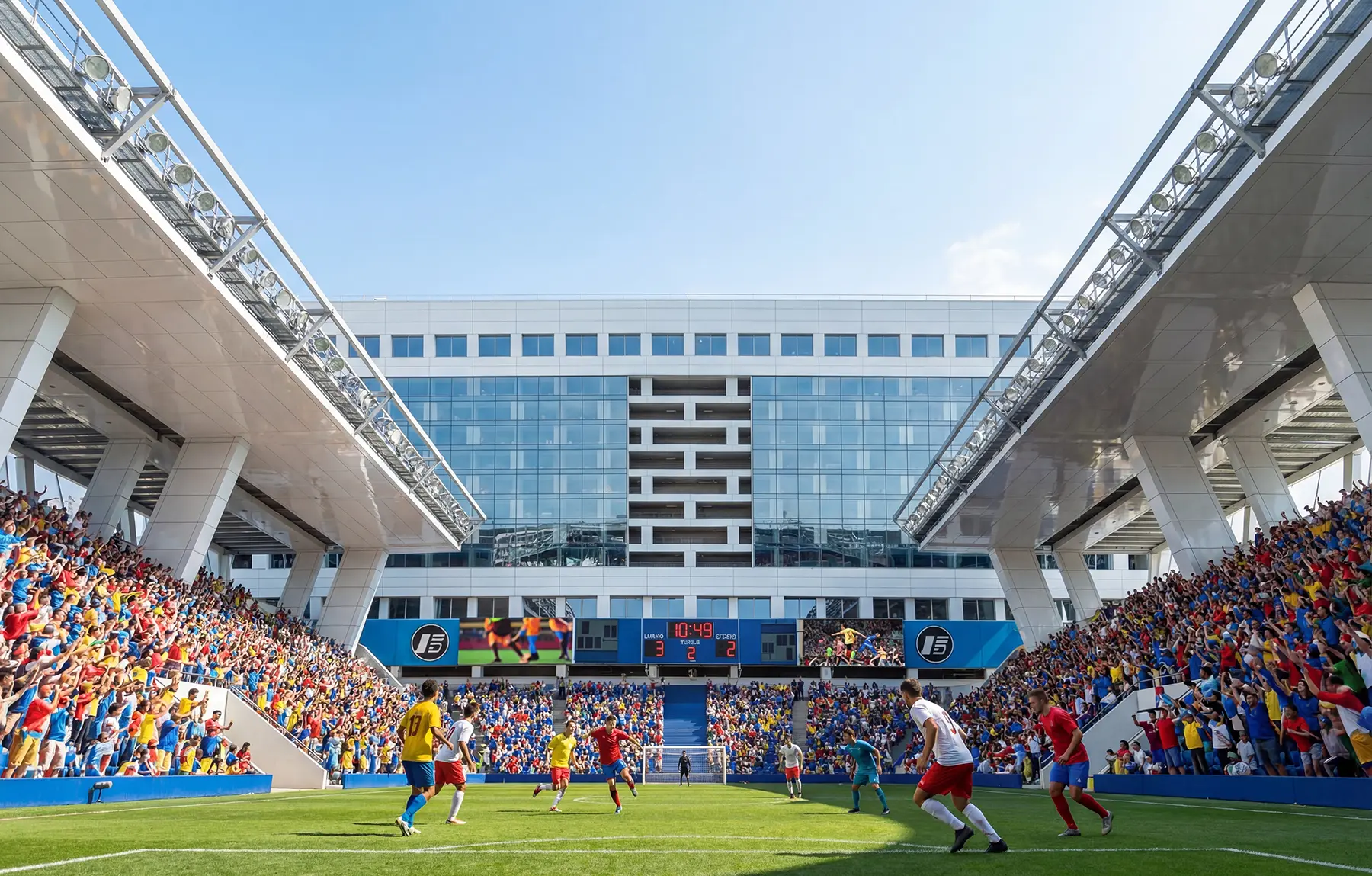
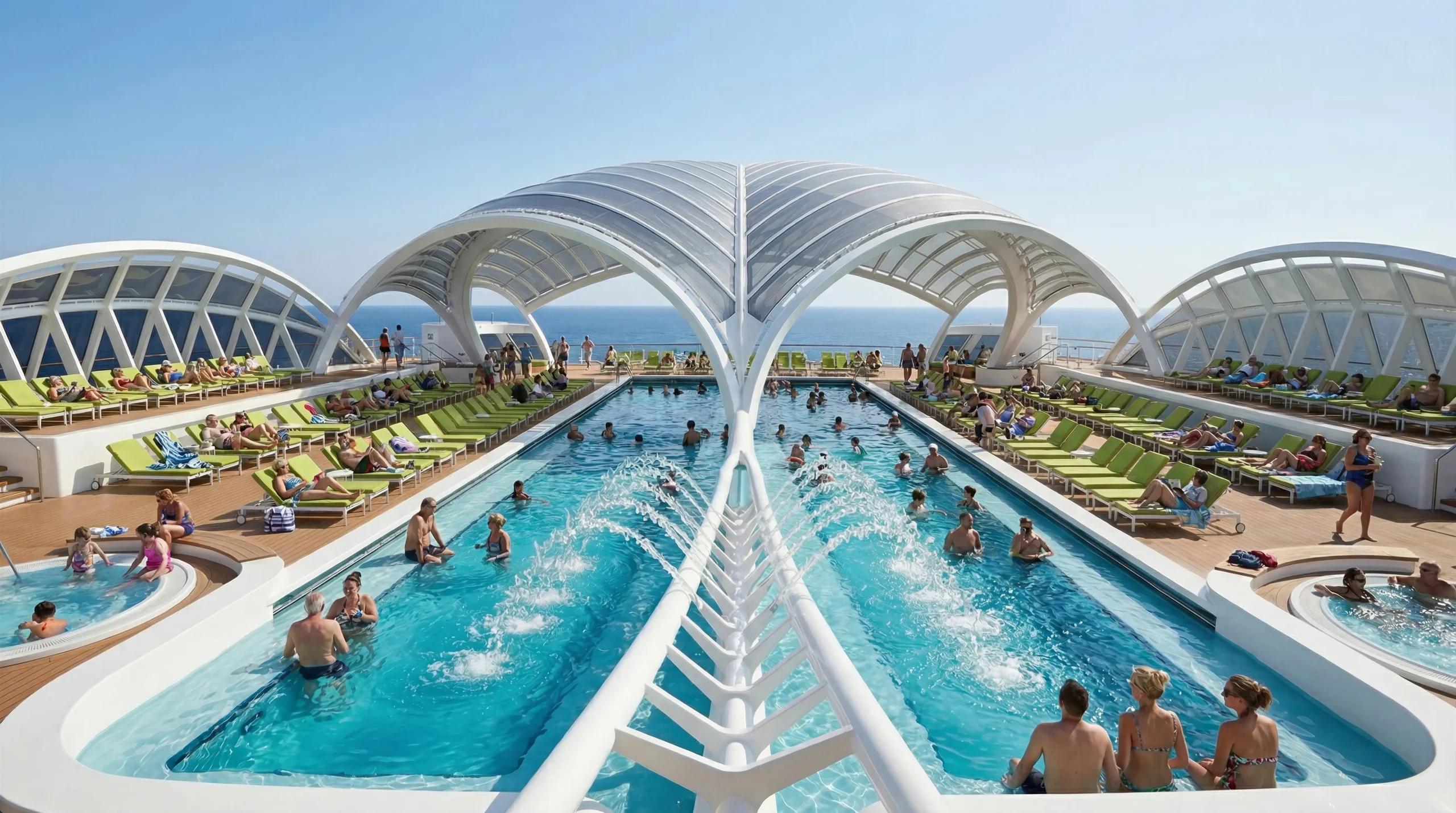
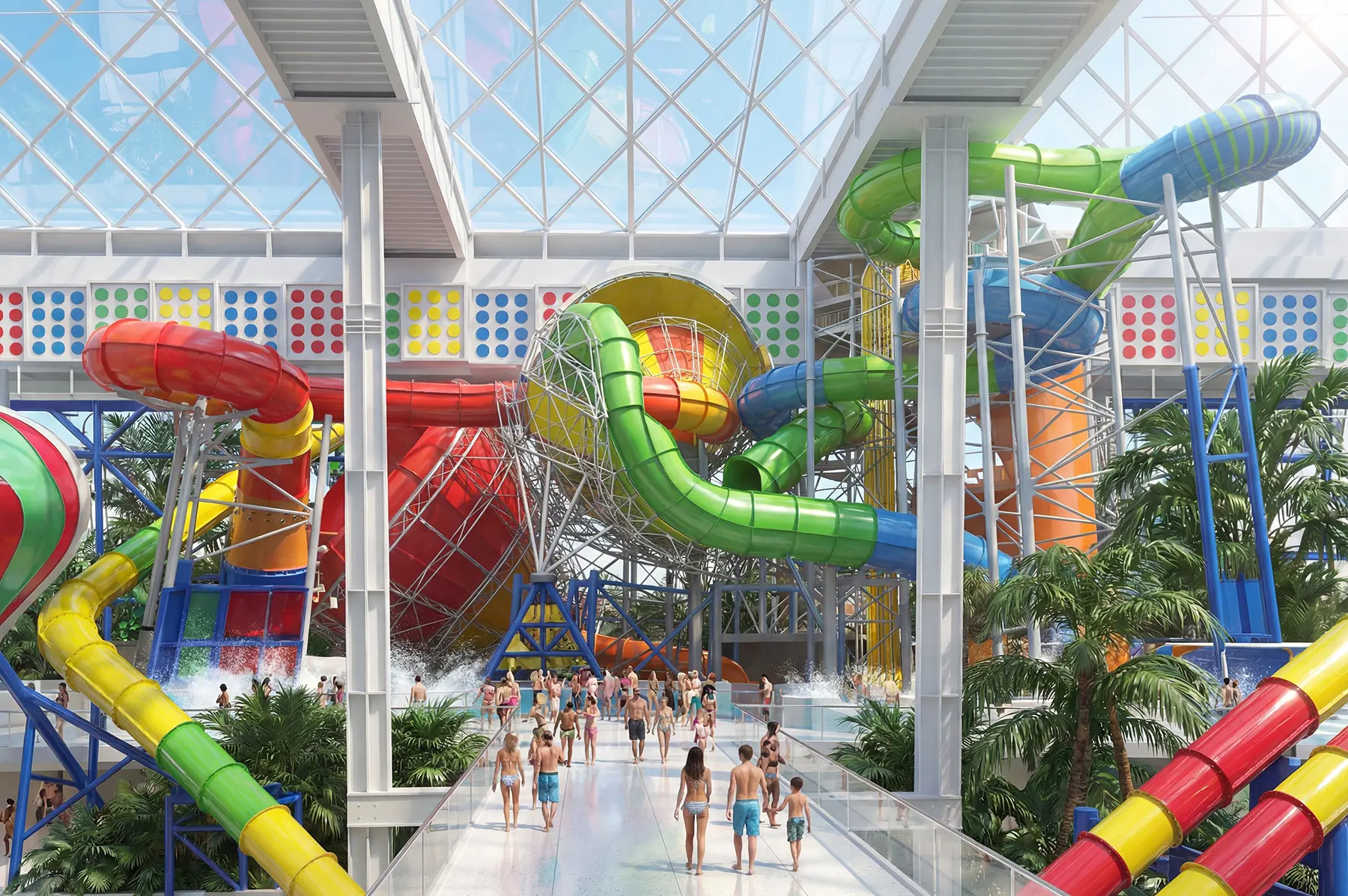
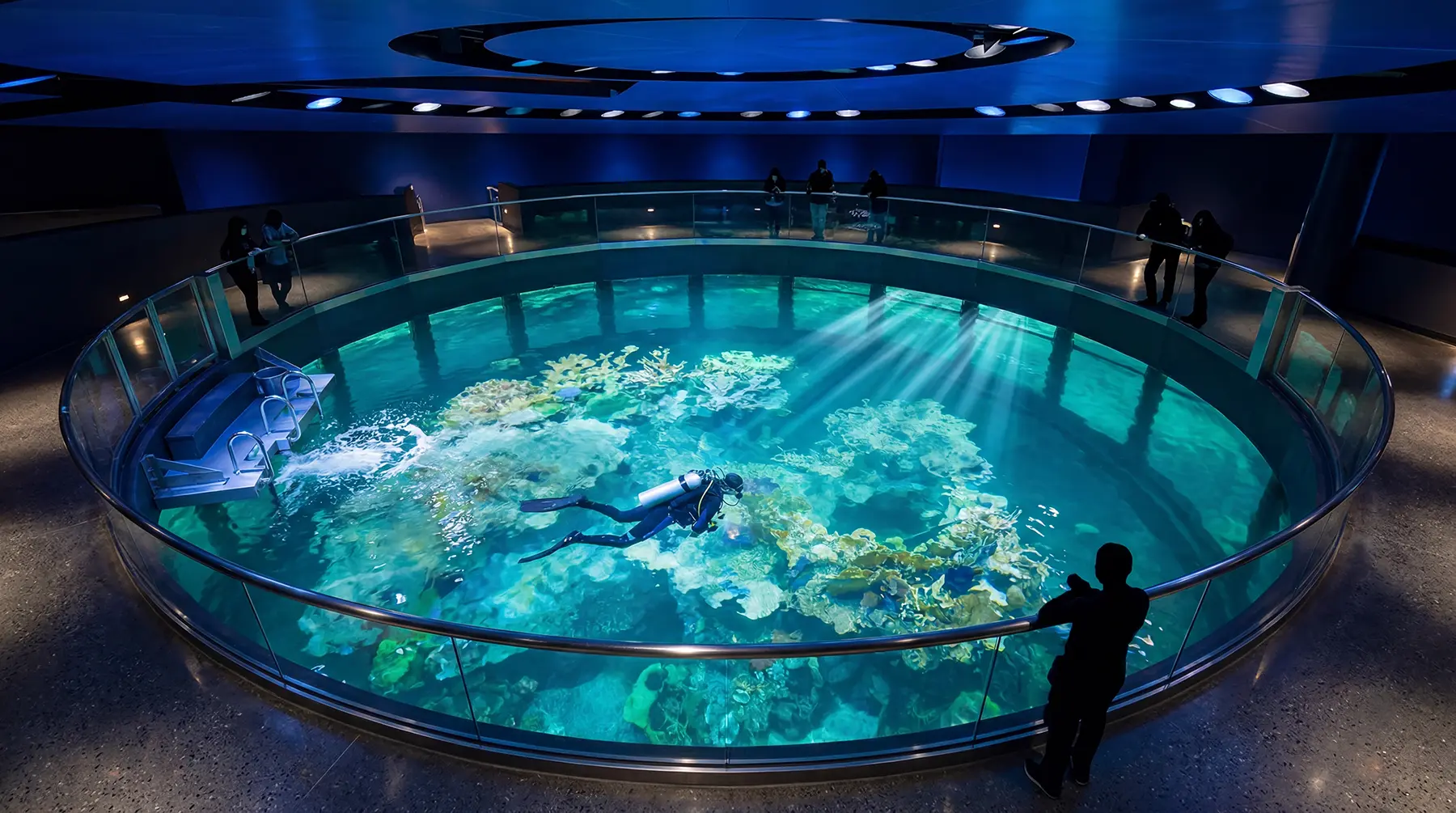
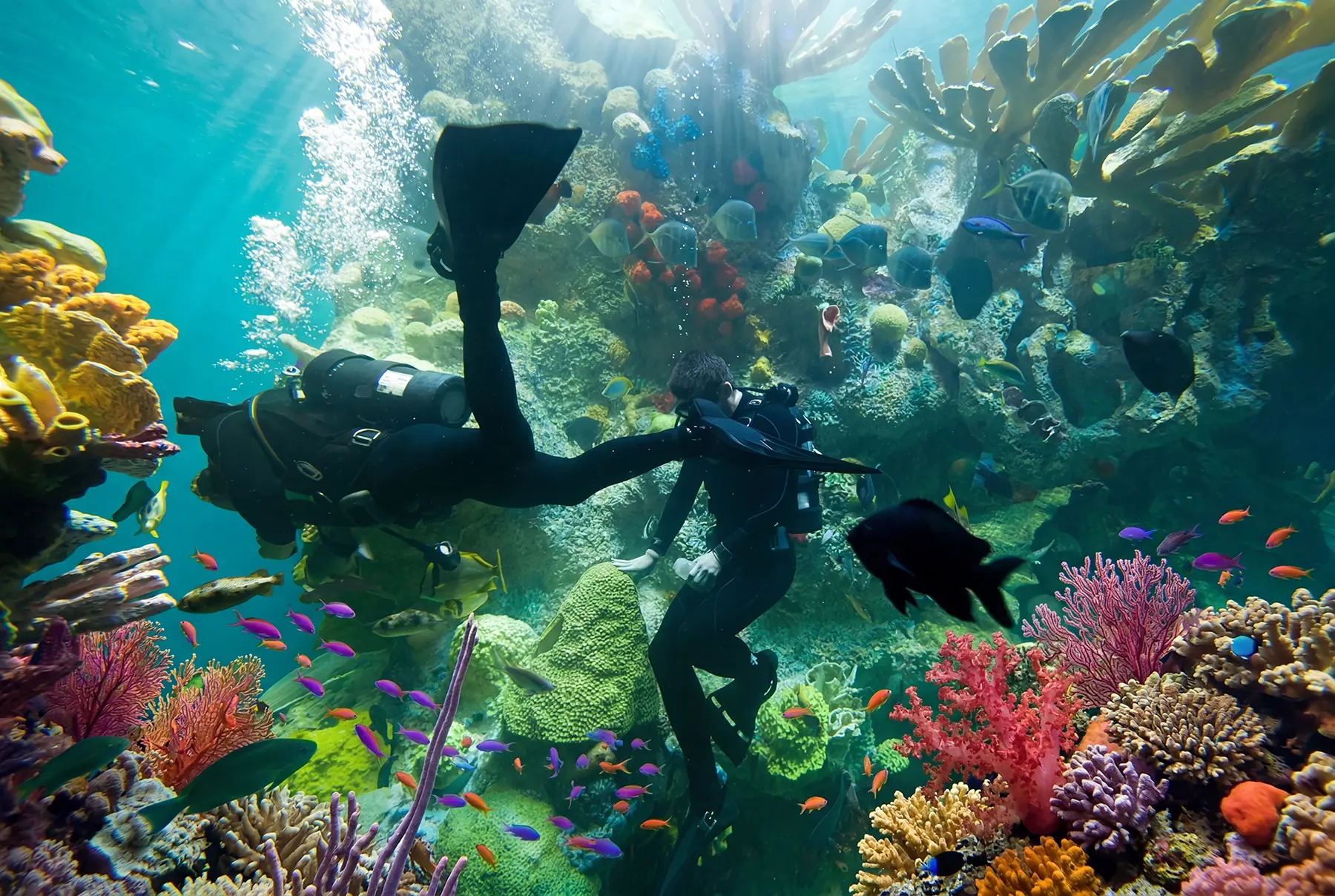
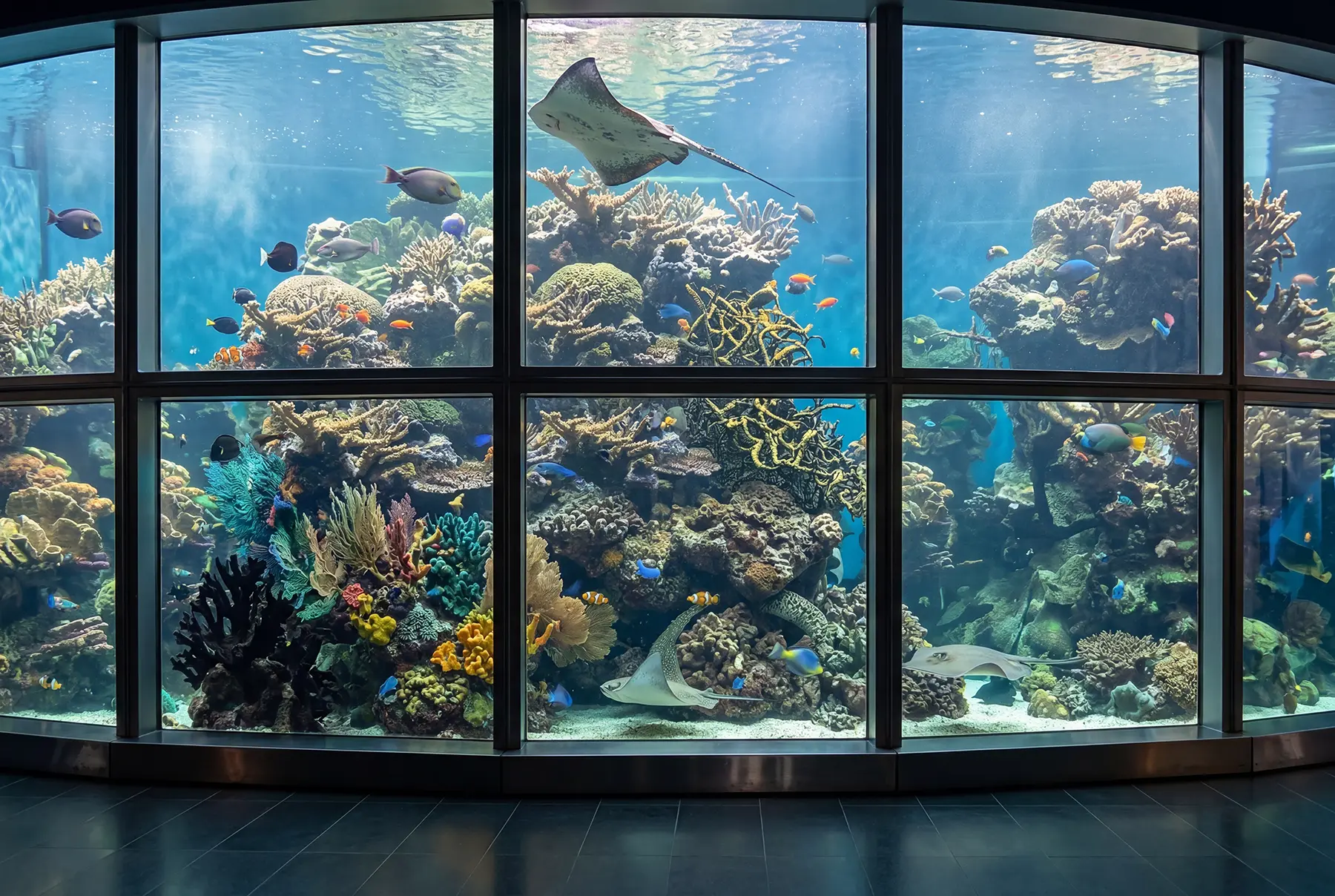
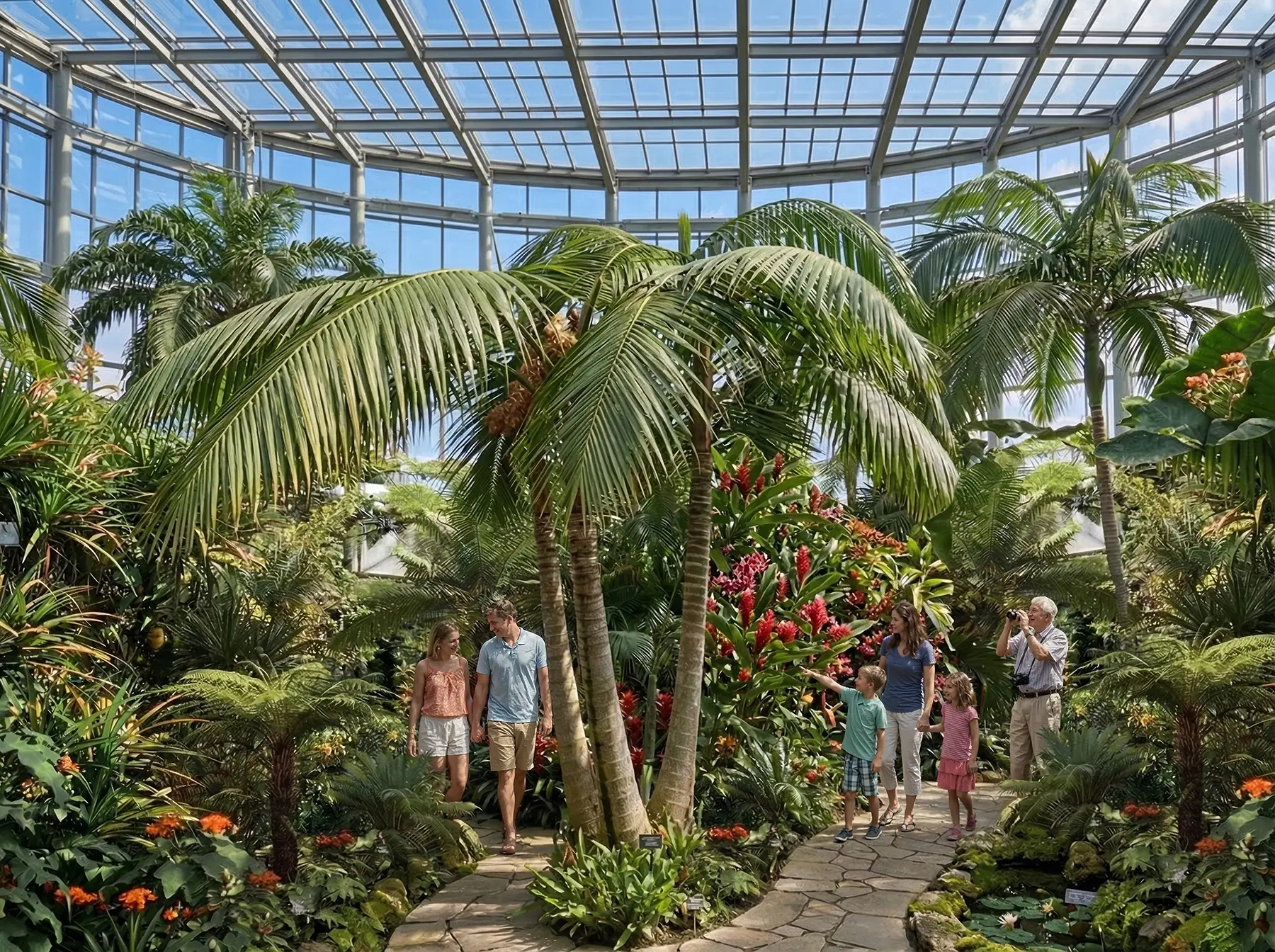
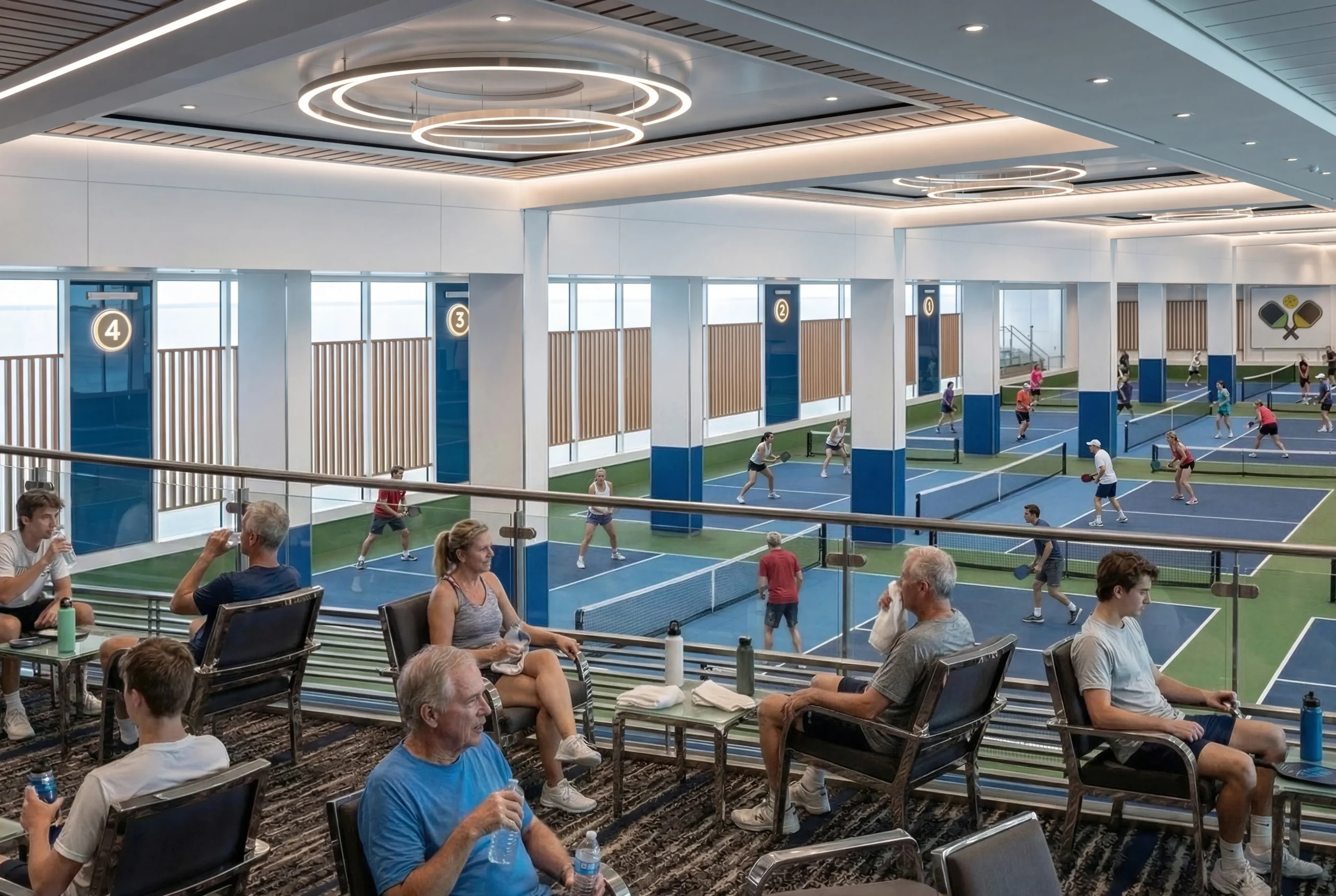
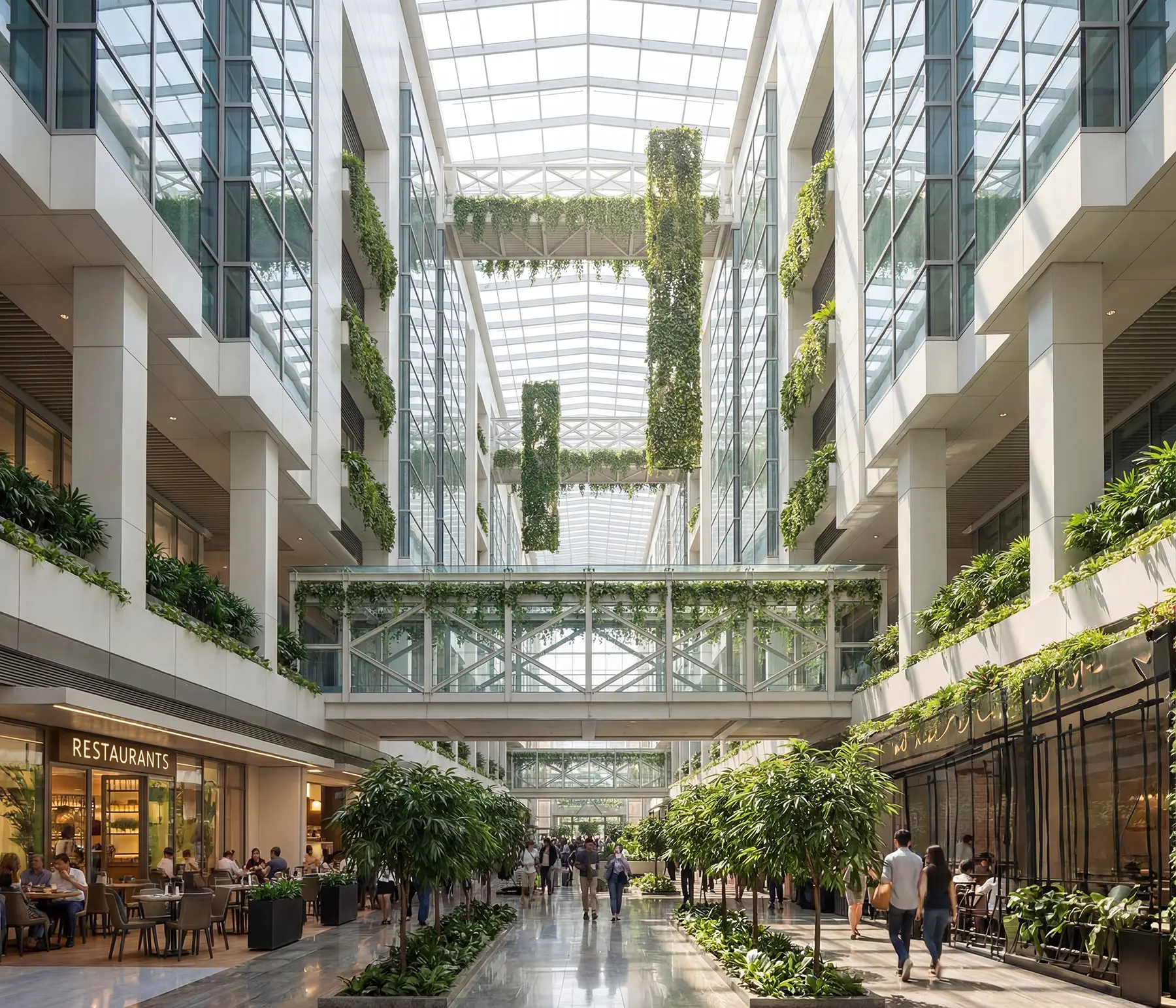
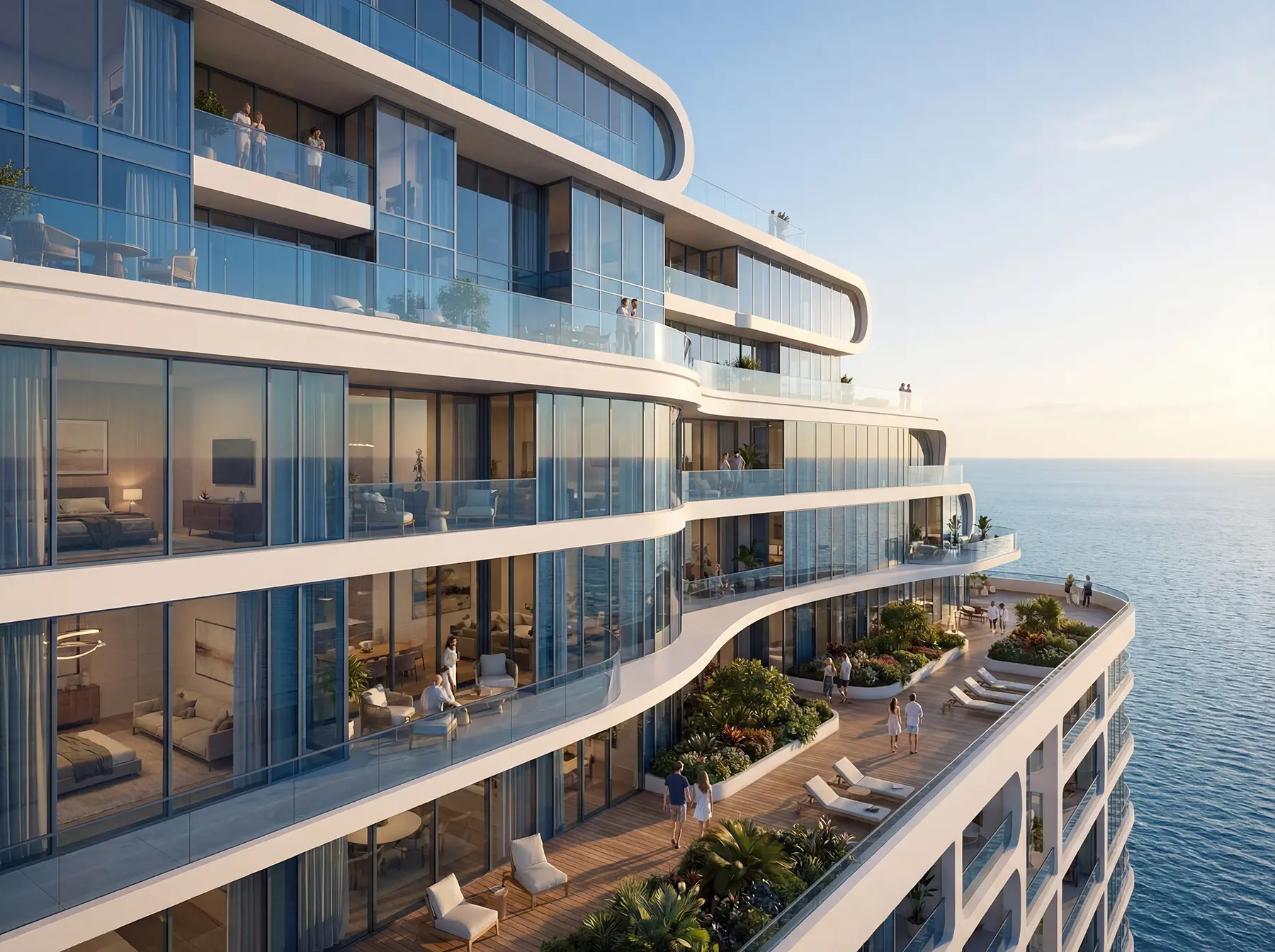
Recreational spaces are distributed throughout the city and integrated into neighborhoods. Parks, promenades, fitness areas, and open spaces are designed for regular use—places people pass through daily, return to often, and come to know over time. These spaces support movement, rest, and informal connection without requiring special occasions.
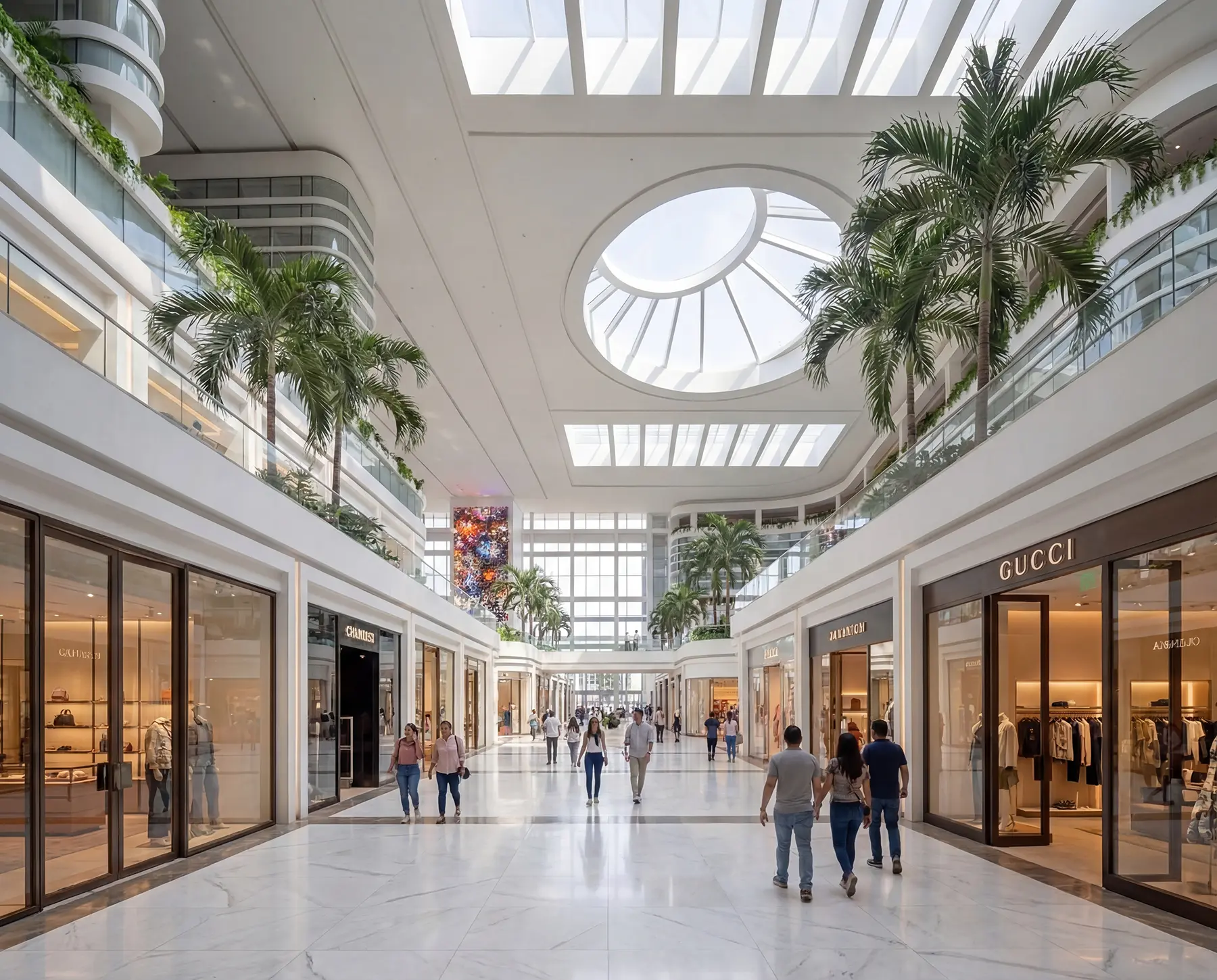
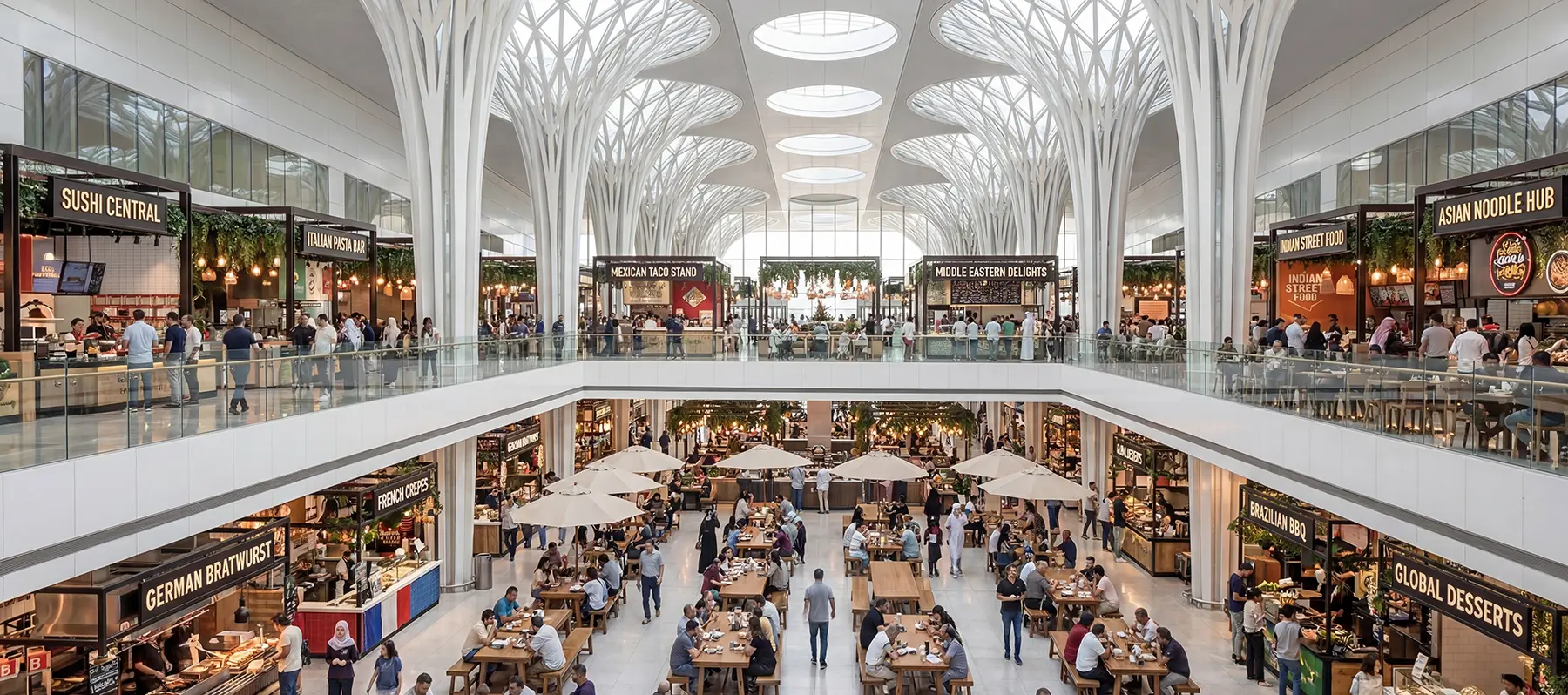
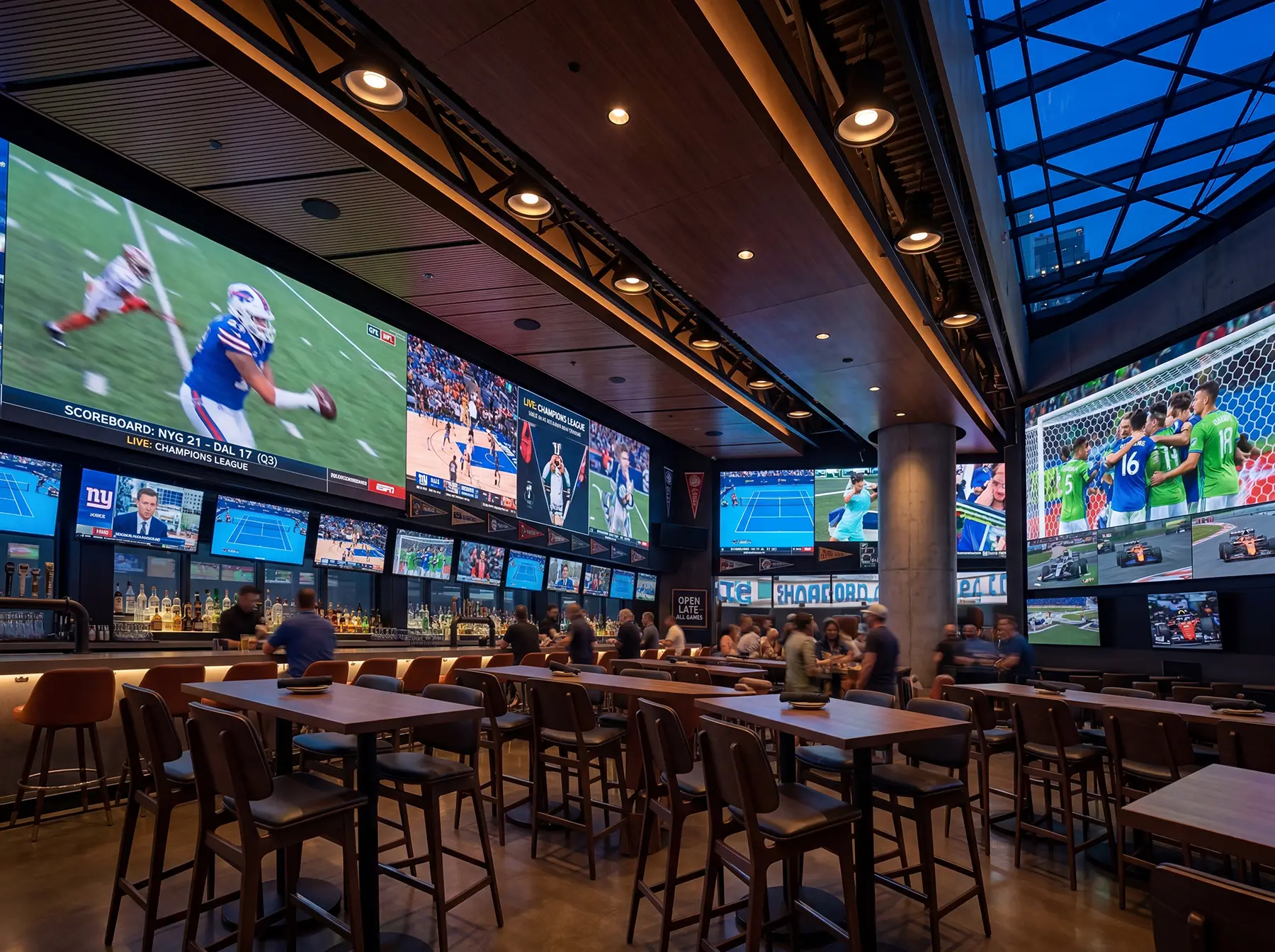
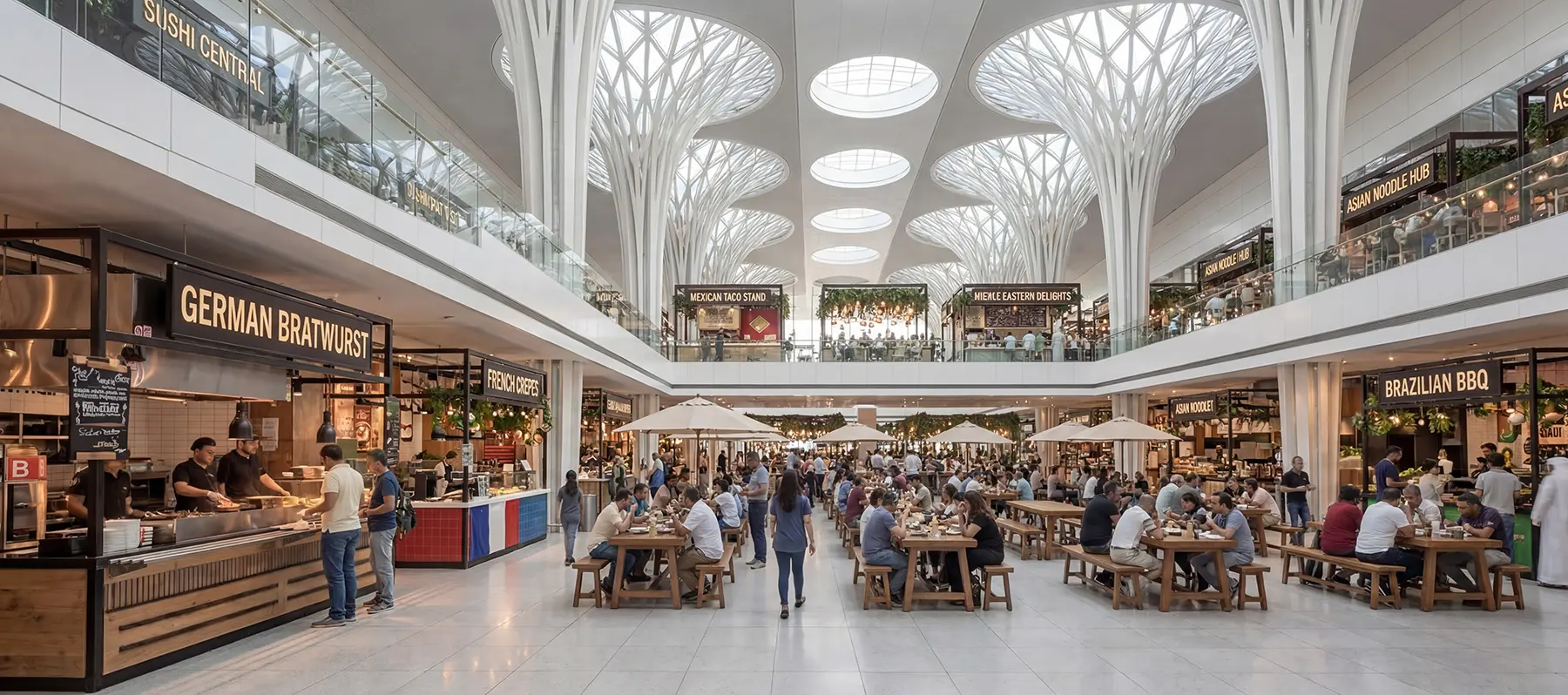
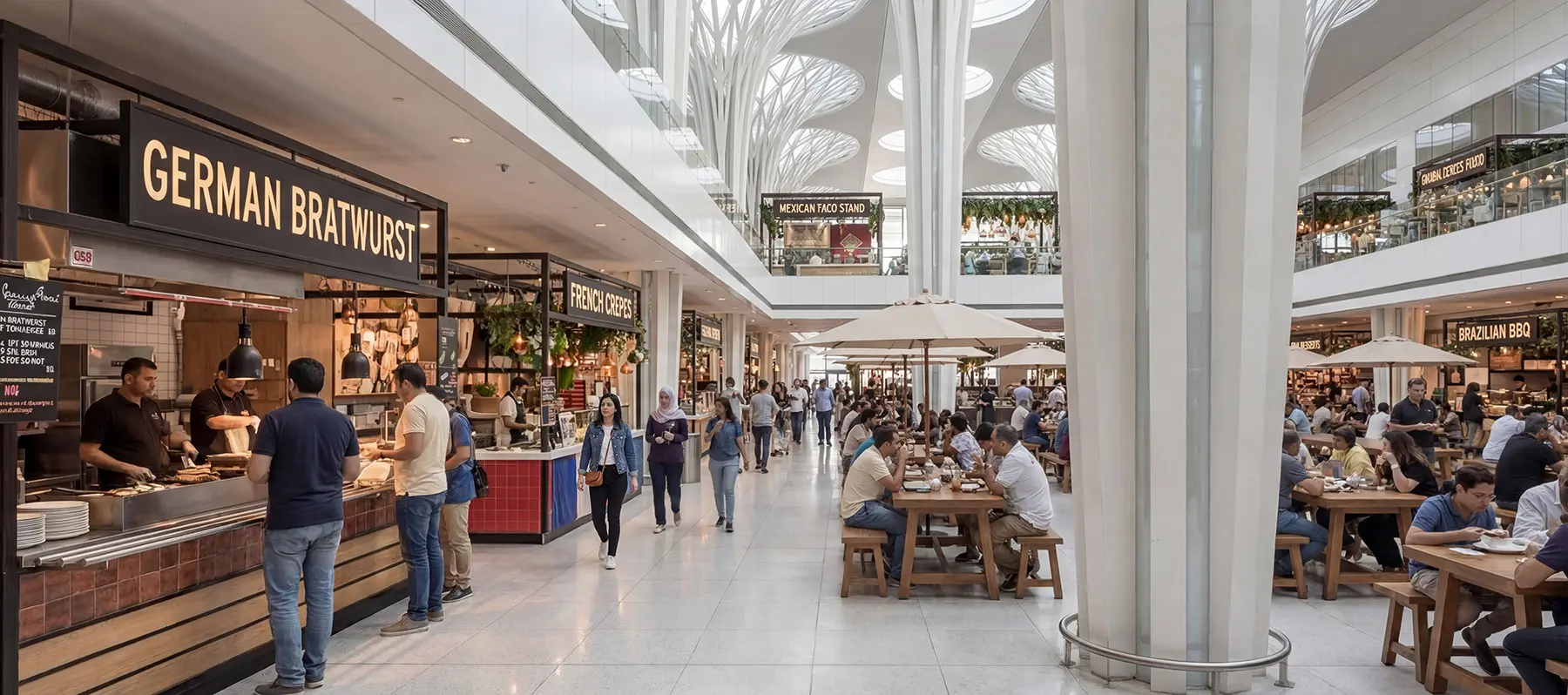
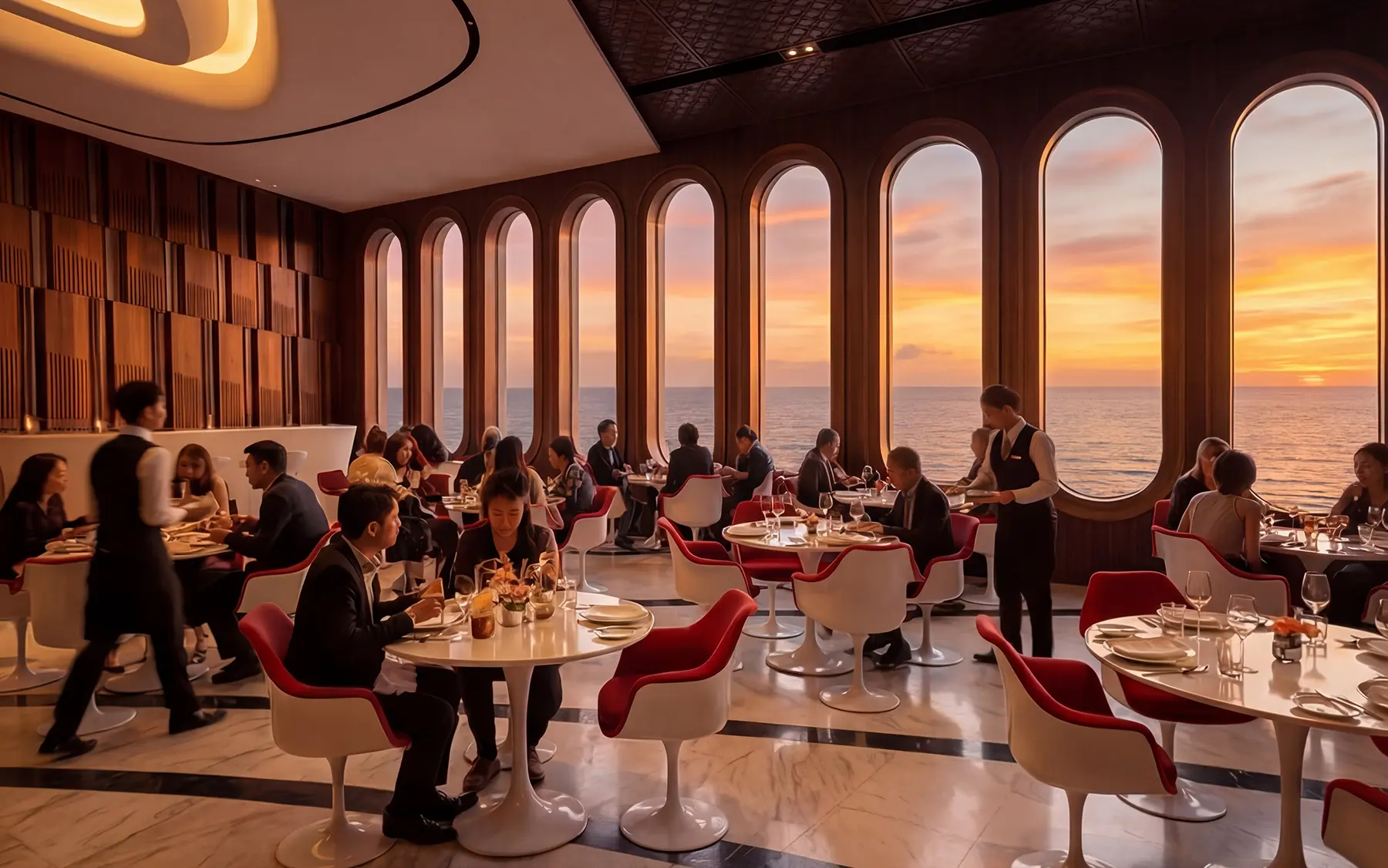
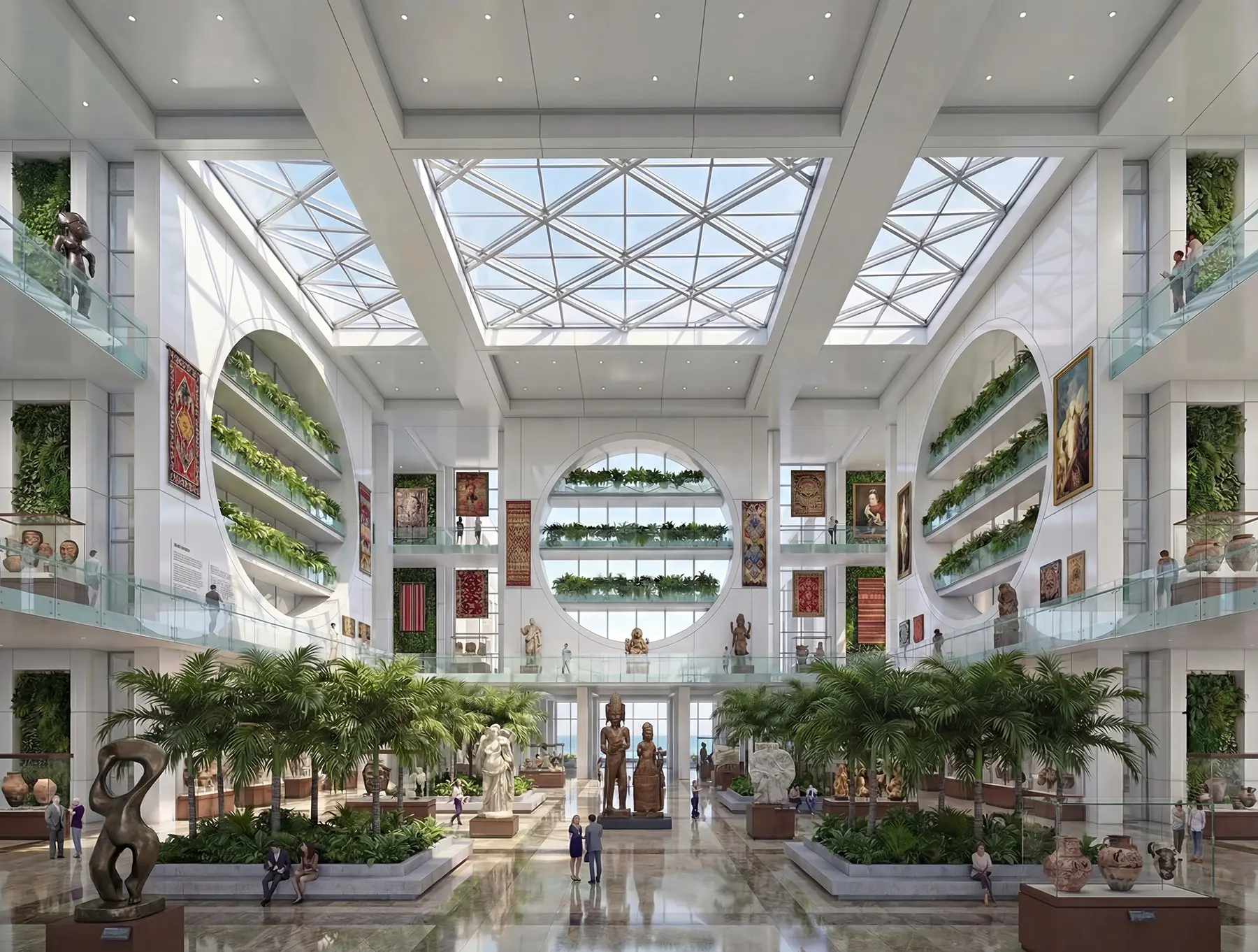
Cultural venues, dining, and social spaces are planned to serve residents first. Restaurants, cafés, performance spaces, and gathering places function as local destinations rather than attractions, encouraging familiar rhythms and repeated use rather than constant turnover.
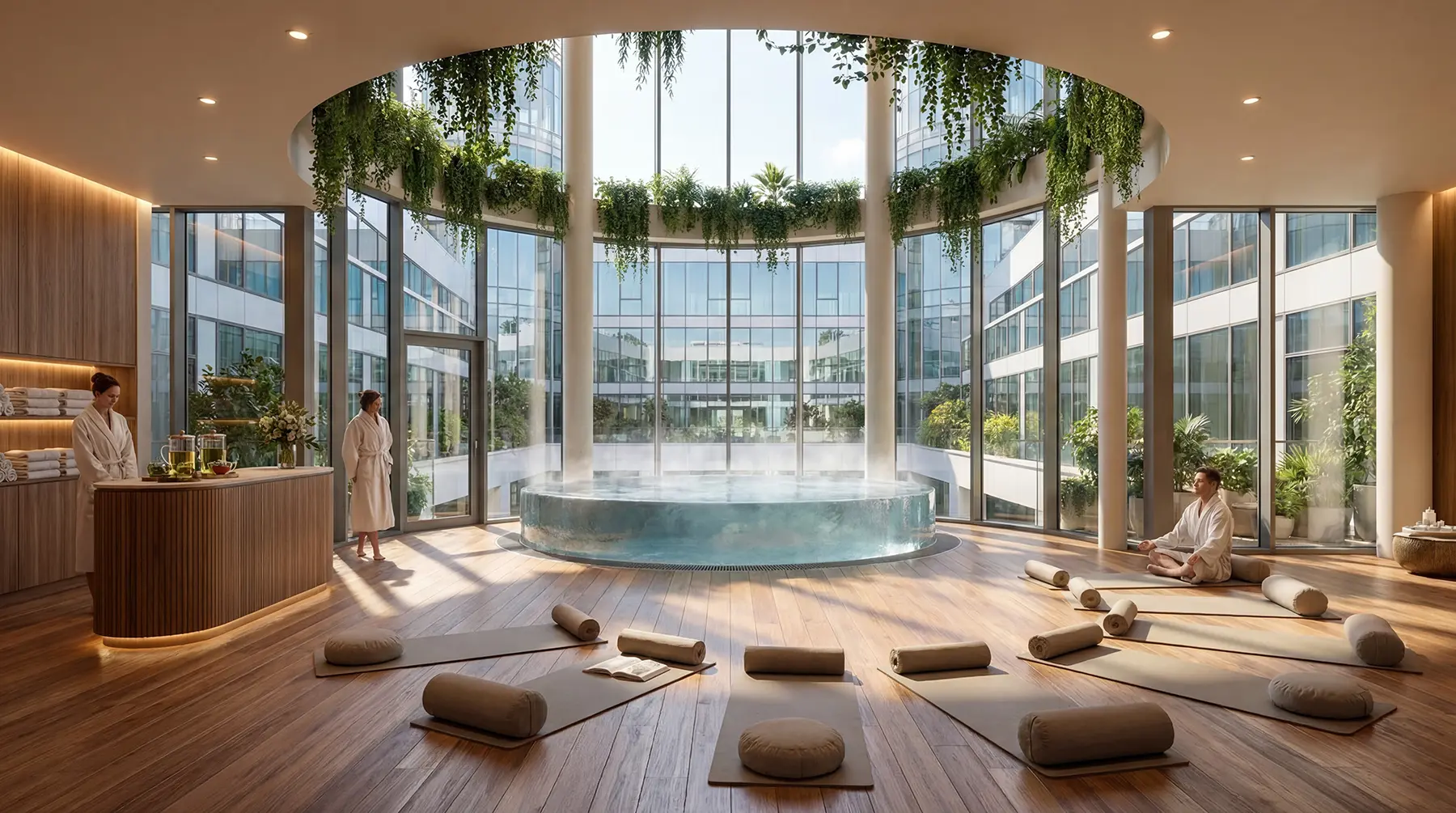
Leisure is closely tied to wellbeing. Opportunities for physical activity, quiet retreat, and social interaction are balanced to support both individual and collective life. Time away from work is not programmed or curated; it unfolds naturally within an environment that makes space for it.
As the city moves, leisure takes on an additional dimension without becoming the focus. Views shift, ports change, and surroundings evolve, but the places where people meet, relax, and spend time remain consistent. The experience is not one of constant stimulation, but of continuity within change.
Leisure aboard the Freedom Ship is not designed to feel exceptional. It is meant to feel familiar, accessible, and unremarkable in the best sense—an ordinary part of life within a city that happens to move.